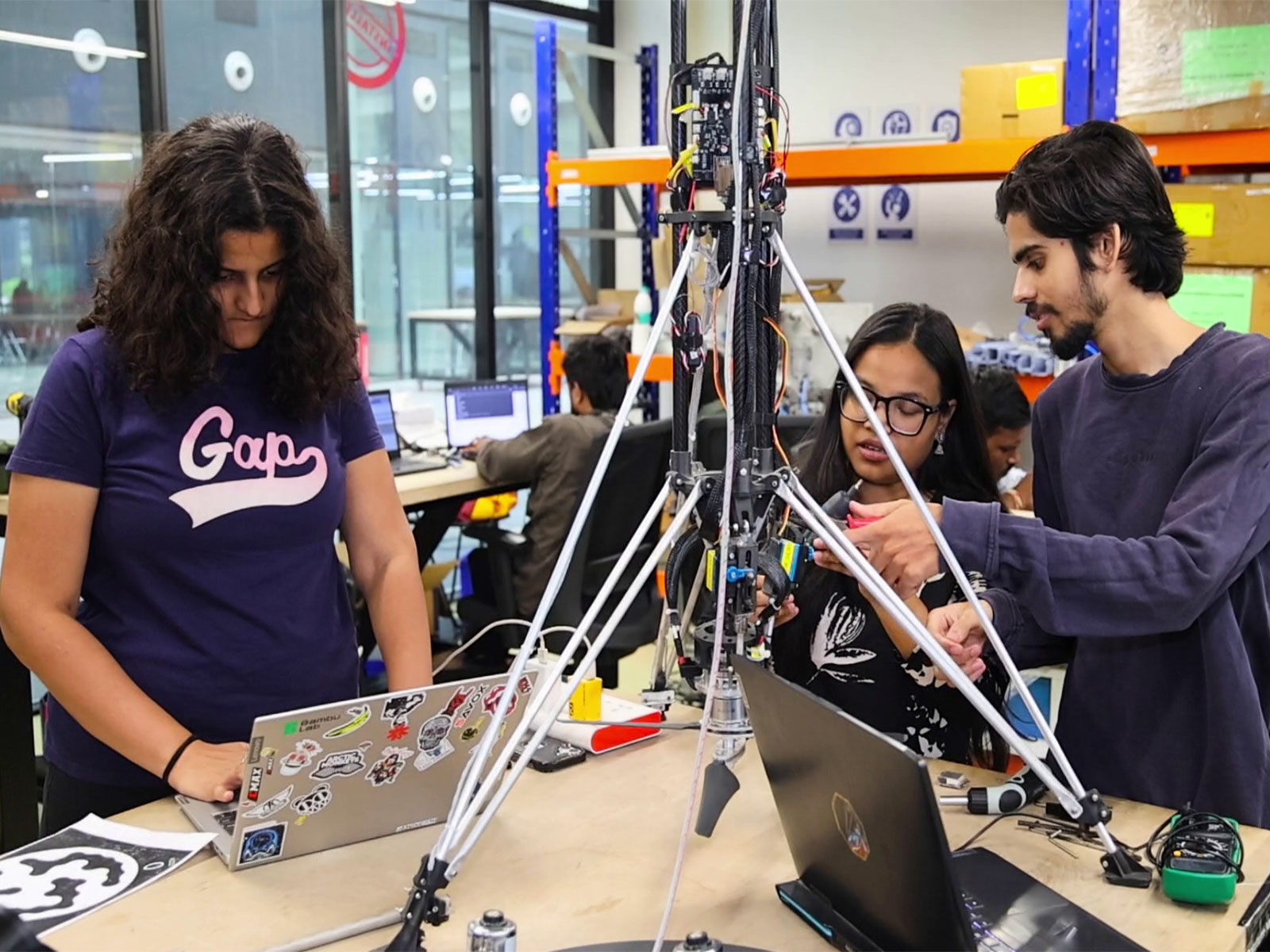
Greater Noida/Kolkata (Uttar Pradesh/West Bengal) [India], August 10 (ANI): India’s push for technological self-reliance is gaining momentum in the skies, with young deep-tech start-ups developing indigenous drone and radar systems for applications ranging from defence and logistics to agriculture and disaster management.
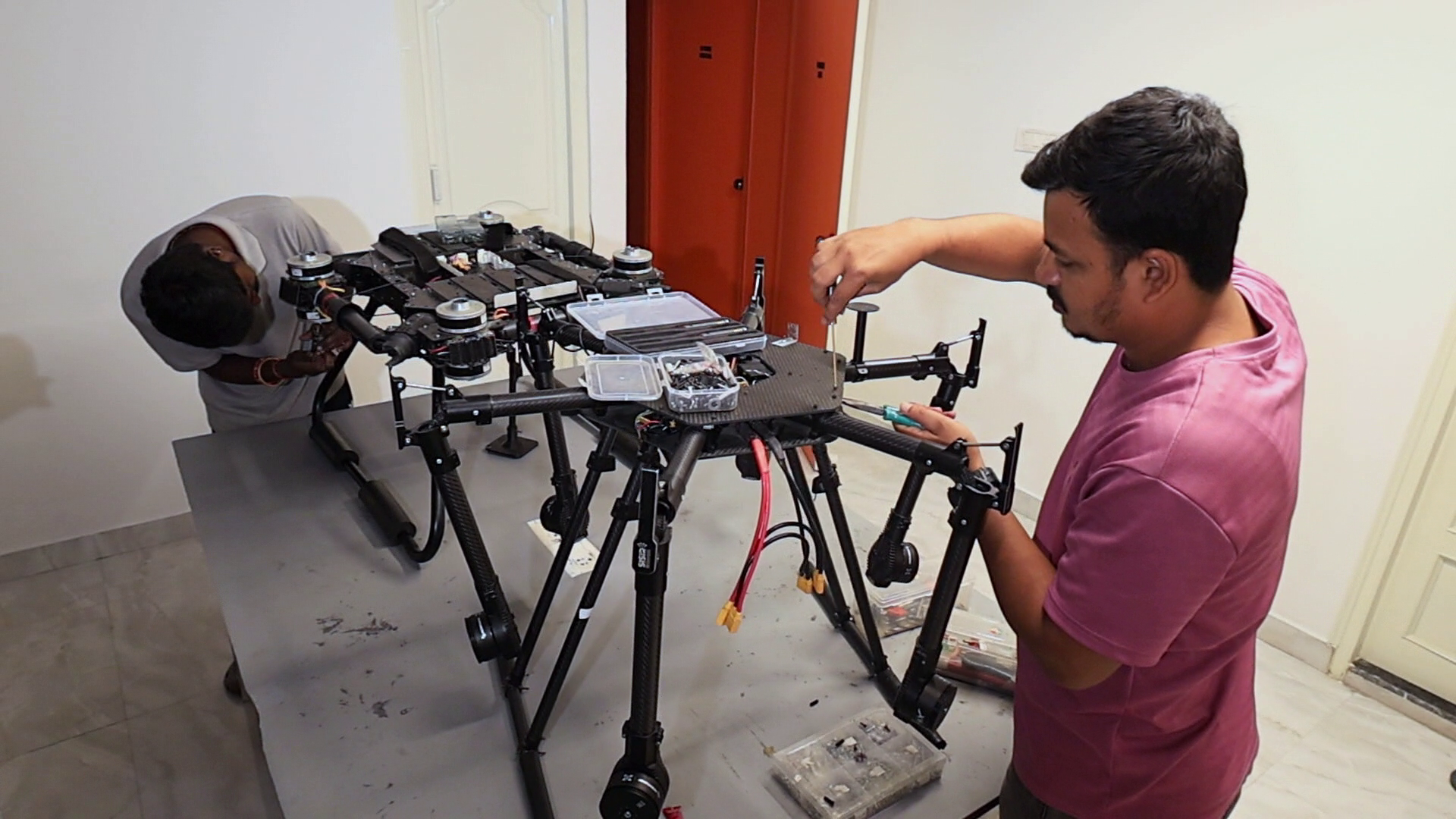
The emerging ecosystem reflects a broader shift in India’s technology landscape, where start-ups are increasingly developing critical hardware and software in-house rather than relying on imported systems.
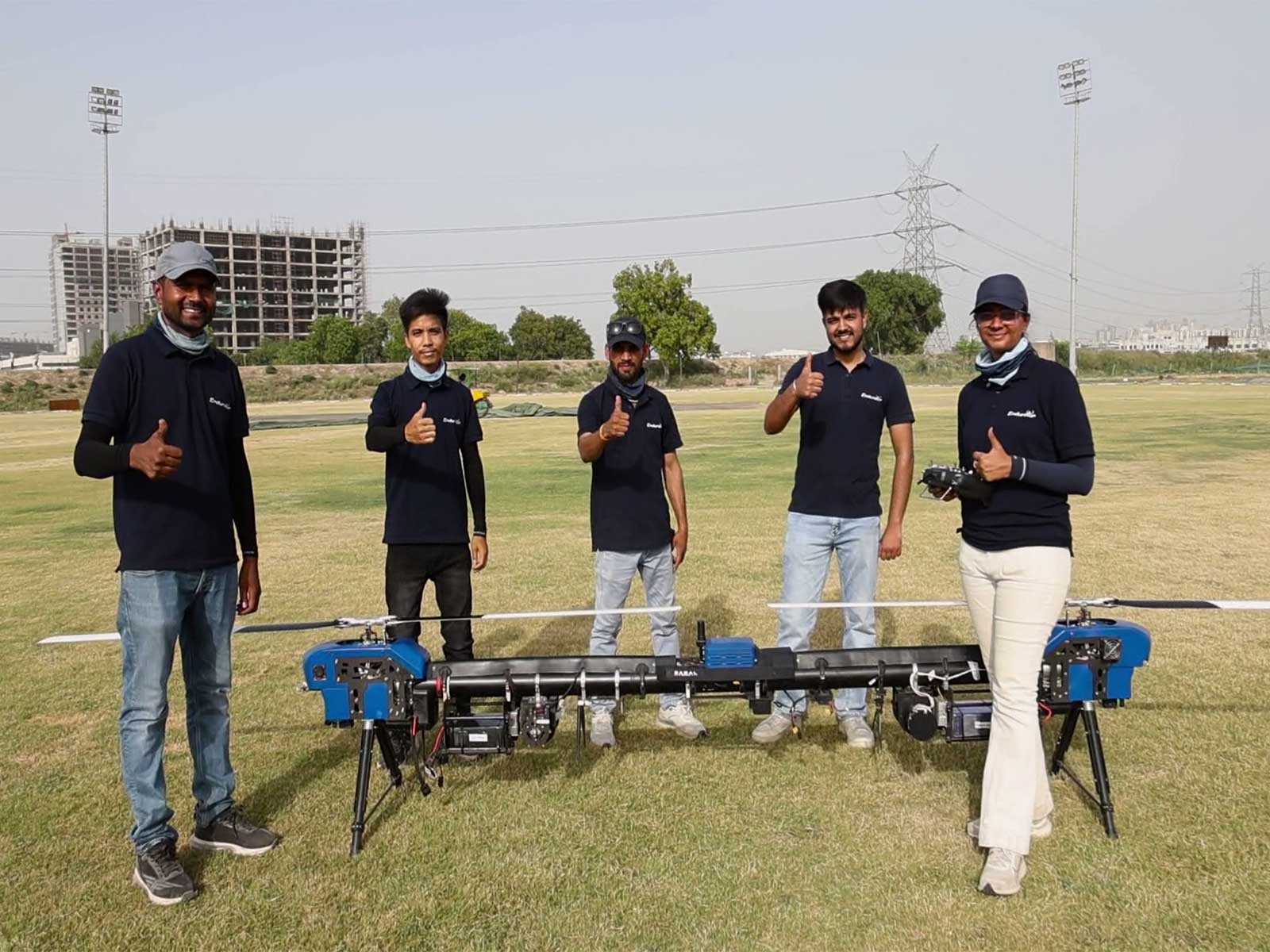
In Greater Noida, deep-tech start-up EndureAir is developing advanced drones and aerial robotics designed specifically for India’s diverse terrain and demanding operational conditions.
Rama Krishnan, CEO and co-founder of EndureAir, said India’s geography presents unique challenges that require technologies designed specifically for local conditions.
“India’s diverse geography and the requirements of our armed forces are extremely challenging. From the high-altitude regions of Jammu and Kashmir to the eastern sector, maritime borders and western deserts, drones must operate across difficult terrains.”
According to Krishnan, technologies developed for other countries may not always address India’s operational requirements. EndureAir is therefore developing both hardware and software in-house.
One of its key platforms, SABAL-20, is a tactical logistics drone designed for difficult terrain and aerial delivery missions. It can carry a payload of around 20 kg, fly for nearly 40 minutes and has an operational range of about 10 km.
The company’s helicopter-inspired variable-pitch technology is designed to provide greater stability and lift, particularly in challenging conditions.
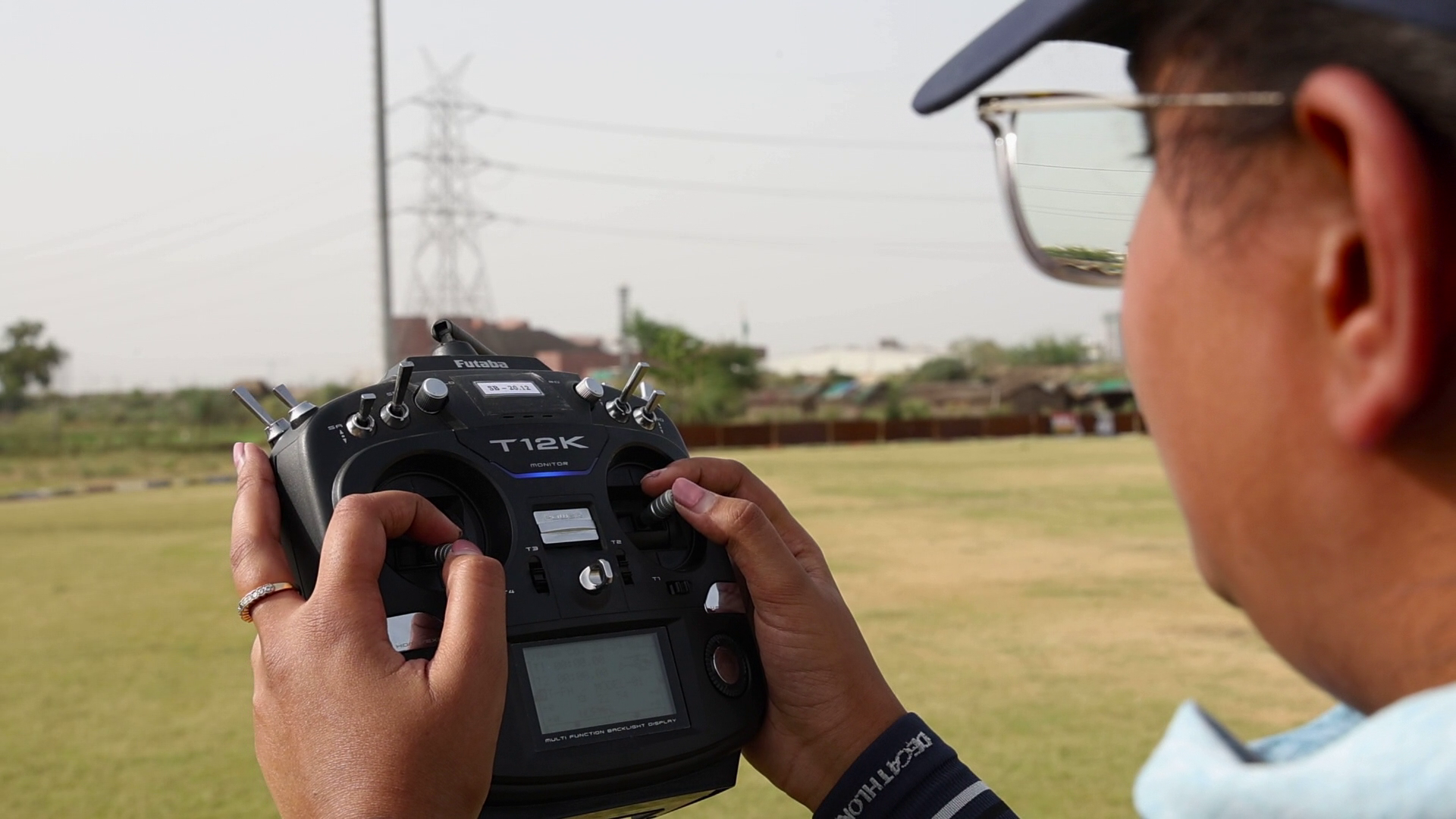
Drone pilot Ishika explains: “The larger blades generate greater airflow and lift, helping the drone perform better than smaller multi-rotor systems, particularly at high speeds.”
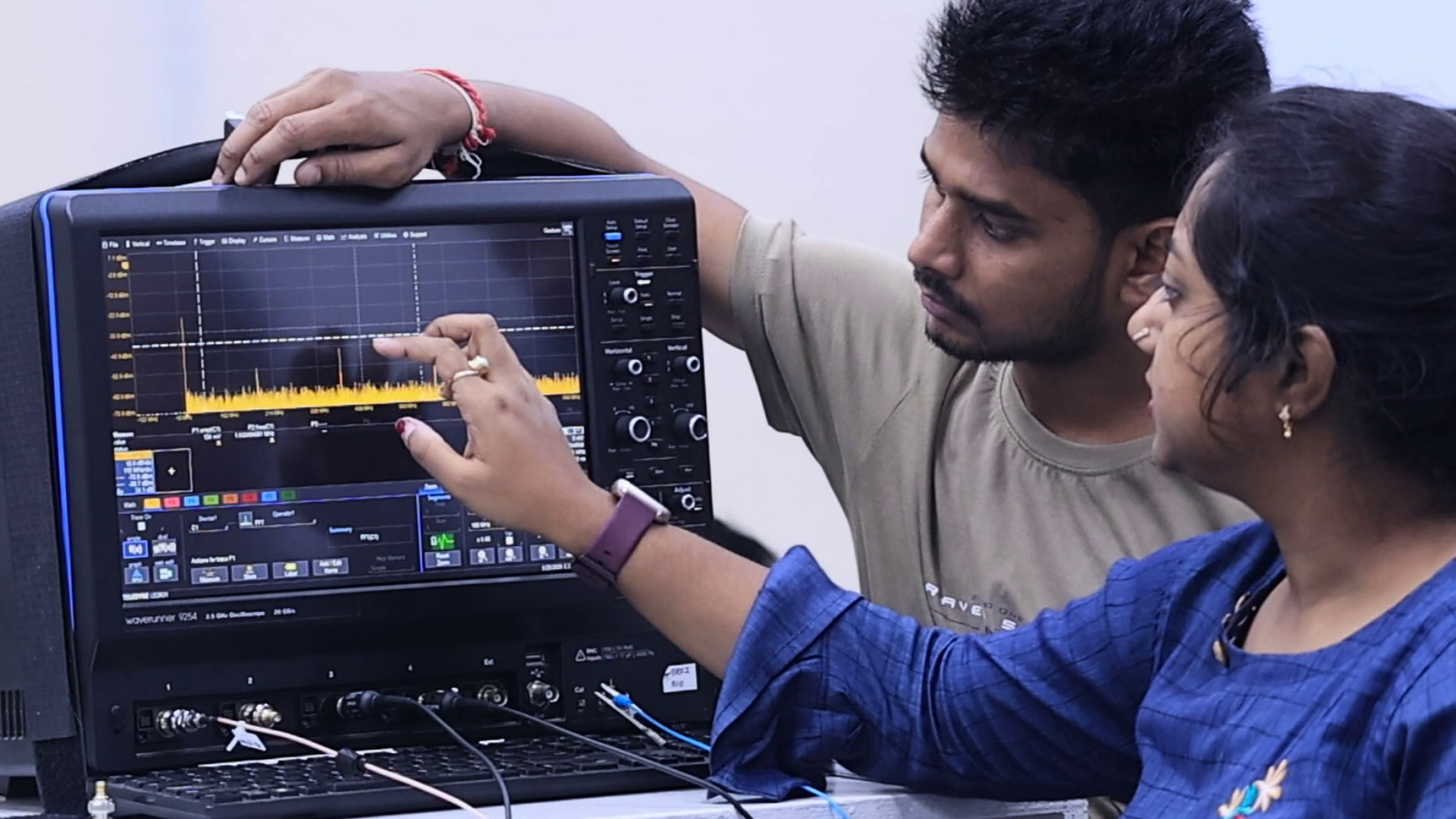
As drones become more capable, advanced sensing technologies are equally critical. In Kolkata, deep-tech and space-tech start-up SisIR Radar, founded by former ISRO scientist Tapan Misra, is developing Synthetic Aperture Radar (SAR) technology for use in drones, aircraft and satellites.
Unlike conventional optical imaging, SAR can capture images through clouds, fog, smoke and darkness, making it relevant for defence, agriculture and disaster management.
Misra said the company is developing low-frequency SAR systems for drones and high-resolution radar systems for satellites.
“Our L-band satellite radar is designed to deliver around two-metre resolution, compared with the global benchmark of about 10 metres.”
The company is also developing reusable and reconfigurable radar hardware that can be adapted for different missions through software.
Scientist Mehali Pahadi said the approach allows a single hardware platform to serve multiple applications.
“The same hardware can be programmed for different functions, making it reusable, adaptable and easier to deploy for new missions.”
SisIR Radar has also developed ‘Trinetra’, a software platform aimed at simplifying the use and interpretation of radar data, particularly for defence applications.
Abhishek Roy Chowdhury, Vice President at SisIR, said the company’s core products include L-band and P-band SAR systems, with the technology capable of delivering sub-metre-resolution data.
“Our SAR systems can provide sub-metre resolution, offering significantly finer detail than the roughly 10-metre resolution available from Sentinel’s free data.”
From tactical drones designed to deliver supplies in inaccessible terrain to radar systems capable of seeing through clouds and darkness, India’s young innovators are increasingly building technologies around the country’s specific operational needs.
The growing capabilities of companies such as EndureAir and SisIR Radar underline a larger trend in India’s deep-tech ecosystem–the shift from importing advanced technologies to designing and building critical systems domestically. (ANI)
Related reading