Hyderabad (Telangana) [India], August 10 (ANI): India’s space sector is no longer driven by government institutions alone. Alongside the achievements of the Indian Space Research Organisation (ISRO), a new generation of Indian start-ups is developing technologies aimed at making space missions more affordable while tackling one of the biggest emerging challenges in orbit–space debris.
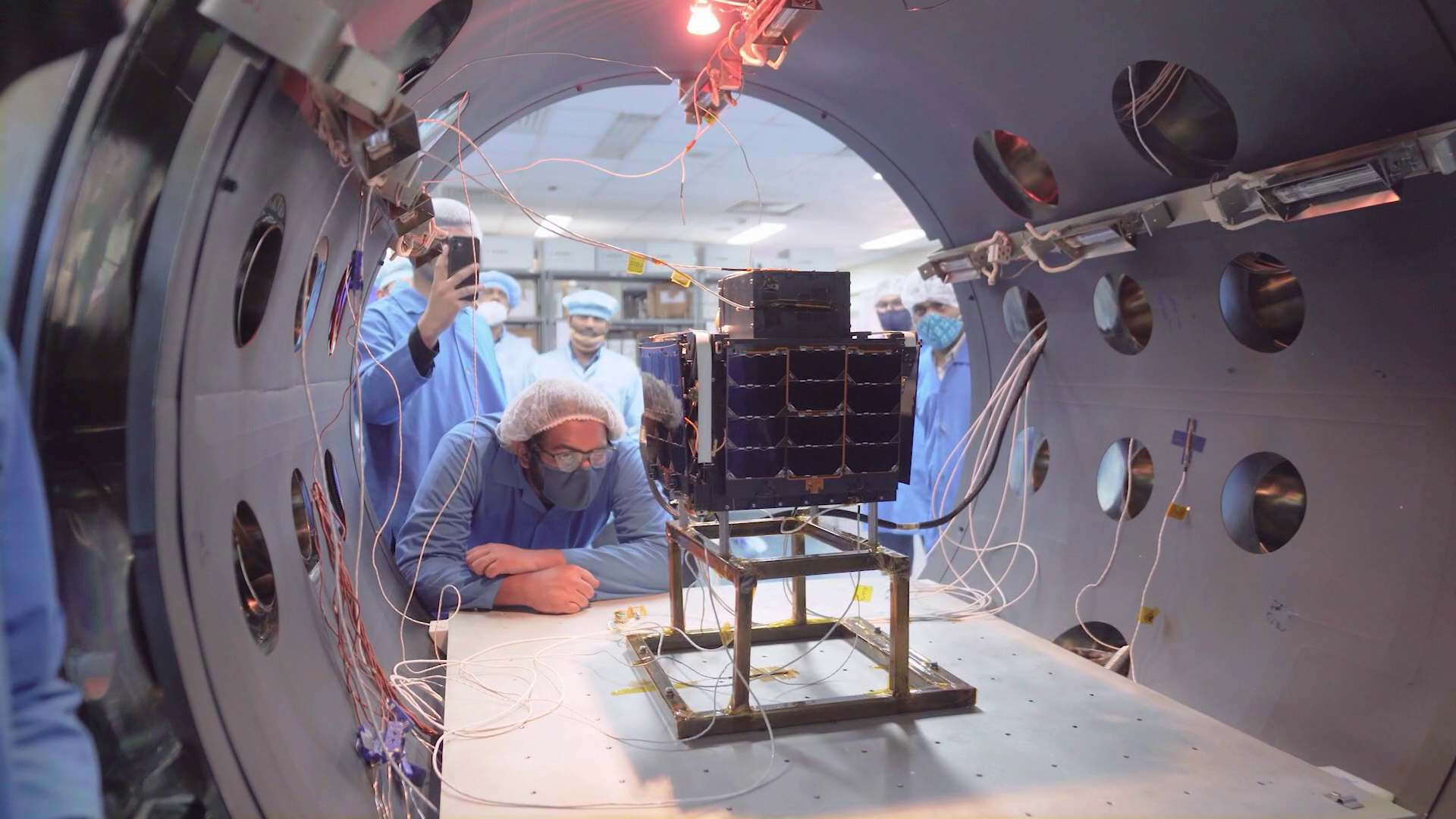
At the heart of this growing ecosystem is T-Works in Hyderabad, an innovation and prototyping hub where young engineers and start-ups are developing and testing next-generation space technologies.
Equipped with advanced machinery, prototyping facilities and testing labs, T-Works is helping innovators turn ideas into working technologies, with support from the state government.
Sahaj, Head of the Startup Vertical at T-Works, says the ecosystem is helping young companies move from prototypes to market-ready products.
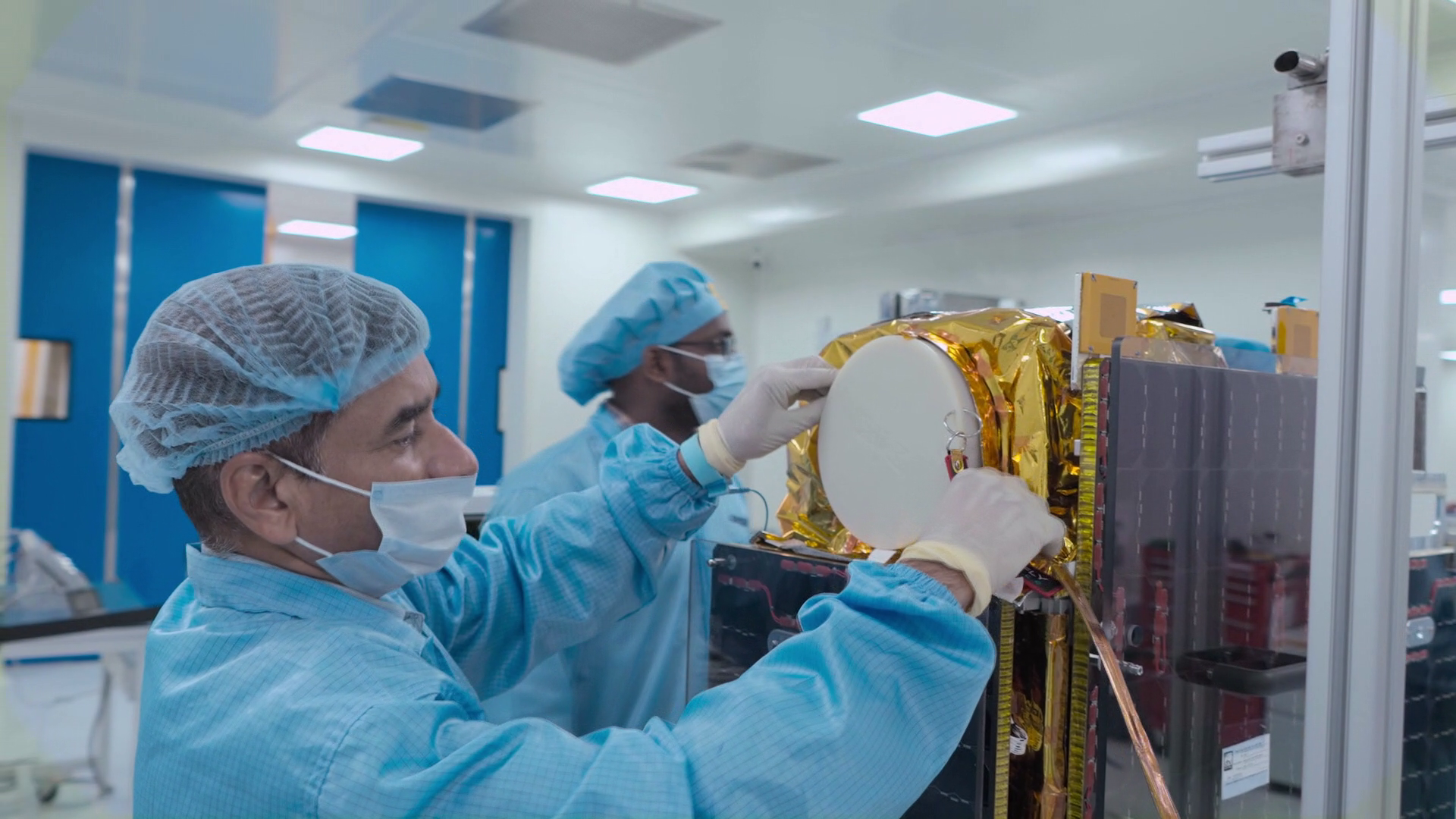
“These start-ups are building new products, testing them and receiving a good response. Some are also getting support from the state government, including access to government facilities that allow them to test their technologies without additional costs,” Sahaj said.
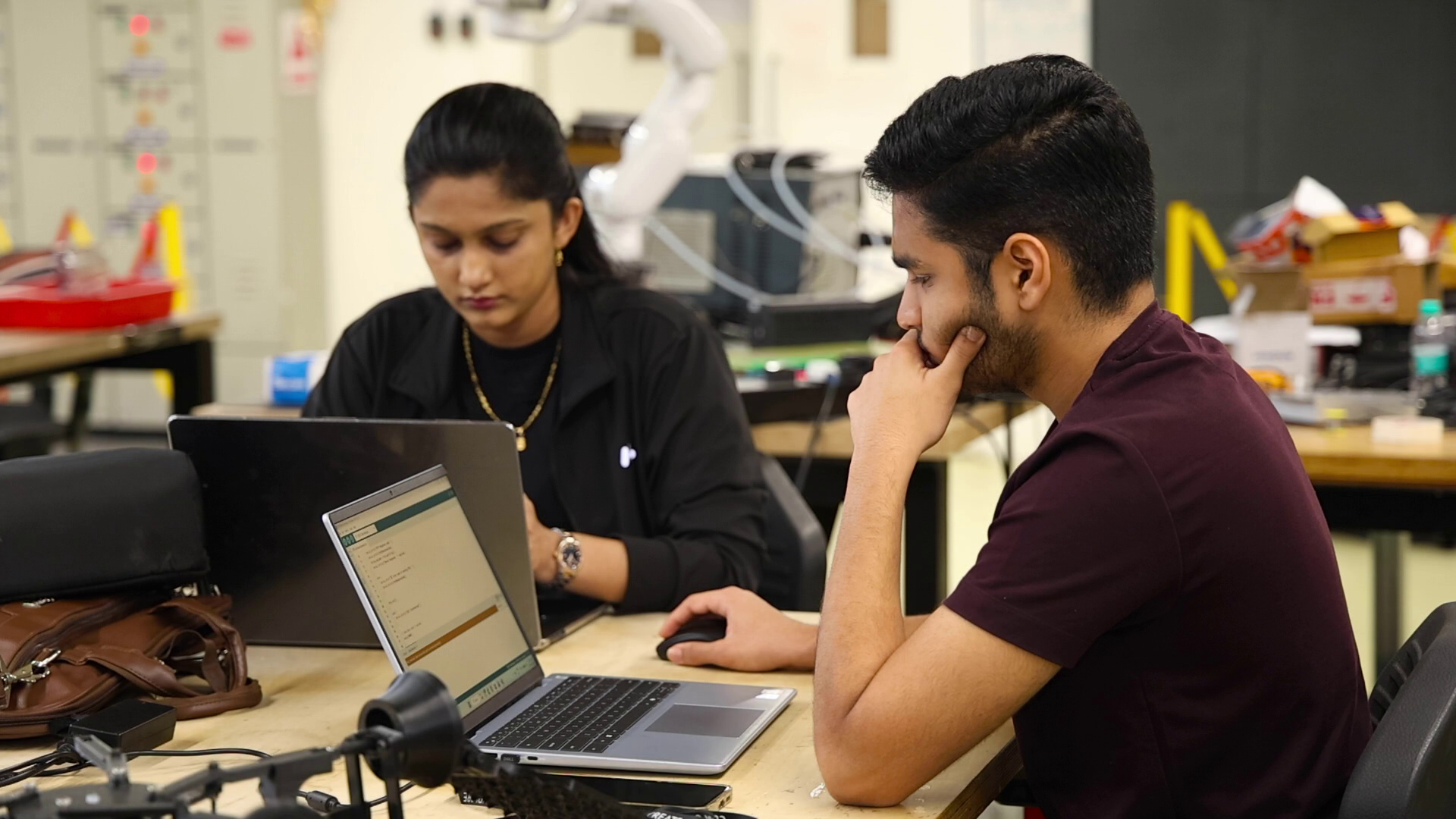
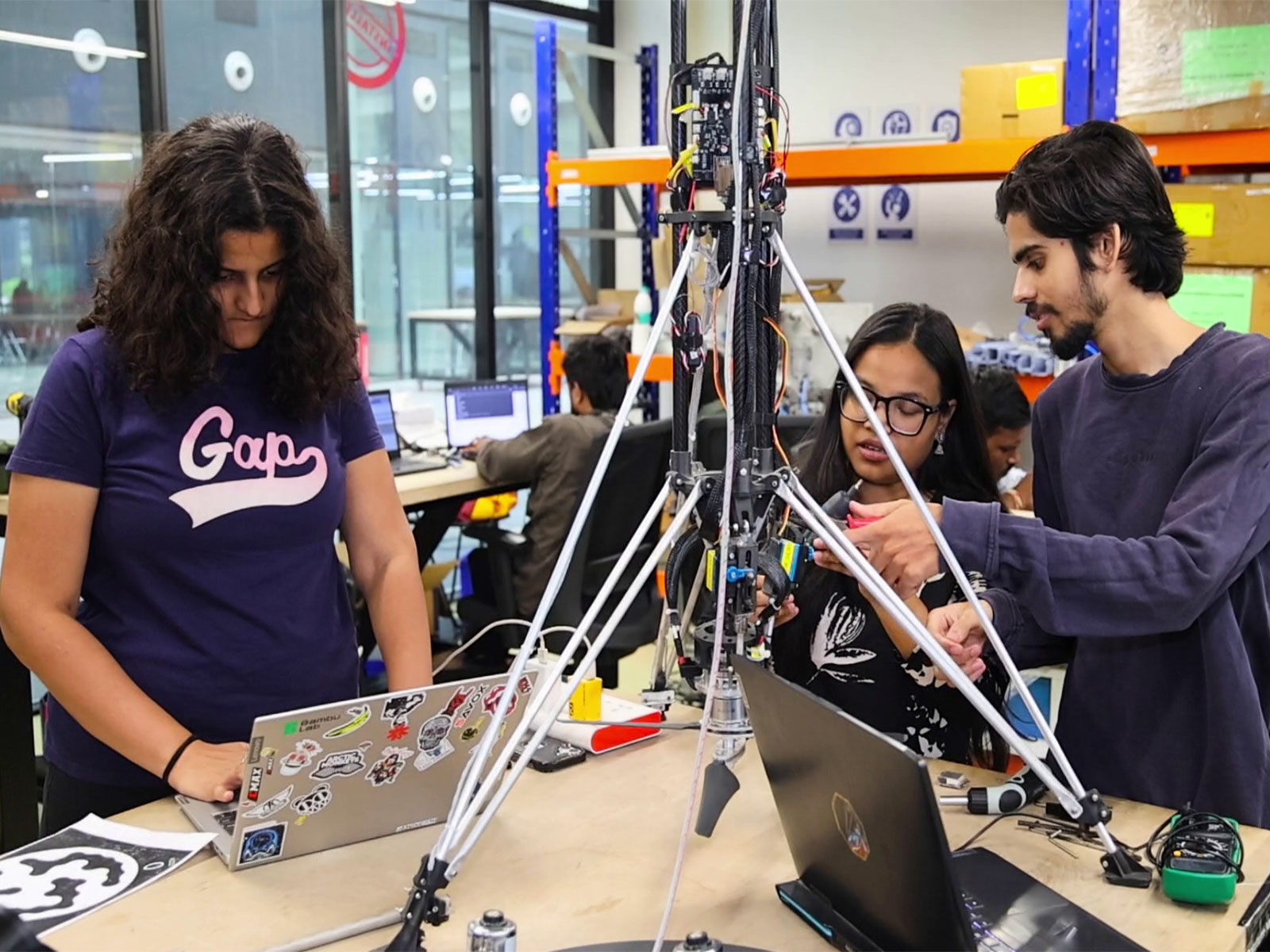
Among the young teams working in this ecosystem is Spantrik, which is developing a reusable launch system aimed at making satellite launches more cost-effective.
The team is working to develop critical technologies–including rocket engines, flight computers, avionics and guidance systems–in-house.
Spantrik co-founder Hitendra Singh says the idea emerged from the need to build greater technological self-reliance in India’s space sector.
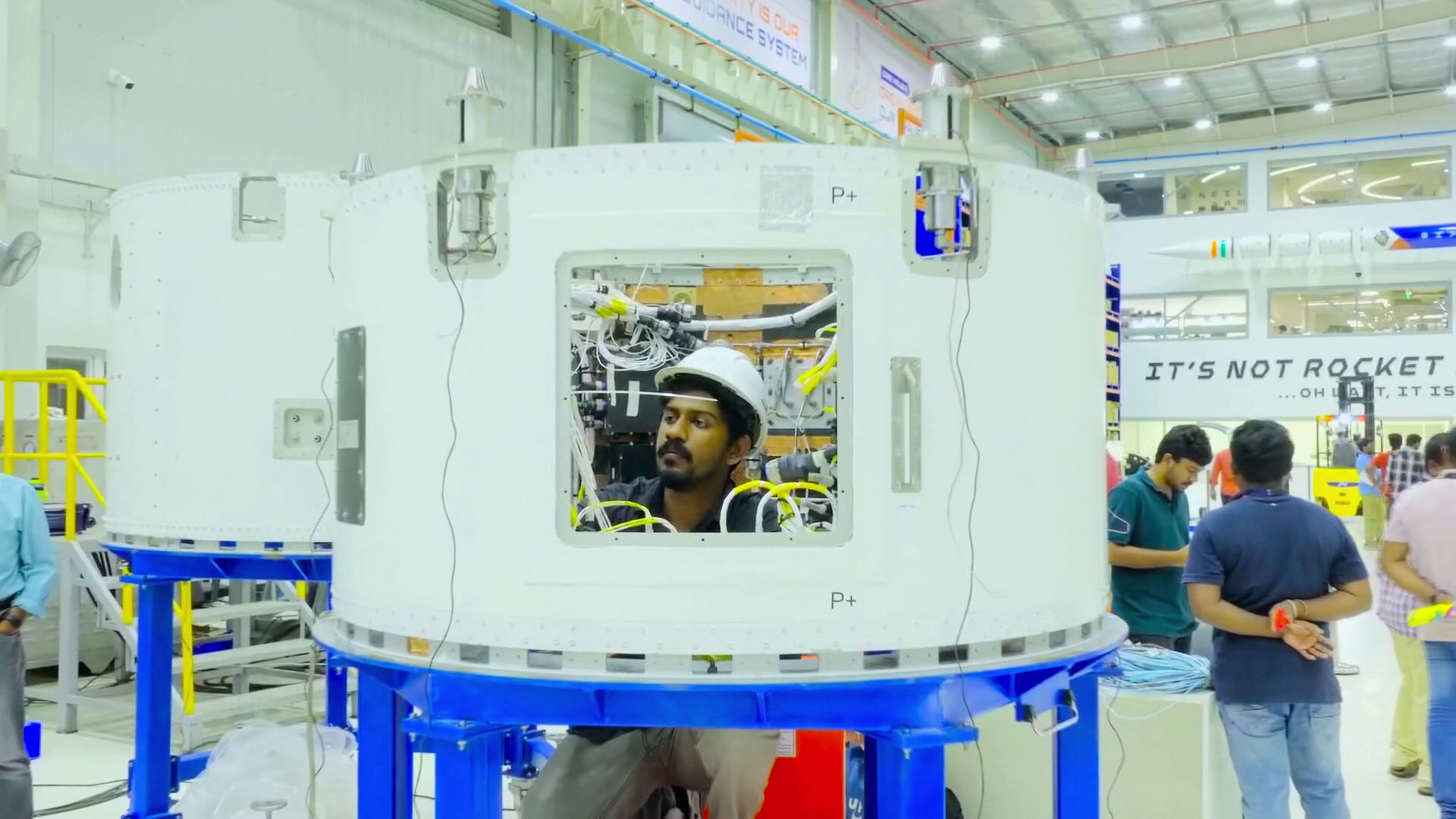
“When we interacted with different people and organisations in the sector, we realised that most rocket components were being sourced from outside. So, we decided to take a different approach and develop everything ourselves, from raw materials to the final product. That led us to develop critical technologies such as rocket engines, flight computers, avionics and guidance systems in-house,” said Hitendra.
As India expands its presence in space, another challenge is becoming increasingly difficult to ignore–space debris.
Inactive satellites, fragments from spacecraft and rocket remnants are creating a growing traffic problem in orbit, posing risks to operational satellites and future missions.
Sejal, an avionics engineer at Cosmoserve, explains why even a small piece of debris can be dangerous. She said, “Inactive satellites, broken fragments and rocket remnants are creating traffic in space. Removing them is important because even an object as small as a bullet can hit a satellite and damage it completely.”
To address this challenge, Cosmoserve is developing an autonomous satellite system designed to track space debris and capture it using a robotic arm–without requiring continuous human intervention.
Shomu, Head of the Robotics Team at Cosmoserve, says the robotic arm is being designed to adjust its grip according to the object it encounters.
“We are developing a flexible robotic arm that can gently capture an object, almost like giving it a soft hug. Even if there is a slight error while gripping, it should not damage the object. At the same time, when greater force is required, the arm can grip it firmly and move it safely,” said Shomu.
From developing reusable launch systems to finding ways to clean up Earth’s orbit, India’s young engineers are now working on some of the most critical challenges facing the future of space exploration.
The emerging start-up ecosystem reflects a broader shift in India’s space ambitions–where Make in India is no longer limited to technologies on the ground, but is increasingly reaching for solutions beyond Earth. (ANI)
Related reading