New Delhi [India] June 2 (ANI): India’s growth story over the past 12 years under the leadership of Prime Minister Narendra Modi has not only focused on infrastructure and economic expansion, but also on empowering the country’s youth, women and underprivileged communities.
From startups and innovation to skill development and women-led entrepreneurship, the government’s initiatives have aimed at creating opportunities at the grassroots level and making development more inclusive.
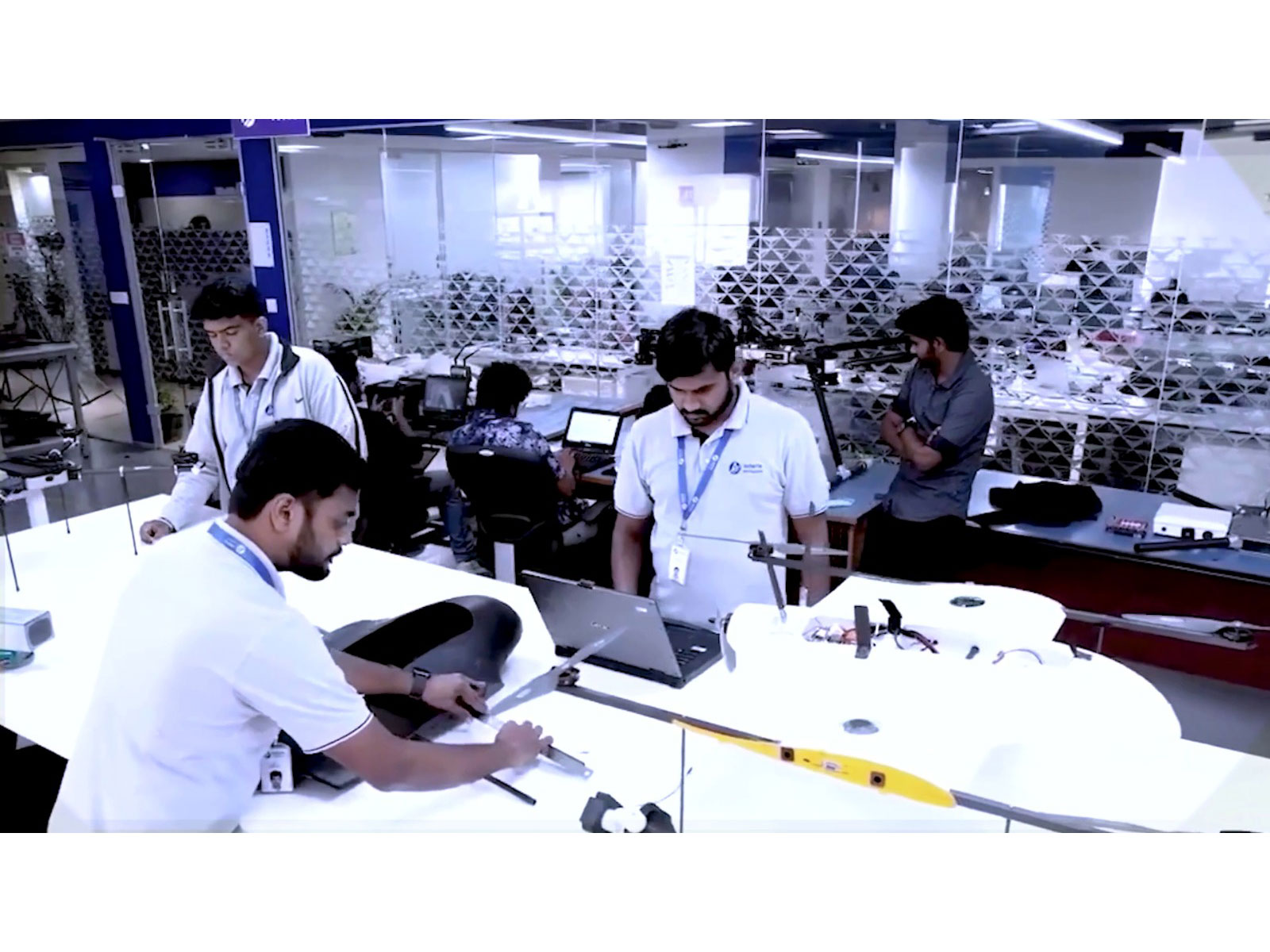
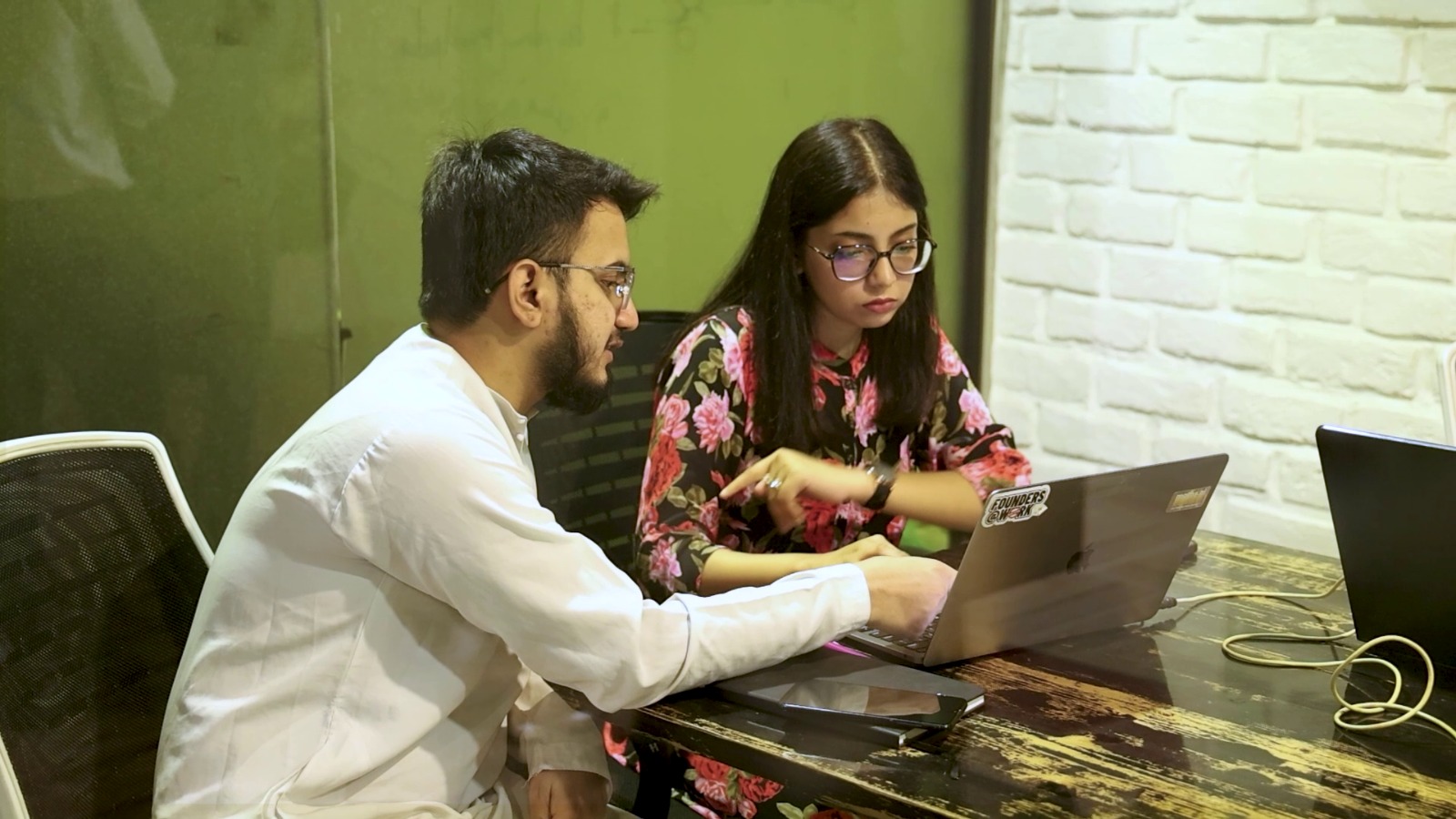
One of the biggest drivers of this transformation has been India’s youth. Today, young Indians are no longer seen only as job seekers but increasingly as job creators, shaping the country’s innovation ecosystem.
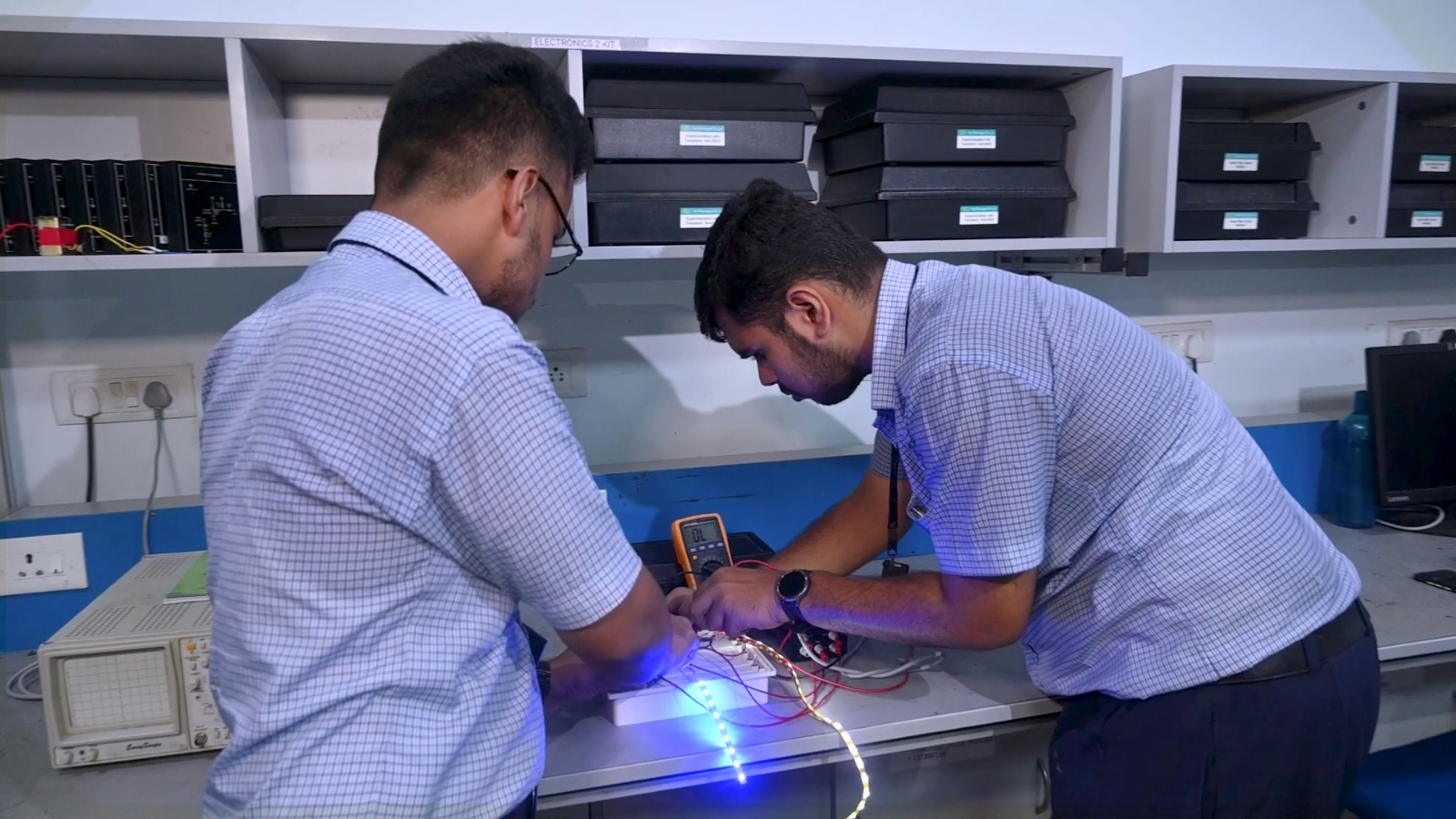
Under the Pradhan Mantri Kaushal Vikas Yojana (PMKVY), more than 1.4 crore youth have received training in emerging technologies such as Artificial Intelligence, coding, robotics and other modern skills.
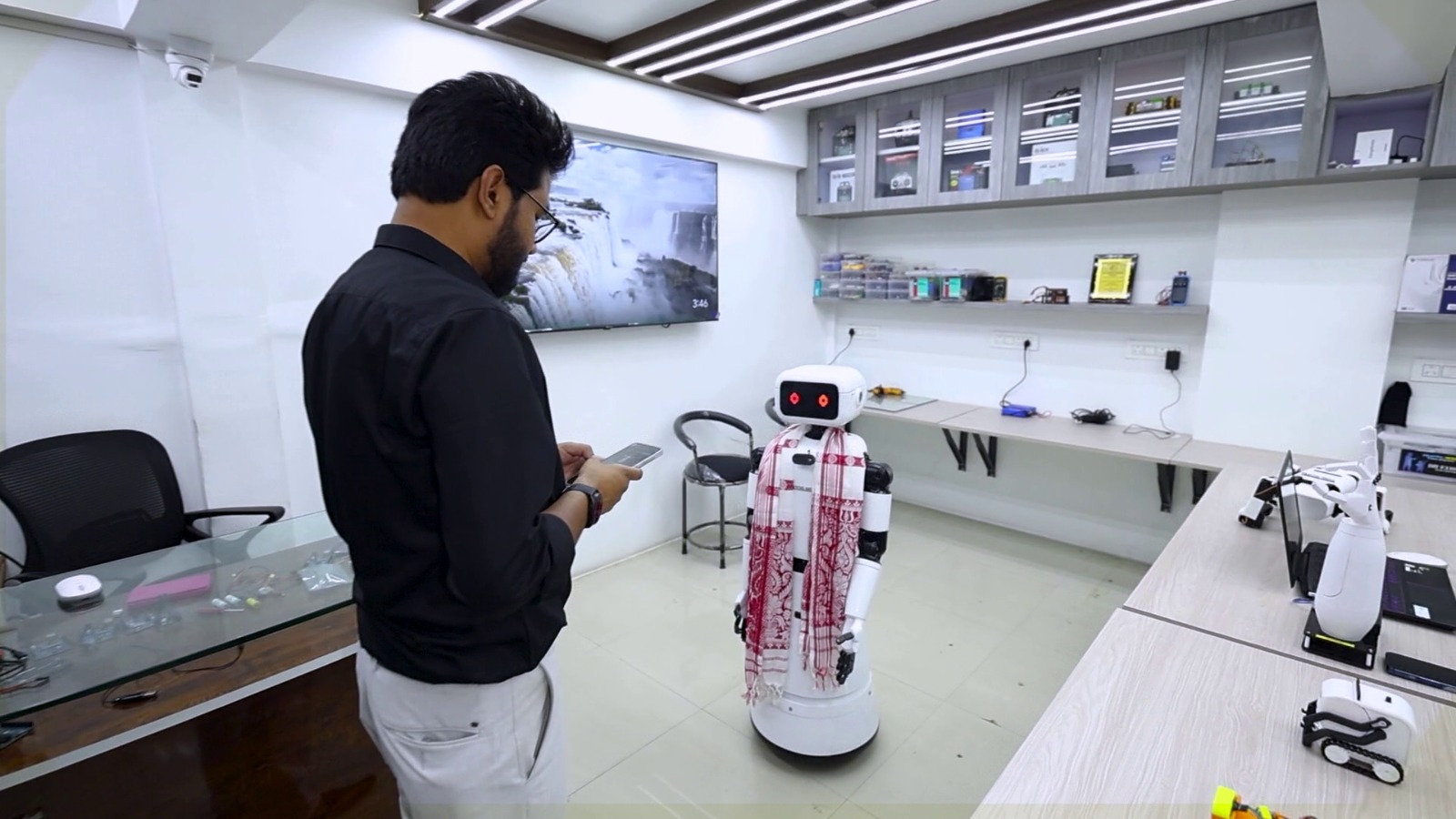
At the same time, the Startup India initiative has transformed India into the world’s third-largest startup ecosystem. While the country had only around 500 recognised startups in 2016, that number has now crossed 2 lakh, reflecting the rapid rise of entrepreneurship across both metros and smaller towns.
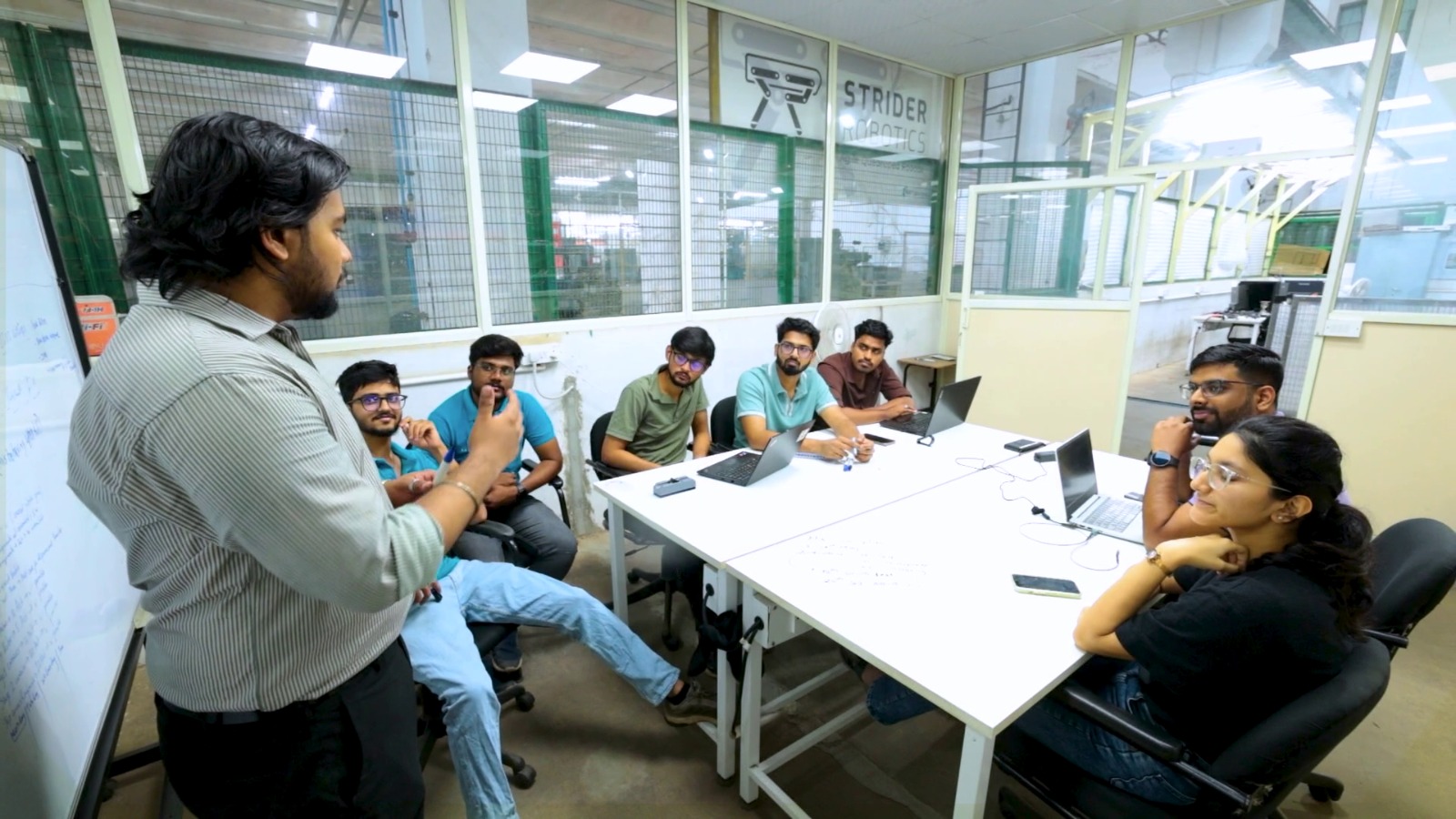
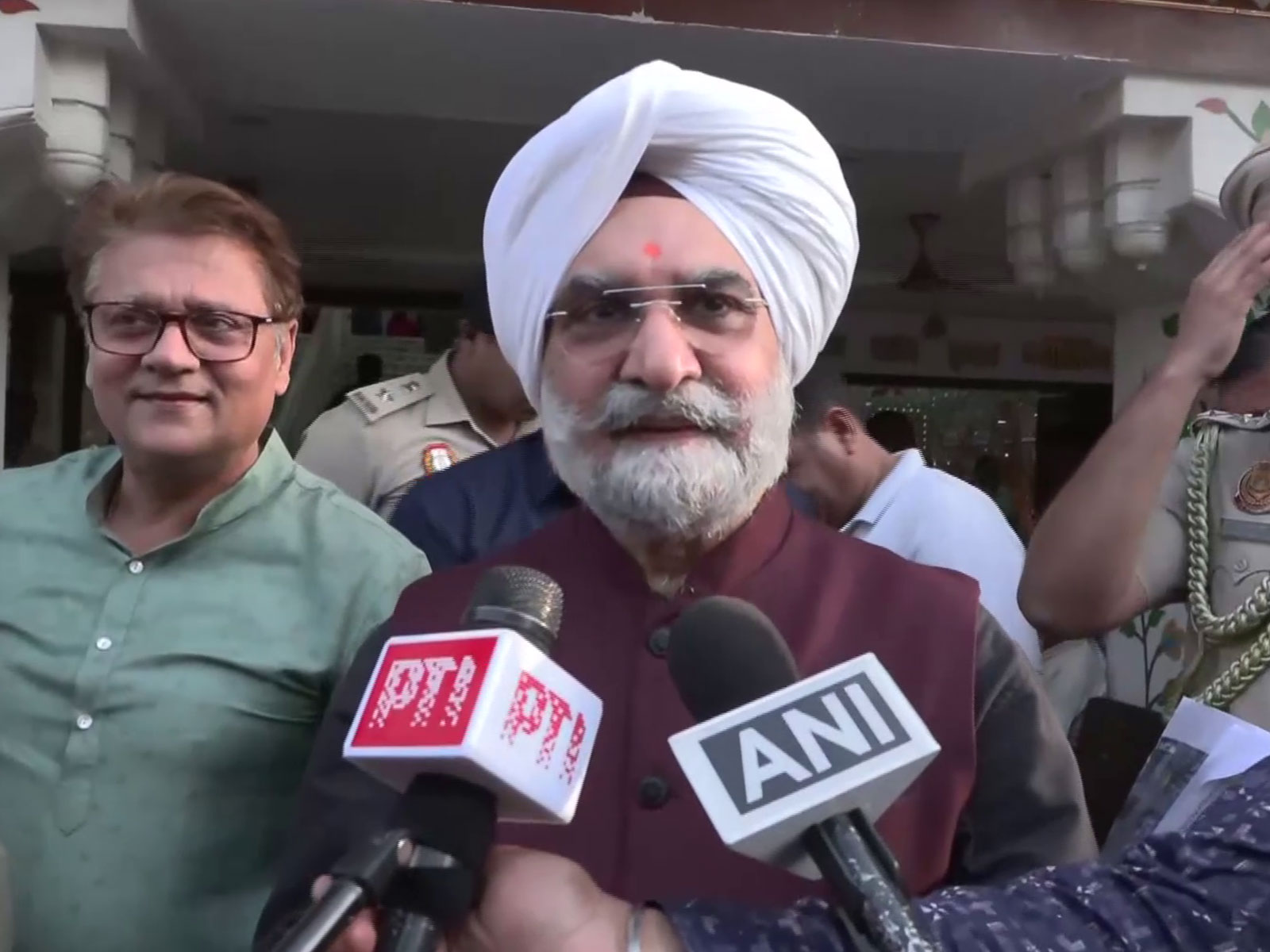
Entrepreneur Bharat Sethi believes the startup ecosystem received a major push due to policy support and changing opportunities in India.
“I think the rapid growth of startups in India has been strongly supported by the Startup India mission. As a young entrepreneur, I had opportunities to build companies abroad, but I chose to stay and build my business in India,” he said.
Women’s empowerment has also emerged as a major pillar of India’s development journey. More than 10 crore women are now associated with Self-Help Groups (SHGs), enabling them to participate in small businesses and self-employment activities.
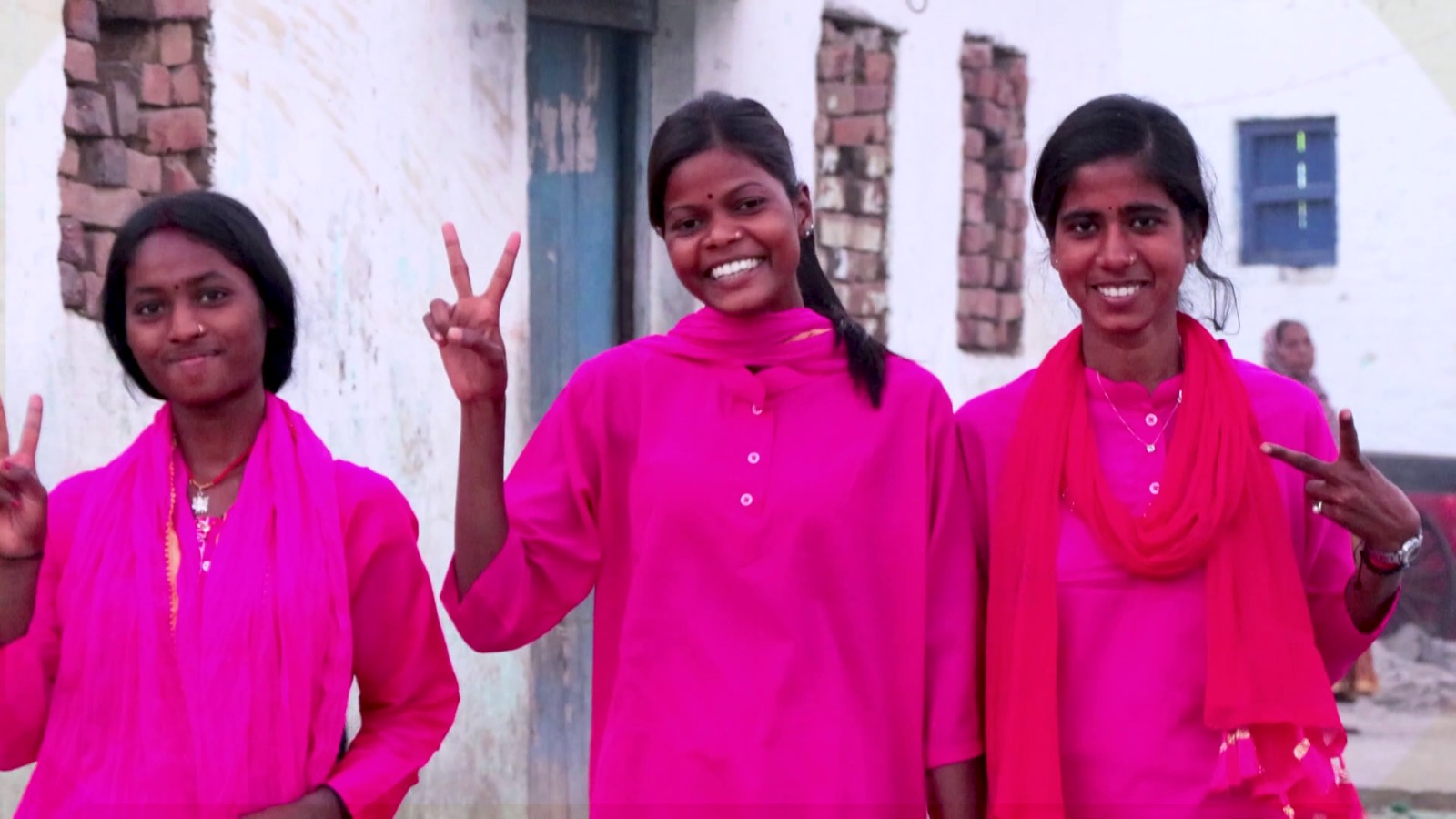
Government initiatives such as the ‘Lakhpati Didi’ programme have further accelerated women’s financial independence, with over 3 crore women already crossing the annual income benchmark associated with the scheme. The government aims to expand this number to 6 crore women in the coming years.
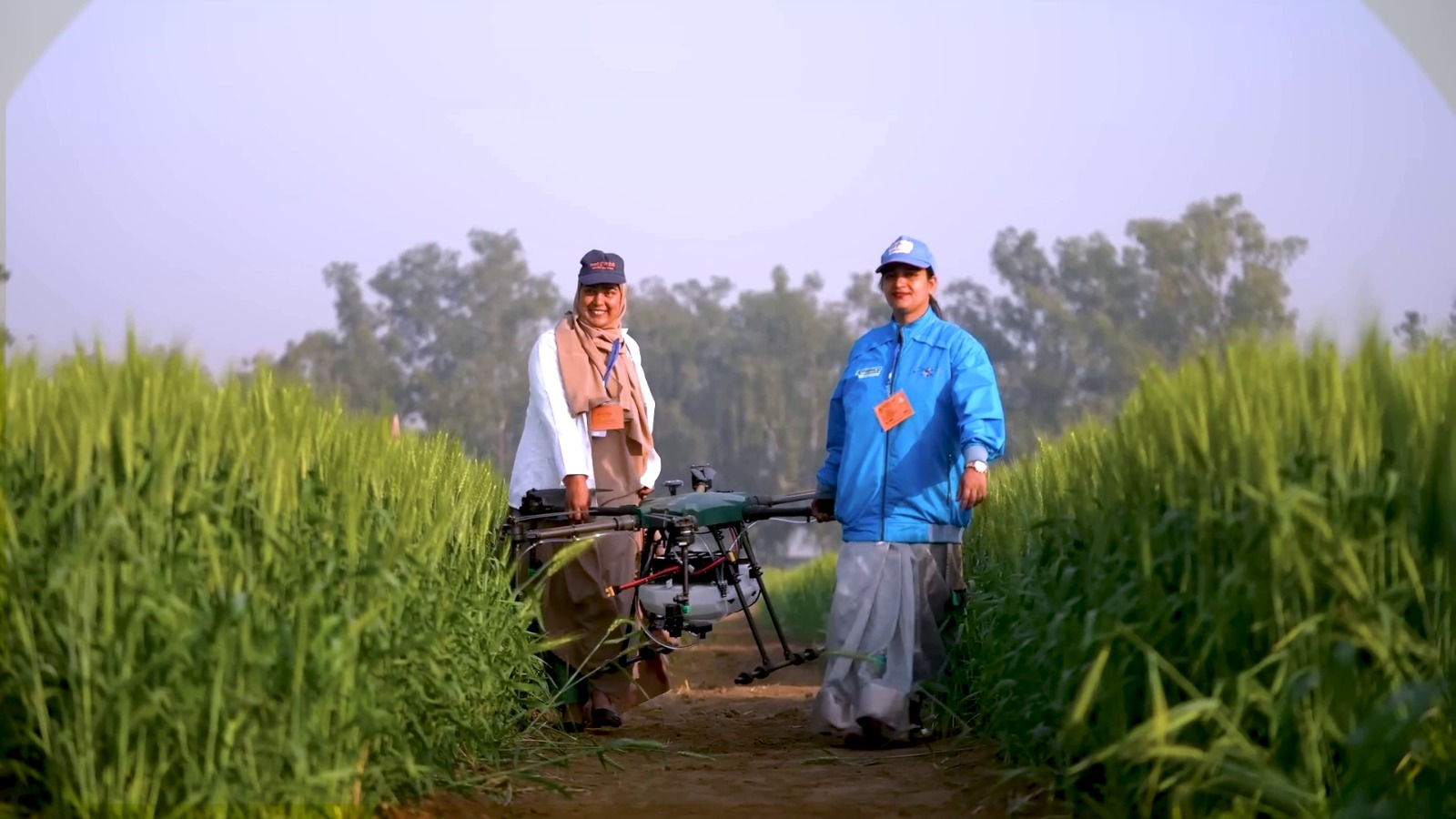
Technology-driven initiatives are also helping rural women break new ground. Under the ‘Namo Drone Didi’ scheme, women in villages are being trained to operate agricultural drones for crop spraying and monitoring, creating new livelihood opportunities while modernising farming practices.
The government’s focus on empowerment has also reached remote tribal and underprivileged regions.
Under the Stand-Up India scheme, loans worth over Rs 62,000 crore have been sanctioned to more than 2 lakh SC, ST and women entrepreneurs, supporting grassroots businesses and self-employment.
In the education sector, Eklavya Model Residential Schools are helping improve access to modern education in tribal areas. More than 499 such schools are operational across the country, providing free residential and digital education to over 1.5 lakh tribal students.
Basic infrastructure and welfare services, including roads, housing, electricity, water supply and educational facilities, are also reaching remote villages and tribal regions at an unprecedented pace.
From startups and skill development to women-led entrepreneurship and tribal welfare, the changing picture reflects an India where development is increasingly being measured not only through economic indicators, but through the empowerment of people at every level of society. (ANI)
Related reading