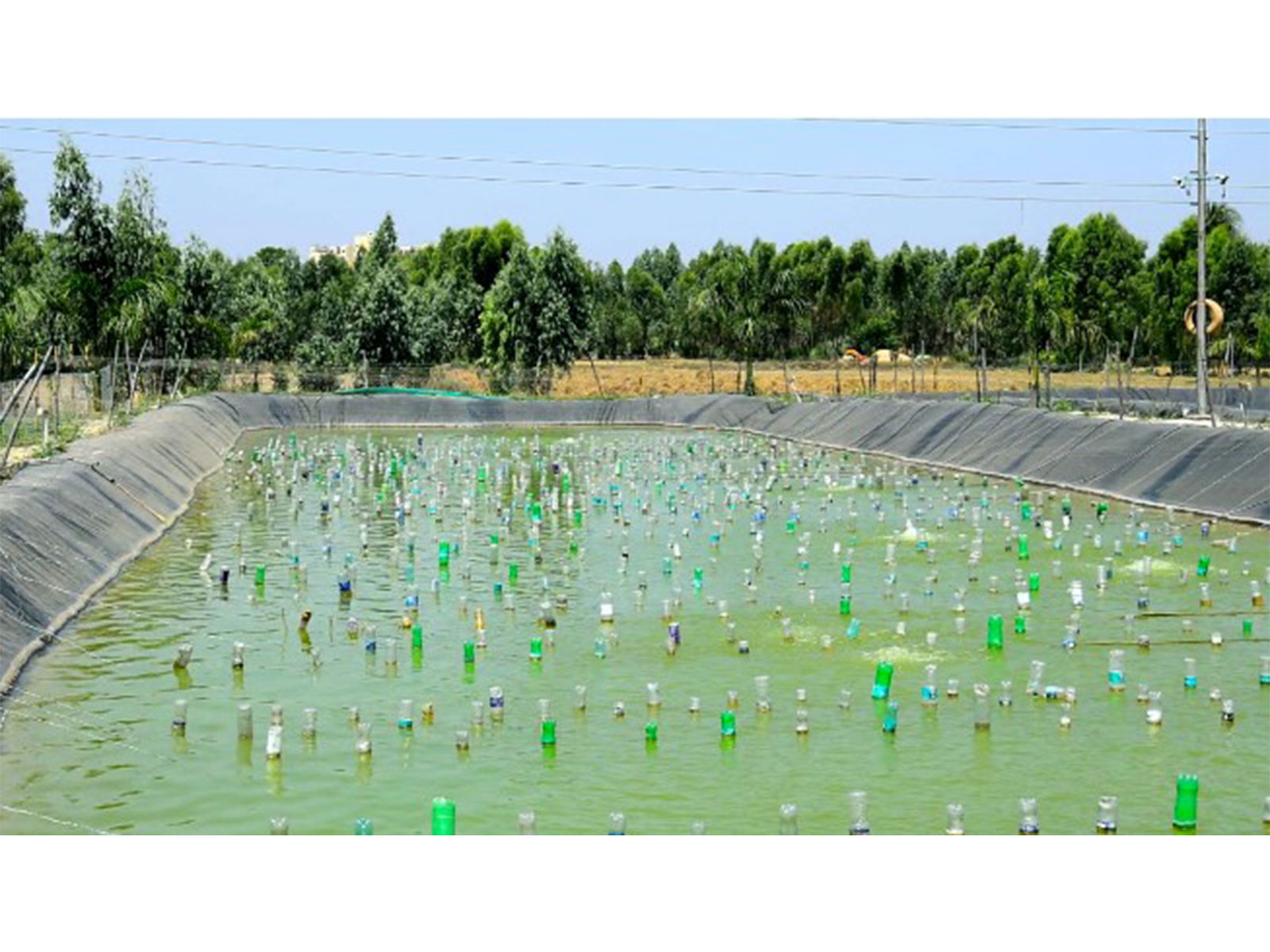
Moradabad (Uttar Pradesh) [India], June 2 (ANI): Pearl farming, once associated mainly with oceans and coastal regions, is now emerging as a new source of livelihood in smaller Indian cities, with innovative farmers turning waterlogged land into profitable aquaculture ventures. In Uttar Pradesh’s Moradabad, pearl cultivation is creating fresh employment opportunities for farmers and young entrepreneurs by combining skill development, awareness and modern farming techniques.
At first glance, the ponds used for pearl cultivation appear ordinary. But beneath the floating bottles and underwater net structures lies a carefully designed system where oysters are cultivated to produce pearls over several months.
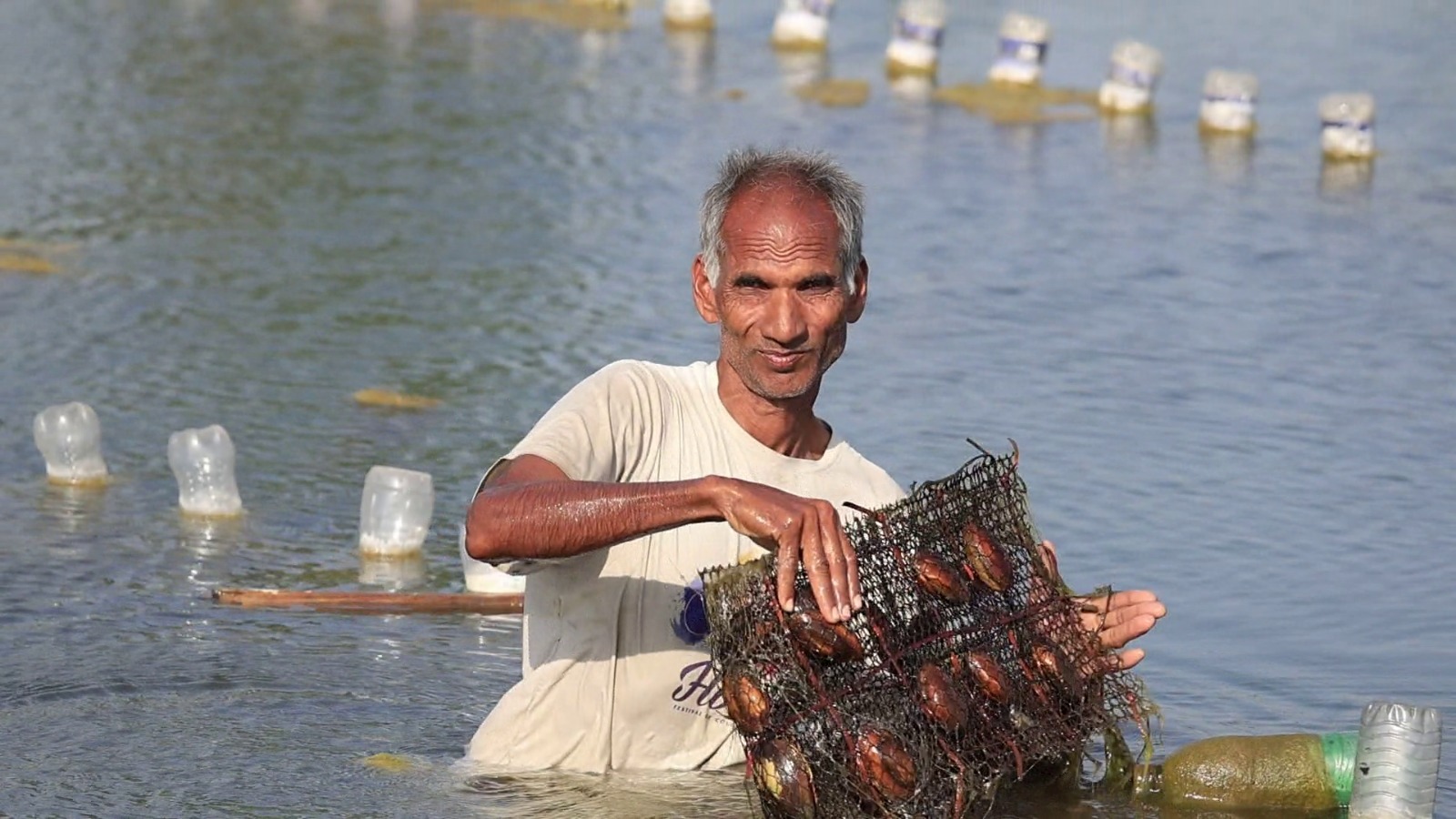
The initiative was started by pearl farmer Dr Deepak Mehdiratta, who turned to pearl farming after repeated waterlogging made conventional farming difficult on his low-lying land.
“We were unable to grow regular crops because water would collect in our fields frequently. Even water from nearby higher fields would flow into our land, making farming almost impossible,” Mehdiratta said.
“That is when we decided to start pearl farming. We studied the sector and realised that India produces only around 3 per cent of its pearl requirement, while nearly 97 per cent is imported. This showed us there is huge demand and strong market potential in the country,” he added.

Pearl farming involves inserting a small nucleus into oysters through a specialised process. The oysters are then carefully placed in controlled pond environments, where over time they naturally develop pearls inside their shells.
Experts associated with the project say the process requires patience, monitoring and proper water management, but can generate significantly higher returns compared to traditional farming.
Mehdiratta is also training young people and local farmers in pearl cultivation so they can create new livelihood opportunities for themselves.
Student Anmol Chahal believes pearl farming offers strong earning potential, especially for small farmers.
“A person with limited farmland can earn much more through pearl farming compared to many traditional options, provided it is done properly. It requires a small area but can generate substantial income,” he said.
Another student, Prakhar Rao, said the business mainly requires a one-time investment and patience.
“After the initial investment, pearls are ready in around one-and-a-half years. There is strong demand for them in the market, which makes it a promising opportunity,” he said.
The impact of the initiative is also visible among nearby villagers. Inspired by the model, local farmers Sunita and Subhash Chandra have also started pearl cultivation in their ponds.
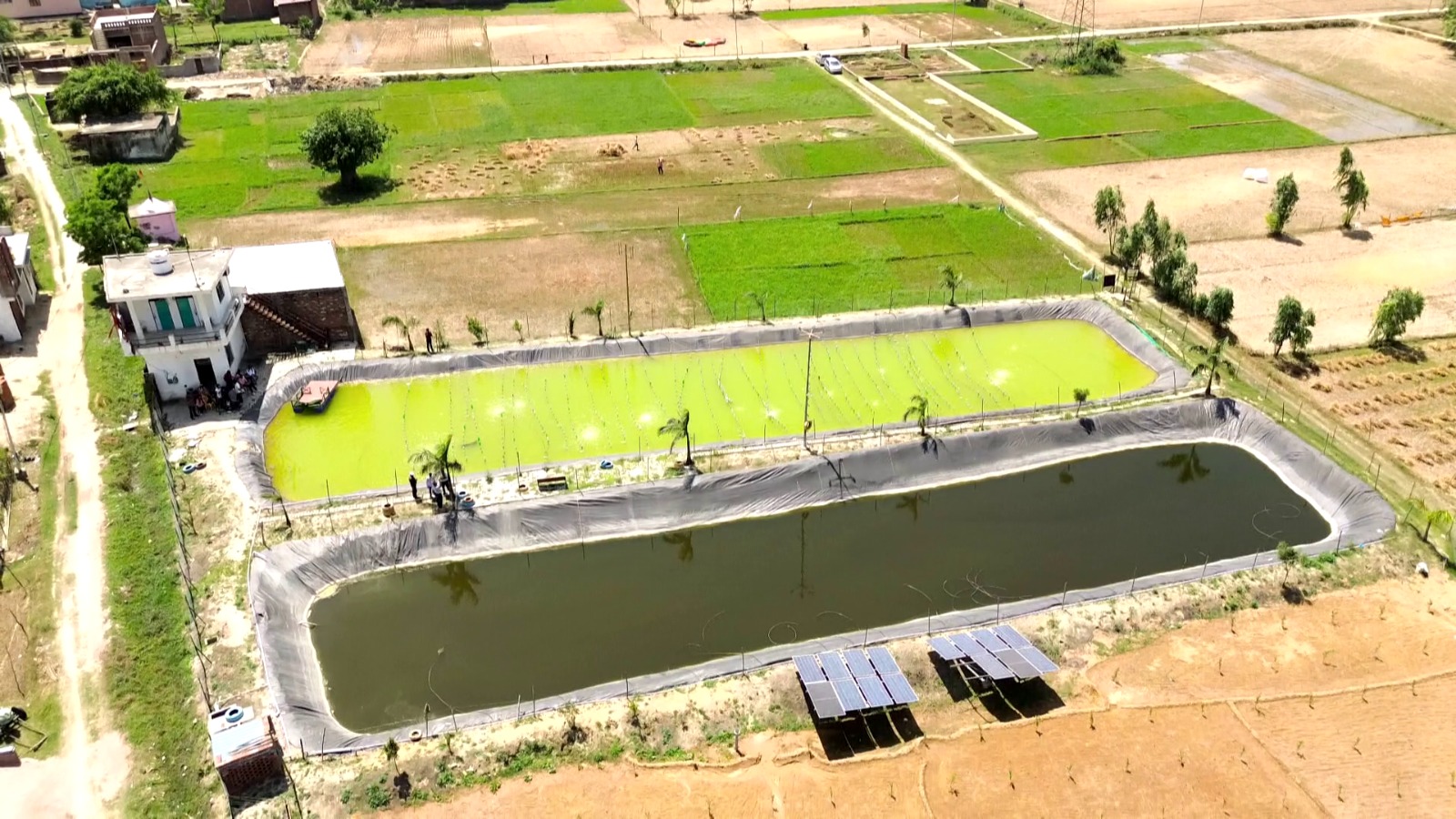
“I first saw pearl farming in a pond and got inspired to try it myself. We now have 25,000 oysters registered in my name and another 25,000 in my wife’s name. We were told the income could be nearly double compared to traditional farming, but we believe the returns could be even higher,” said farmer Subhash Chandra.
As awareness around pearl farming spreads, the Moradabad model is increasingly being seen as an example of how innovation and alternative agriculture can create sustainable income opportunities for rural communities and young entrepreneurs. (ANI)
Related reading