New Delhi [India], August 7 (ANI): India on Friday stated that it was “closely following” the newly inked trilateral defence agreement between Pakistan, Saudi Arabia and Turkey, with the Ministry of External Affairs (MEA) confirming that New Delhi is keeping a close watch on the situation following the signing of the “Mecca Joint Defence Agreement” by the three nations.
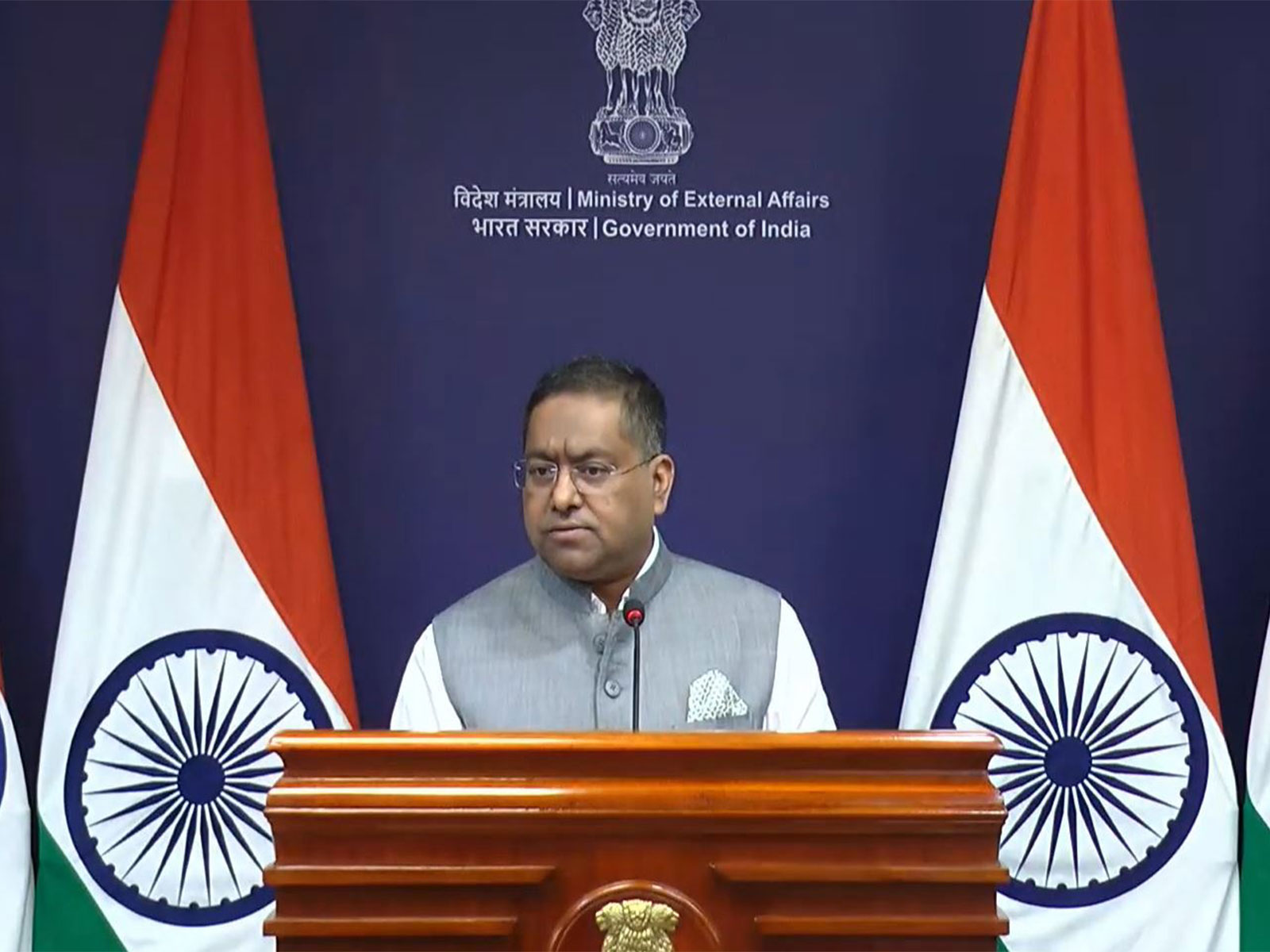
Addressing queries during a weekly media interaction, MEA Spokesperson Randhir Jaiswal observed, “This is also a development that we are closely following, and we shall keep you updated.”
On separate reports concerning Somalia entering into a security pact with Pakistan, Jaiswal remarked, “We continue to closely follow the developments between Somalia and the other country that you mentioned. That is what I have to say.”
The official response comes as Pakistan, Saudi Arabia and Turkey formalised the pact against the backdrop of escalating conflict in West Asia, aimed at solidifying military collaboration among the three nations amidst mounting regional security threats.
“The Agreement is intended to strengthen collective deterrence against any act of aggression, and stipulates that any armed attack against any one of the three States shall be regarded as an attack against them all. It further provides for the enhancement of all aspects of defence cooperation among the three States,” the summit statement read.
Although the pact refrains from detailing explicit military obligations or operational commitments, it outlines its primary purpose as fostering peace, stability and security, both regionally and globally.
The agreement was executed during a meeting between Saudi Crown Prince Mohammed bin Salman, Turkish President Recep Tayyip Erdogan and Pakistan’s Prime Minister Shehbaz Sharif in Saudi Arabia.
The deal materialises against the backdrop of intensifying regional strife following months of hostilities involving Iran, Israel and the United States, which have undermined security across the Gulf and compromised maritime routes along the Strait of Hormuz.
The security move follows repeated strikes on Saudi Arabia’s critical infrastructure and oil facilities by Iran and its regional proxies, including the Houthis and Iraqi militias, prompting the kingdom to seek broader defence partnerships. The pact also coincides with escalating tensions between Turkey and Israel over Gaza and broader regional hostilities, including the conflicts in Iran and Lebanon.
This formalisation follows intense speculation in strategic circles regarding the emergence of a broader regional alliance, often referred to as an “Islamic NATO”. Reuters had earlier reported, citing two regional sources with direct knowledge of the matter, that the three key Muslim-majority nations were set to formalise deeper defence integration.
The tripartite agreement builds upon a foundational bilateral security framework established last year, when Pakistan and Saudi Arabia signed the “Strategic Mutual Defence Agreement” during Prime Minister Shehbaz Sharif’s state visit to Riyadh for talks with Crown Prince Mohammed bin Salman. That pact similarly pledged that any aggression against either country would be treated as an attack on both.
Expanding on that momentum, Pakistan Defence Minister Khawaja Asif had previously indicated during an interview with Pakistani media outlet Hum News in May that the Islamabad-Riyadh axis could expand to encompass nations such as Turkiye and Qatar. Asif emphasised that discussions were progressing to create a regional structure that fosters peace without targeting any specific foreign power.
“And if this already existing pact between Saudi Arabia and Pakistan, if Qatar and Turkiye also join it, then it will be welcoming that such an economic and defence arrangement among countries comes to our region here so that dependence on outside the region is minimised,” Asif had stated, adding that while the pact is not directed against anyone, “it is very important to protect peace within our region.”
The evolving security matrix has drawn continuous, vigilant monitoring from global stakeholders, particularly India. Following the initial bilateral agreement between Islamabad and Riyadh last year, New Delhi had stated that it was evaluating the strategic ramifications.
In an official response regarding that prior bilateral move, MEA Spokesperson Randhir Jaiswal had noted that while New Delhi acknowledged the formalisation of what was a “long-standing arrangement” between Saudi Arabia and Pakistan, the Indian government remained steadfast in monitoring its impact.
“We will study the implications of this development for our national security as well as for regional and global stability. The Government remains committed to protecting India’s national interests and ensuring comprehensive national security in all domains,” the MEA spokesperson had stated. (ANI)
Related reading