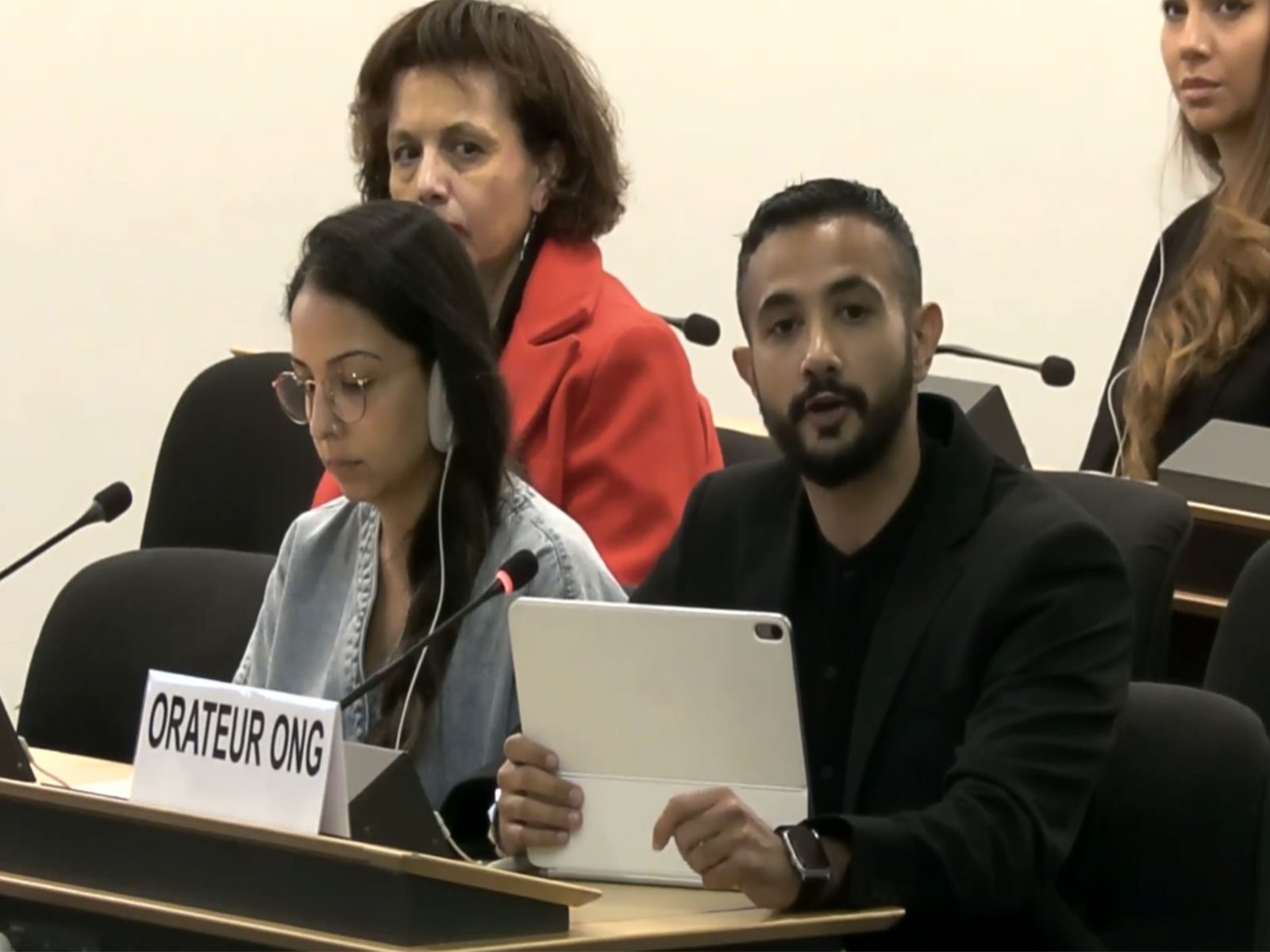
Geneva [Switzerland], October 1 (ANI): Yemeni-Swedish journalist, columnist and influencer Luai Ahmed Tarbosh Saeed raised concerns over religious freedom in Pakistan during his intervention at the 63rd Session of the United Nations Human Rights Council (UNHRC) in Geneva, citing the case of Christian woman Shagufta Kiran, who was sentenced to death in Pakistan in 2024 in a blasphemy case linked to WhatsApp content.
Addressing the Council, Ahmed questioned Pakistan’s record on religious freedom and asked, “Pakistan, if you care about religious freedom, why did you sentence a Christian woman to death, Shagufta Kiran, for allegedly sharing a WhatsApp message about the age issue in Islamic marriage?”
Kiran, a Pakistani Christian, was convicted under Article 295-C of the Pakistan Penal Code after being accused of sharing blasphemous content through WhatsApp. She was sentenced to death by a court in Islamabad in September 2024 following a trial lasting around three years. Her defence has maintained that she had forwarded the content rather than authored it, and an appeal was announced.
Ahmed also questioned the record of other governments in the Muslim-majority world, raising issues concerning protests in Iran, minorities in Syria and political governance in the Palestinian territories.
“Israel did not deny Iranians their freedom. Israel did not slaughter Syria’s minorities. Israel did not cause Abbas to rule as an unelected president for life,” Ahmed said, referring to his broader argument that governments should be held accountable for actions affecting their own populations.
Speaking from his personal experience of growing up in Yemen, Ahmed said that Arab populations had often been taught to attribute regional problems to Israel and Jews. He argued instead that, in his view, the region’s problems were linked to what he described as “Islamist dictatorships” and their treatment of their own people.
His intervention focused on what he presented as inconsistencies in the human-rights positions of governments and called for greater scrutiny of religious freedom, political rights and the treatment of minorities. (ANI)
Related reading