Washington, DC [US], September 20 (ANI): US President Donald Trump cautioned on Sunday that he has reached a decisive juncture regarding the conflict involving Iran, warning that significant consequences will follow if Tehran refuses to alter its behaviour.
In remarks shared during an interview with the US network Fox News regarding his strategy in the ongoing war, Trump stated, “My question is, if and when do I blow the entire nation up? They had better behave.”
Outlining his available courses of action, the US President noted that he could annihilate the country, permit it to economically deteriorate, or pursue a diplomatic settlement, while forecasting that “very big things are going to be happening in the not-so-distant future.”
Addressing upcoming international engagements ahead of the UN General Assembly high-level week commencing Monday, Trump indicated a readiness for diplomatic talks, mentioning that he would “probably be open” to holding discussions with Iranian President Masoud Pezeshkian.
Regarding broader conflicts across the region, Trump remarked that Washington maintains ongoing contact with Yemen’s Houthis in the wake of their recent ballistic missile strikes directed at Saudi Arabia, maintaining that the faction has consented to refrain from attacking American personnel.
However, indications suggest a new front is opening across the restive Middle East as the American administration studies potential military steps against the Houthis following their missile attack targeting the Saudi capital, Riyadh, which Saudi forces successfully intercepted.
Amid these escalating regional tensions, President Trump cut short an overnight stay at Camp David and returned to the White House early.
CNN National Security Analyst Alex Plitsas reported on X that discussions at the presidential retreat centred on deliberating and reviewing strike options concerning Yemen. Following these high-level deliberations, US embassies across the Middle East issued security warnings to American citizens regarding potential retaliatory targets.
The security climate has grown increasingly complex, with ongoing regional friction involving Iran, Yemen, and Western interests.
Saudi Crown Prince Mohammed bin Salman previously addressed the gravity of the Houthi threat, asserting that military intervention could have swiftly concluded the conflict had it not been for concerns over innocent Yemeni civilians.
Concurrently, US diplomatic missions have advised citizens to monitor consular alerts closely due to persistent threats of drone and missile strikes linked to Iran and its regional allies.
Adding to the diplomatic dimensions, Iran’s security chief Mohsen Rezaei stated in an interview with Al Jazeera that Tehran has communicated its terms for ending hostilities through Qatari mediation, demanding an end to the war on all fronts, the unfreezing of national funds, and the cessation of the naval blockade.
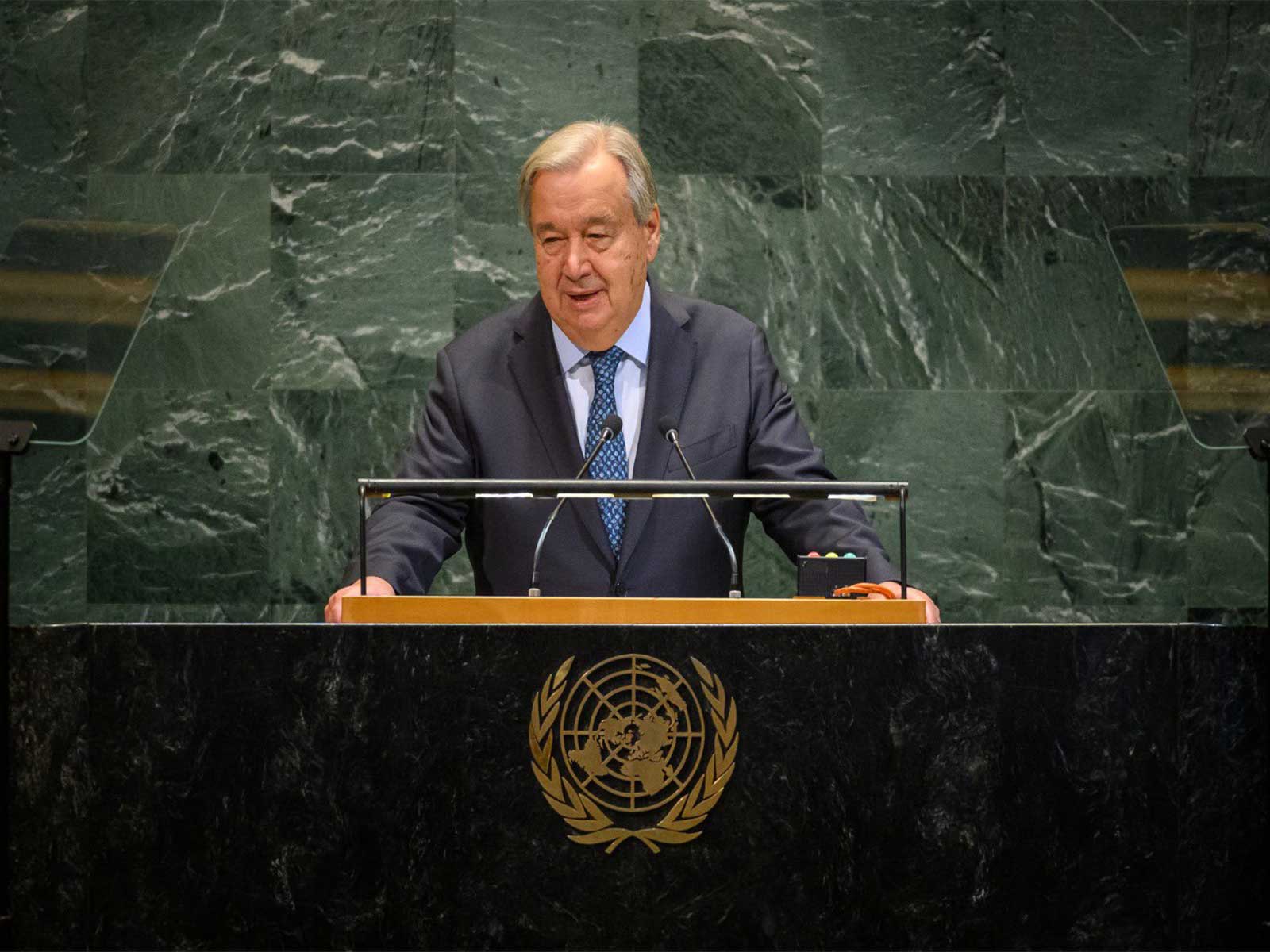
While the Trump administration weighs these conditions alongside military preparations, world leaders prepare to convene in New York for the United Nations General Assembly, where the unfolding crisis in West Asia is anticipated to dominate international discussions. (ANI)
Related reading