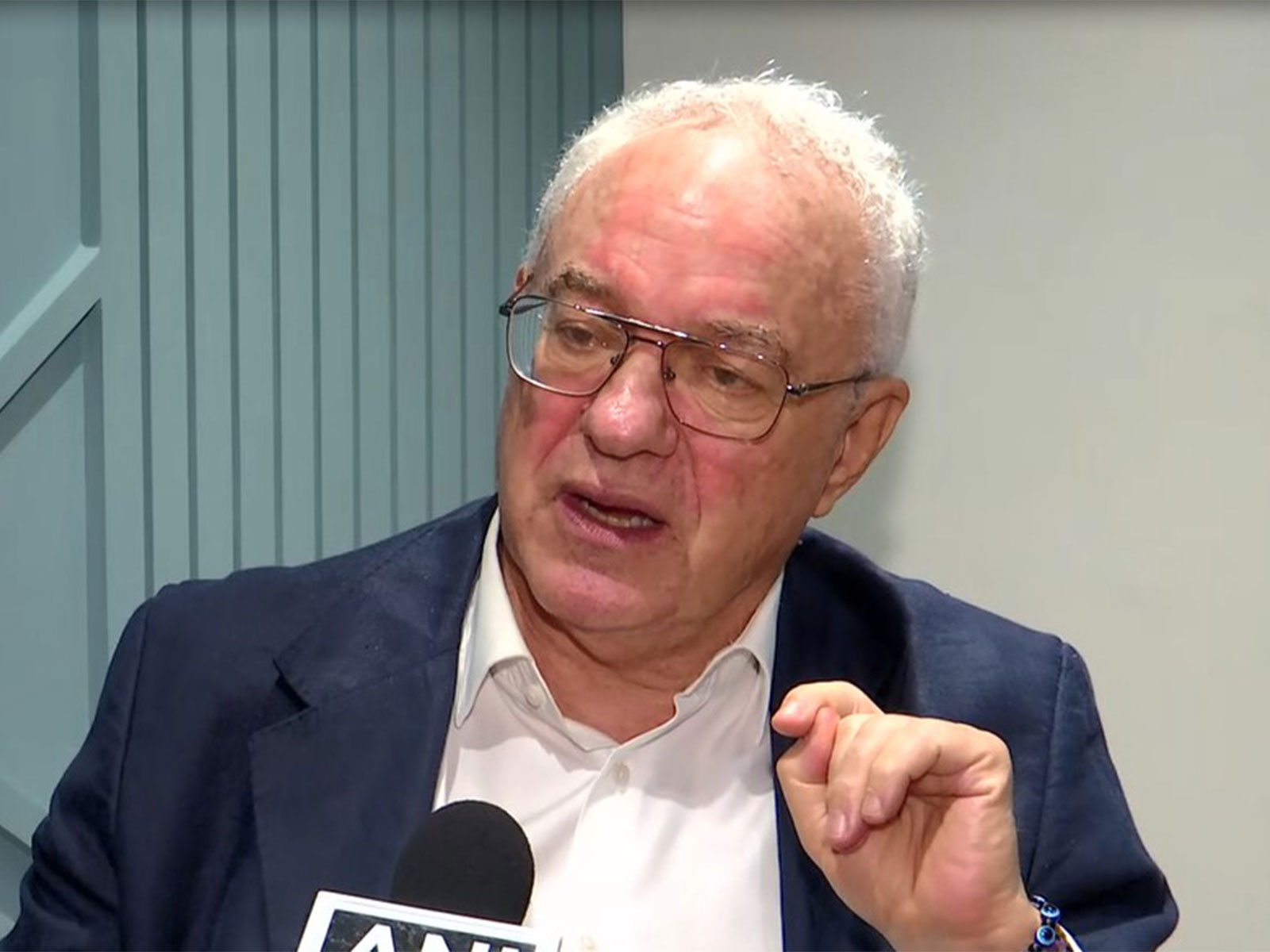
New Delhi [India], September 14 (ANI): Praising the BRICS New Delhi Declaration, Uruguayan Foreign Minister Mario Lubetkin on Monday highlighted that the document directly addressed the core needs of the Global South, offering a shared blueprint for tackling critical global challenges ranging from environmental stability to artificial intelligence.
Speaking exclusively with ANI, Lubetkin emphasised that issues surrounding environmental stability, peace, new geopolitical pressures, trade, intelligence, and artificial intelligence affect nations globally, making the outcomes of the summit highly relevant across regions.
“The final declaration touched the most important points that each one of the countries, each one of the leaders that came. Just for this, we feel very well with this type of declaration because it’s very useful for us,” Lubetkin said.
Lubetkin noted that the final declaration successfully captured the key priorities of attending world leaders, describing it as an extraordinarily practical framework. He rejected the notion that outcomes agreed upon in New Delhi are distant from regional realities.
“It’s not something like you say, ‘In Delhi was discussed, but I crossed the world, I’m back to my region, and it’s so far.’ It’s not so far. It’s part of the same problem. And if we can think, and we can be aware that in other regions in the world we have similar problems, similar needs, and we need to find similar solutions, that can give us other tools to try to work better and more quickly about the needs that we need to resolve,” he added.
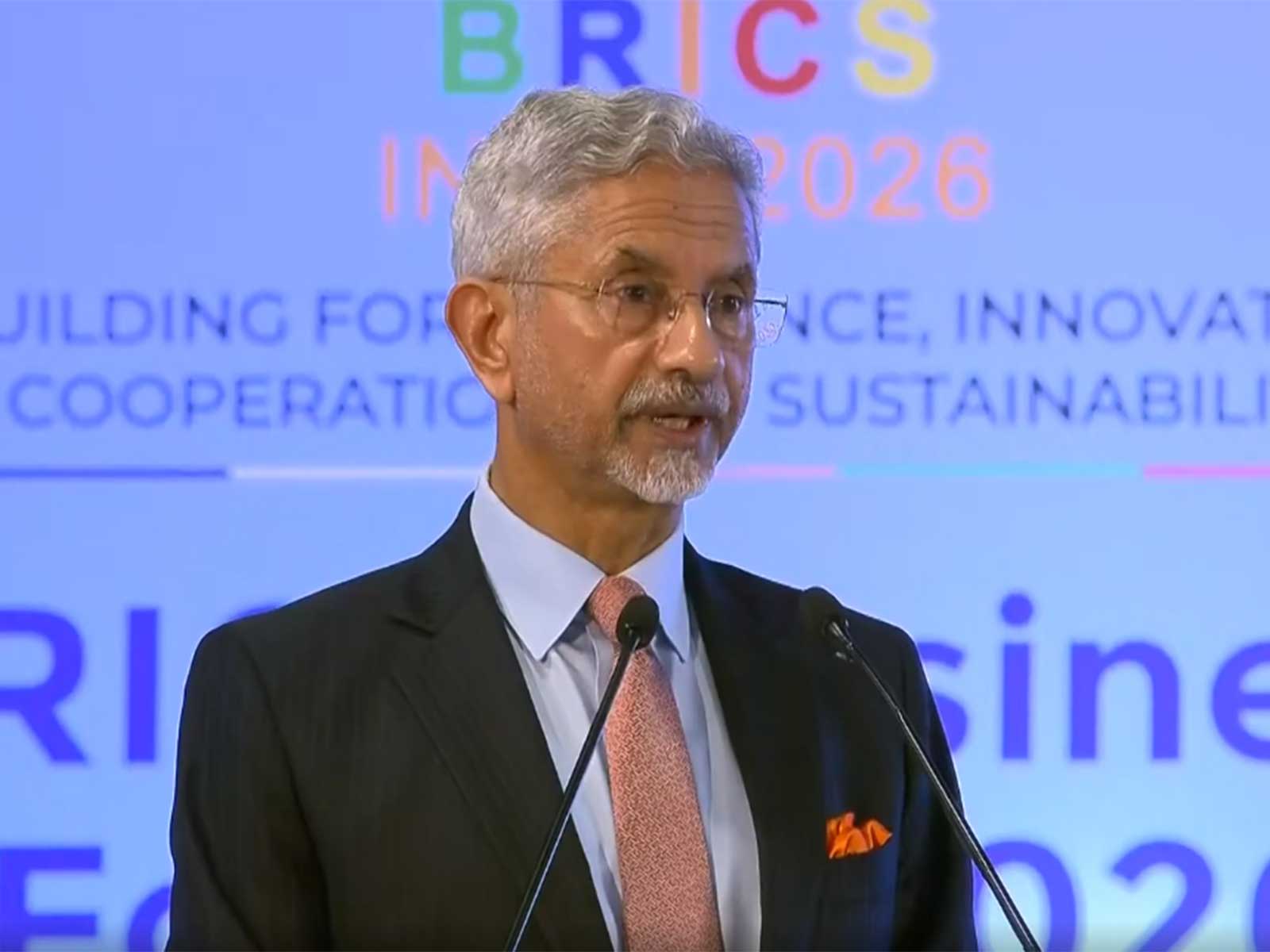
Highlighting his bilateral engagements in the capital, the foreign minister described his meeting with External Affairs Minister S Jaishankar as one of the most critical moments of his visit.
“India was very coherent, because now we have the Ambassador of India in Uruguay… Formally now we have the first ambassador of India in the history,” Mario Lubetkin stated.
“The meeting with my colleague, the Minister of Foreign Affairs of India, was incredible, because we wanted to put in practice what was the discussion last year. And in half-hour, we built the roadmap for one year. My colleague and me are clear how we will develop the relationship between India and Uruguay till the end of 2027,” he explained, pointing to strong synergies between two “solid democracies.”
Lubetkin also addressed trade negotiations during meetings with Union Commerce Minister Piyush Goyal, particularly regarding the expansion of the India-Mercosur agreement. Calling for a shift beyond legacy preferential terms, he stressed the need to transition immediately to a dynamic strategic deal.
“What was discussed 10 years ago is not enough now, because all is moving very quickly. Just for this, we need to pass immediately to a new stage,” Lubetkin stated.
“We need to go to a strategic agreement to deepen the relationship… to be very strong in the business relation between India and Mercosur,” he emphasized, noting that bilateral trade and regional engagements via Community of Latin American and Caribbean States (CELAC) will accelerate rapidly.
Addressing the broader multilateral setup and India’s bid for a permanent seat at the United Nations Security Council (UNSC), Lubetkin stressed the urgent necessity for structural reform while affirming the irreplaceable role of the world body in global governance.
“We are convinced that we need to have the reform. There are many discussions about how need to be this reform. It’s clear that in many things, United Nations is a complicate scenario today, a little bit more weak, but we have clearly one answer: without UN, this world could be worst. For sure,” he stated.
“We can criticize, we need to think to reform, but something that we cannot think is to close United Nations. We need to understand how it can be better, and that is part of the discussion,” he added, noting that upcoming leadership transitions—including the selection of the next UN Secretary-General, potentially from Latin America—will play a key role in processing these global reforms supported by the Global South.
Earlier on Sunday, Prime Minister Narendra Modi expressed hope that New Delhi Declaration adopted at BRICS Summit will provide a clear direction for shared vision and future cooperation and the discussions over the past two days have strengthened the conviction that the grouping is an ecosystem of solutions.
In his concluding remarks at the two-day Summit held at Bharat Mandapam, PM Modi said BRICS countries must translate all outcomes into time-bound actions.
“Our discussions over the past two days have further strengthened our conviction that BRICS is not merely a grouping of nations, but an ecosystem of solutions. We hope that the New Delhi Declaration adopted at this summit will provide a clear direction for our shared vision and future cooperation. We must translate all outcomes into time-bound actions that deliver last-mile impact. We will work together to ensure that our framework moves beyond mere documentation and creates a tangible impact in real life,” he added.
PM Modi said that the world now expects concrete results from BRICS and expressed hope that expectations will be fulfilled. (ANI)
Related reading