New Delhi [India], July 31 (ANI): The Tibetan Parliament-in-Exile intensified its campaign in New Delhi against China’s newly introduced Ethnic Unity and Progress Law, holding a series of meetings with Indian Union Minister of State and Members of Parliament while warning that the legislation could further tighten Beijing’s control over Tibetans and other ethnic minorities, according to the Central Tibetan Administration (CTA).
The outreach programme, led by Deputy Speaker Khenpo Sonam Tenphel, entered its fourth day with two parliamentary delegations meeting lawmakers across party lines to raise concerns over what the CTA described as China’s latest legal mechanism for accelerating the assimilation of Tibetans, Uyghurs, Southern Mongolians and other non-Han communities.
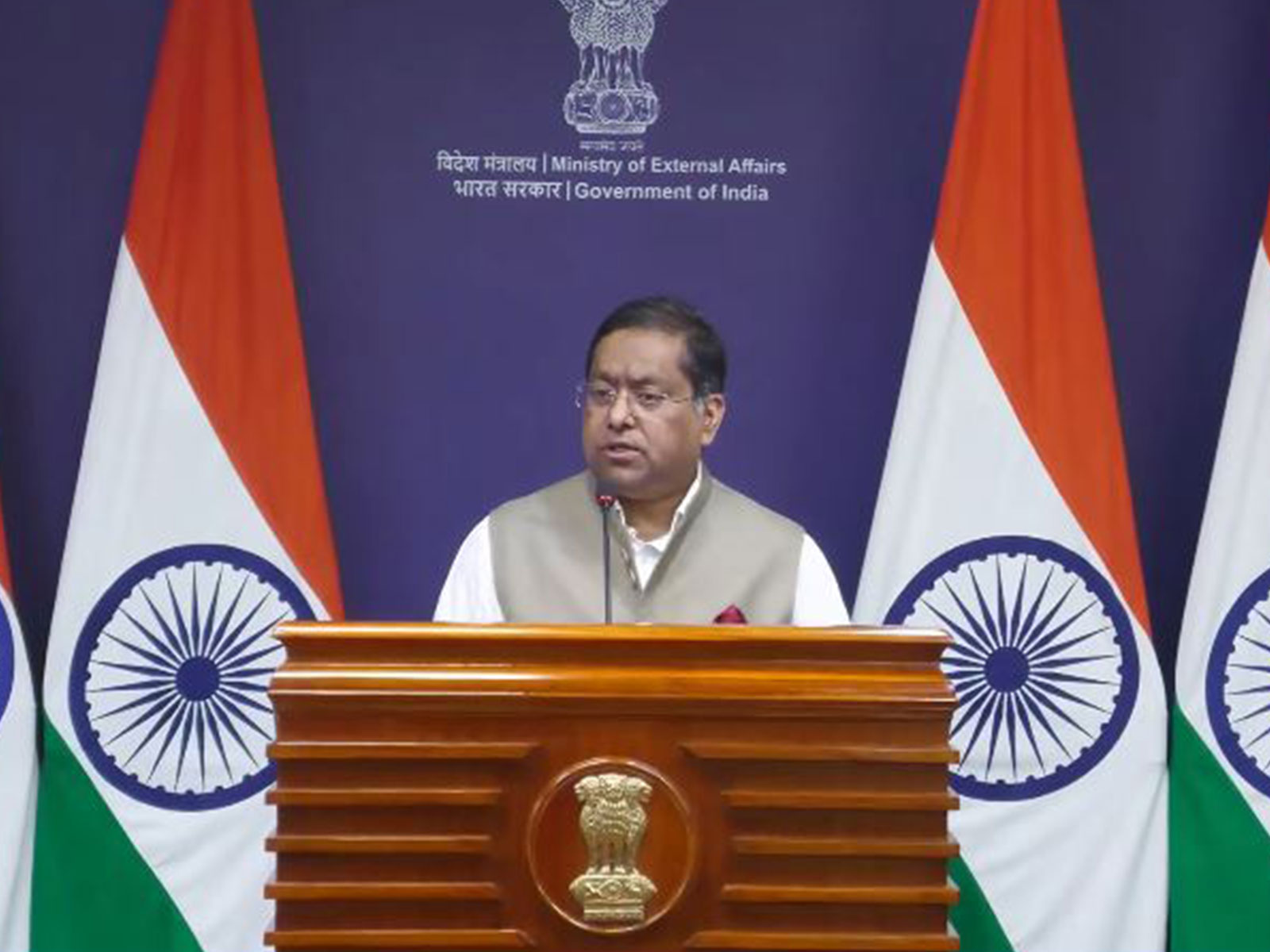
According to the CTA, one delegation met Lok Sabha members Dr. Byreddy Shabari, N.K. Premachandran, Trivendra Singh Rawat and Mala Rajya Laxmi Shah, while the second delegation held discussions with Union Minister of State for New and Renewable Energy Shripad Yesso Naik, BJP MPs Janardan Mishra and Janardan Singh Sigriwal. Both groups also met BJP MP Tapir Gao, Co-convener of the All Party Indian Parliamentary Forum for Tibet, and MP Amarsing Tisso.
During the meetings, the Tibetan representatives argued that China’s Ethnic Unity and Progress Law provides a legal framework for expanding Beijing’s assimilation policies by undermining the languages, religious traditions, cultural heritage and identities of Tibetans and other minority communities, the CTA said.
The delegation further alleged that the legislation has implications beyond China’s borders, warning that it could enable the Chinese Communist Party to intensify surveillance, intimidation and transnational repression targeting Tibetans living abroad, according to the CTA. They said such actions pose risks to democratic freedoms, civil liberties and the security of Tibetan exile communities.
The delegation also urged Indian lawmakers to raise the issue in Parliament, support the cultural and religious rights of Tibetans, oppose transnational repression, recognise Tibet’s historical status before Chinese control, and encourage meaningful dialogue to resolve the Tibet-China issue, the CTA added.
The representatives also submitted official resolutions condemning the law, expressing solidarity with Tibetans inside Tibet, and highlighting the self-immolation protest by Tibetan activist Lobga Rangzen outside the UN headquarters in opposition to the legislation, according to the CTA. (ANI)
Related reading