New Delhi [India], October 15 (ANI): Foreign Affairs Expert Robinder Sachdeva on Thursday backed India’s cautious approach towards licensing Elon Musk-led SpaceX’s satellite internet service Starlink, arguing that concerns over the reliability of a privately controlled communications network and its potential geopolitical implications have “sufficient merit”, particularly in light of reports of restrictions affecting Ukraine amid continued Russian strikes.
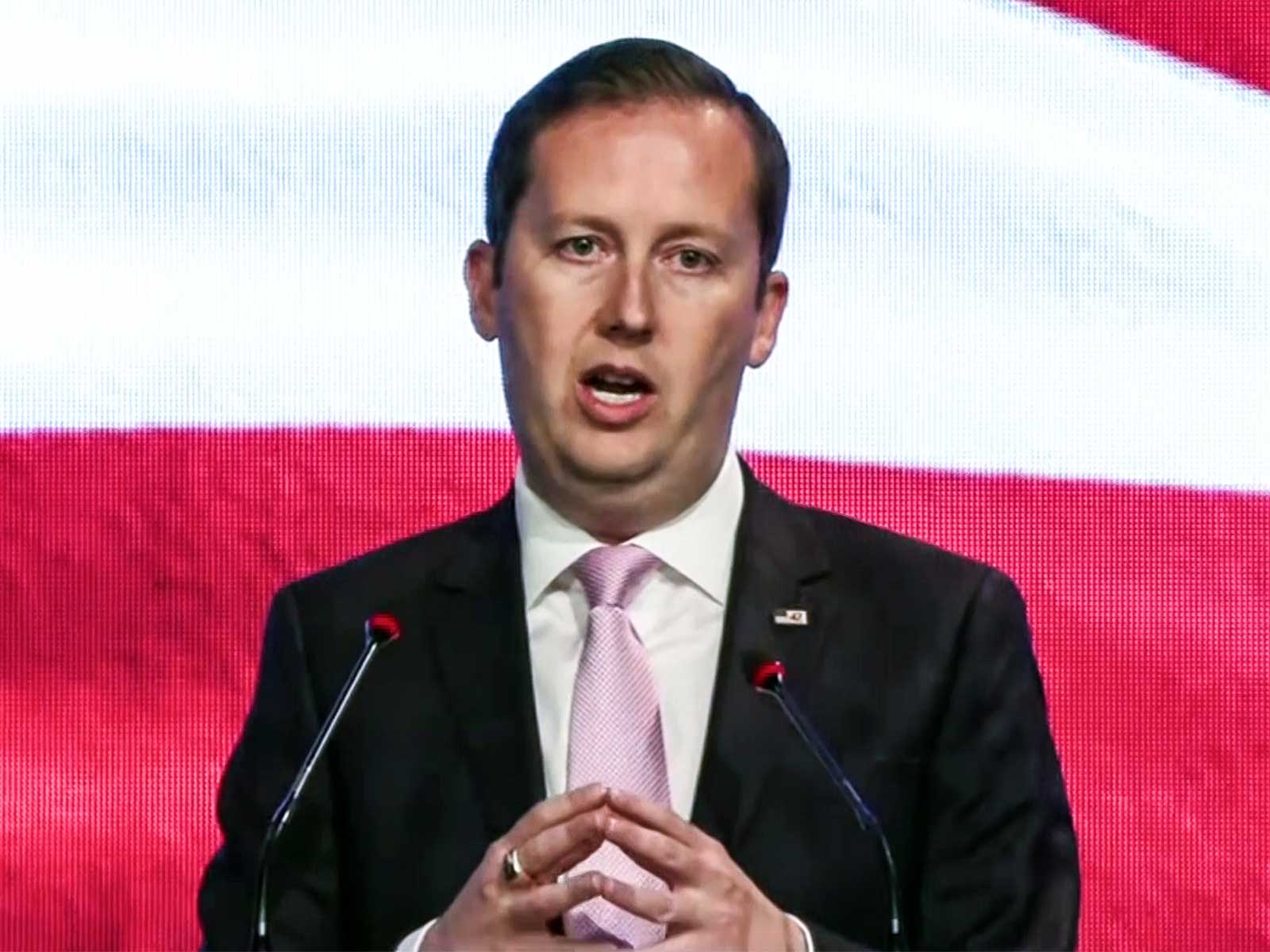
Sachdeva, speaking to ANI, said that India’s concerns were justified given Musk’s recent track record in Ukraine and the influence he wields over a technology platform that has become important to military communications.
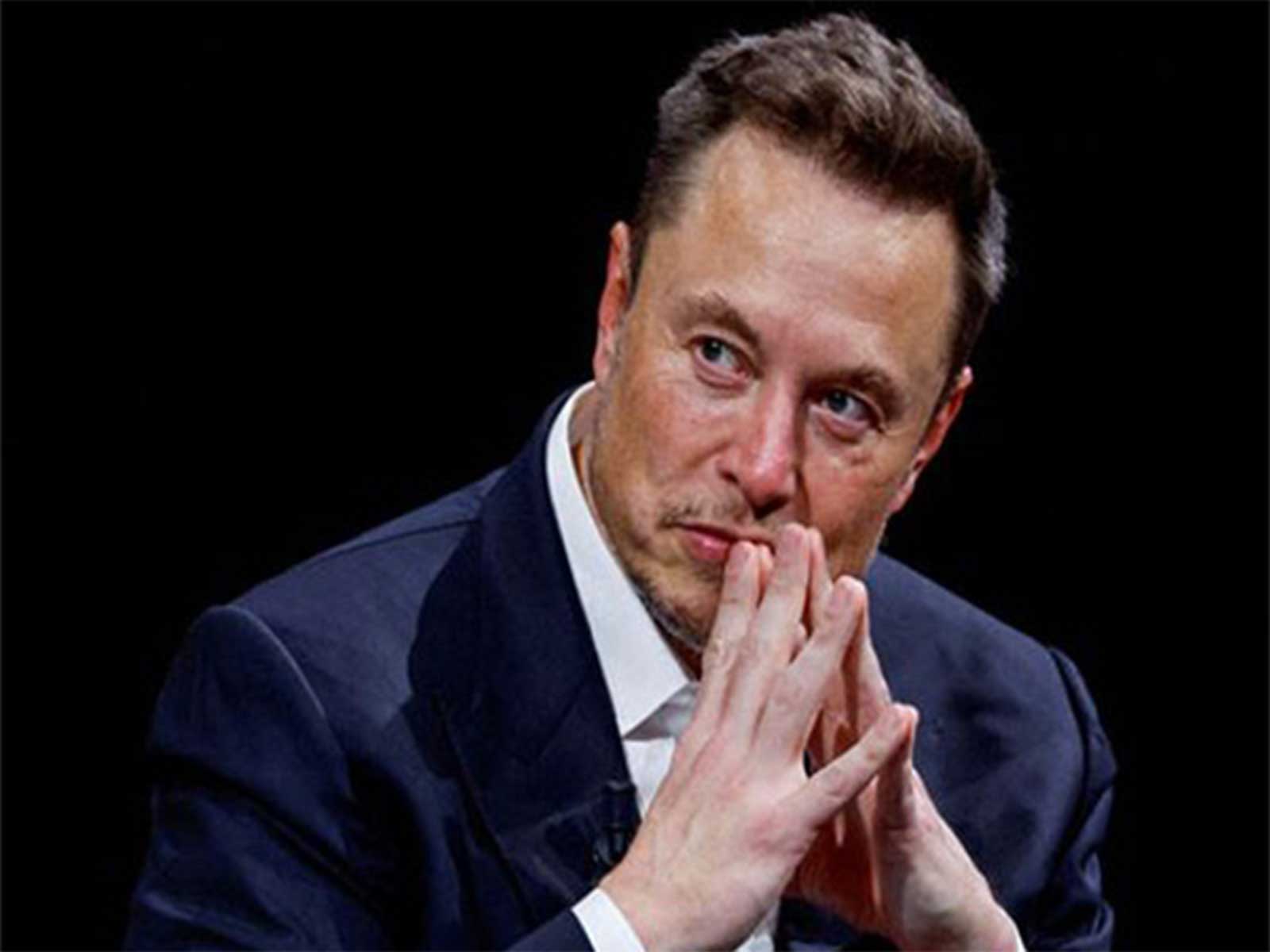
“I do think that there is sufficient merit in the stance of the Indian government or the overall Indian stance that Starlink can be a very mercurial, maverick, unpredictable player, especially given the track record of Elon Musk in Ukraine; he cut off Starlink access,” he said.
He also pointed to Musk’s dispute with US President Donald Trump, arguing that the unpredictability of an individual controlling critical infrastructure could pose a risk for countries relying on such services.
“By the way, in America, when NASA is launching its rockets, Dragon is one spacecraft for SpaceX. In his feud with Donald Trump, he said dragon will not fly. So Elon Musk is a mercurial individual with immense, let’s say, powers at his disposal. It is definitely a matter of risk for India what Elon Musk could do. He’s unpredictable. It is whimsical. So therefore, not only is it a private company, it is headed by an individual who’s a maverick. And secondly, looking at the world of today and yesterday, we do realise that when geopolitical conditions change foreign companies, American companies, British companies, and European companies can withdraw,” Sachdeva added.
His remarks come amid renewed scrutiny of Starlink and SpaceX following reports of restrictions affecting satellite communications services in Ukraine, where the network is used by Ukrainian forces for reconnaissance and interceptor drones, intelligence gathering and other military operations.
The reported disruption has triggered criticism from US lawmakers and Ukrainian officials, while raising broader questions about the extent to which private technology providers can influence communications infrastructure during an armed conflict.
For India, the developments have brought the security implications of satellite communications licensing into sharper focus, reinforcing the importance of regulatory scrutiny before foreign-controlled services are allowed to operate.
The Ministry of Communications has maintained that India’s regulatory framework for satellite communication services is fair and non-discriminatory, while making security compliance a prerequisite for licensed operators to proceed towards spectrum assignment.
The ministry’s position followed a post by Musk on X claiming that Starlink’s plans in India were being blocked by “certain oligarchs”.
Rejecting allegations of discrimination, the ministry said the government had established an authorisation framework covering all telecommunications services, including satellite communications.
It noted that licences had been granted to three Global Mobile Personal Communication by Satellite services based on non-geosynchronous satellite orbit technology, while stressing that all licensees must demonstrate compliance with security conditions.
“Under the terms and conditions of license, every such licensee is required to demonstrate compliance with security conditions. This is aimed at ensuring that services provided meet various security requirements to ensure safety of all users and their data,” the ministry said.
The government also stated that security assessments were underway for all three licensees and that a licensed entity could proceed to the next step of seeking spectrum assignment once its assessment was completed.
The regulatory position places security considerations at the centre of India’s approach, rather than allowing licensing to depend solely on commercial commitments or claims of providing connectivity to underserved areas.
Sachdeva’s remarks underscore the concerns surrounding dependence on foreign-controlled satellite infrastructure, particularly when the company providing the service is headed by an individual whose decisions may be influenced by changing commercial or geopolitical circumstances. (ANI)
Related reading