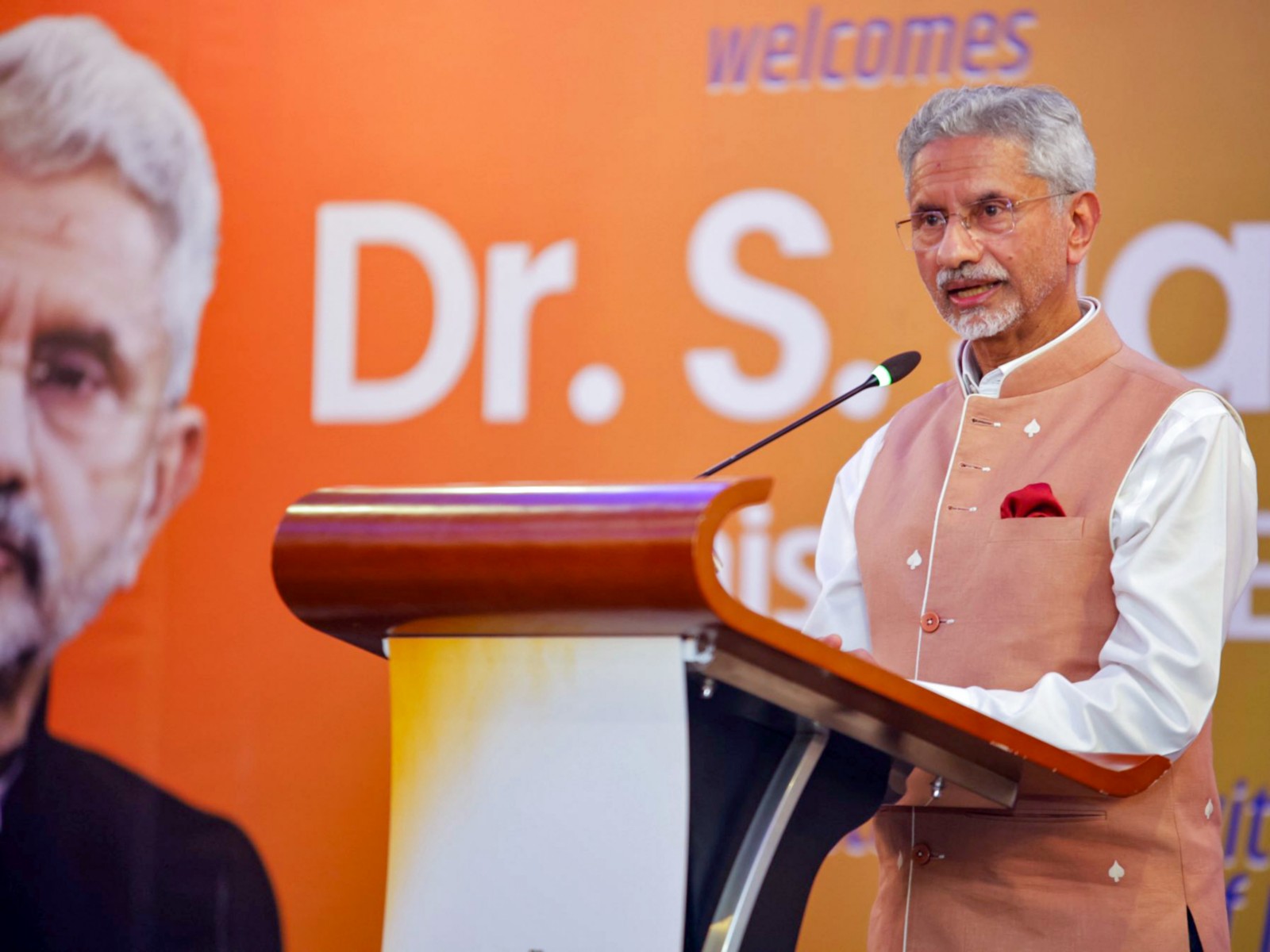
New Delhi [India], July 26 (ANI): External Affairs Minister S Jaishankar on Sunday called the inclusion of the inscription at Sarnath in the UNESCO World Heritage List a matter of pride and recognition of India’s spiritual legacy.
In a post on X, he noted how the decision was a nod to India’s rich civilisation and how it continues to inspire humanity with messages of wisdom and compassion.
Jaishankar said, “The inscription of the ancient Buddhist site of Sarnath in @UNESCO’s #WorldHeritage List is a matter of pride. A recognition of ‘s rich civilisation and spiritual legacy, inspiring humanity with the timeless message of wisdom, compassion and harmony.”
https://x.com/DrSJaishankar/status/2081198733589651850
Prime Minister Narendra Modi on Saturday called it a “proud moment” for every Indian.
In a post on X, he said, “A proud moment for every Indian! Delighted that Sarnath in Uttar Pradesh has been inscribed on the UNESCO World Heritage List.”
Vice President CP Radhakrishnan on Saturday called the inclusion of the inscription of the ancient Buddhist site of Sarnath in the UNESCO World Heritage List a moment of immense national pride, highlighting the ancient Buddhist site as an enduring symbol of India’s spiritual legacy.
The decision comes during the ongoing 48th Session of the UNESCO World Heritage Committee meeting in Busan, Republic of Korea.
Nestled roughly 10 kilometres from the historic city of Varanasi, Sarnath remains one of the most revered pilgrimage destinations for global Buddhist followers. The sacred location occupies a landmark position in spiritual history as the venerable venue where Gautam Buddha delivered his maiden sermon after attaining enlightenment.
The Archaeological Survey of India noted in a post on X how the site has been subjected to extensive excavations by the ASI since the 19th cen., showcasing cultural layers from as early as 5-4th cen. BCE till the 12th cen. CE, indicating constant patronage and activities from pre-Mauryan levels till the Rajput period.
The famous Mauryan Lion Pillar, which later became the National Emblem of India and the Dharkachakrapravartan Buddha from the Classic Gupta Art are found from the excavations, which are presently displayed at India’s earliest site Museum, which was established in 1904.
With this monumental addition, the ancient Buddhist shrine becomes India’s 45th property to secure a prestigious spot on the UNESCO World Heritage List.
The strategic decision was taken during the ongoing session of the World Heritage Committee, which serves as one of the two executive organs overseeing the Convention for the Protection of the World’s Cultural and Natural Heritage. (ANI)
Related reading