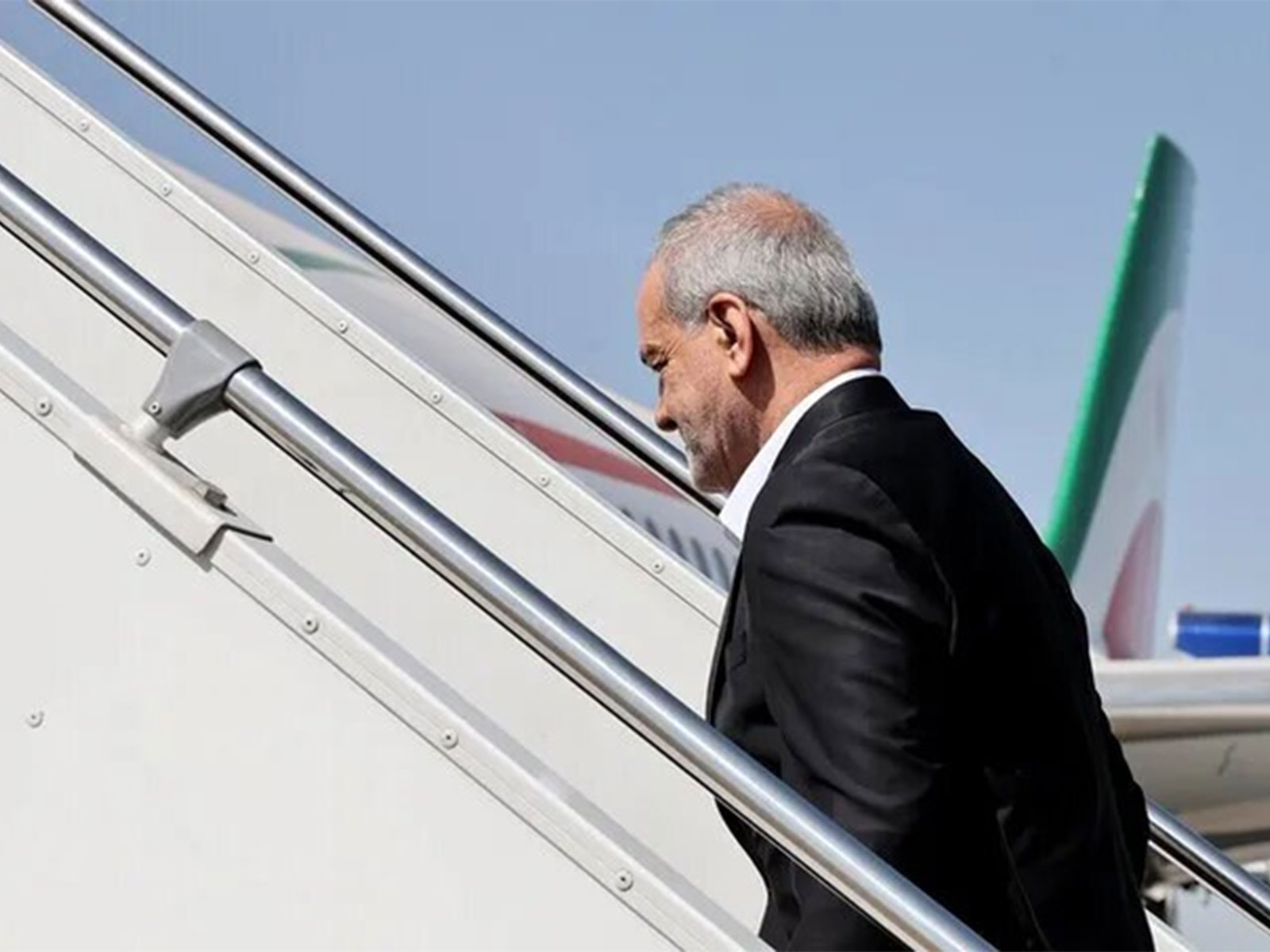
New York [US], September 26 (ANI): Iranian President Masoud Pezeshkian left New York for Tehran after attending and addressing the 81st United Nations General Assembly, Press TV reported.
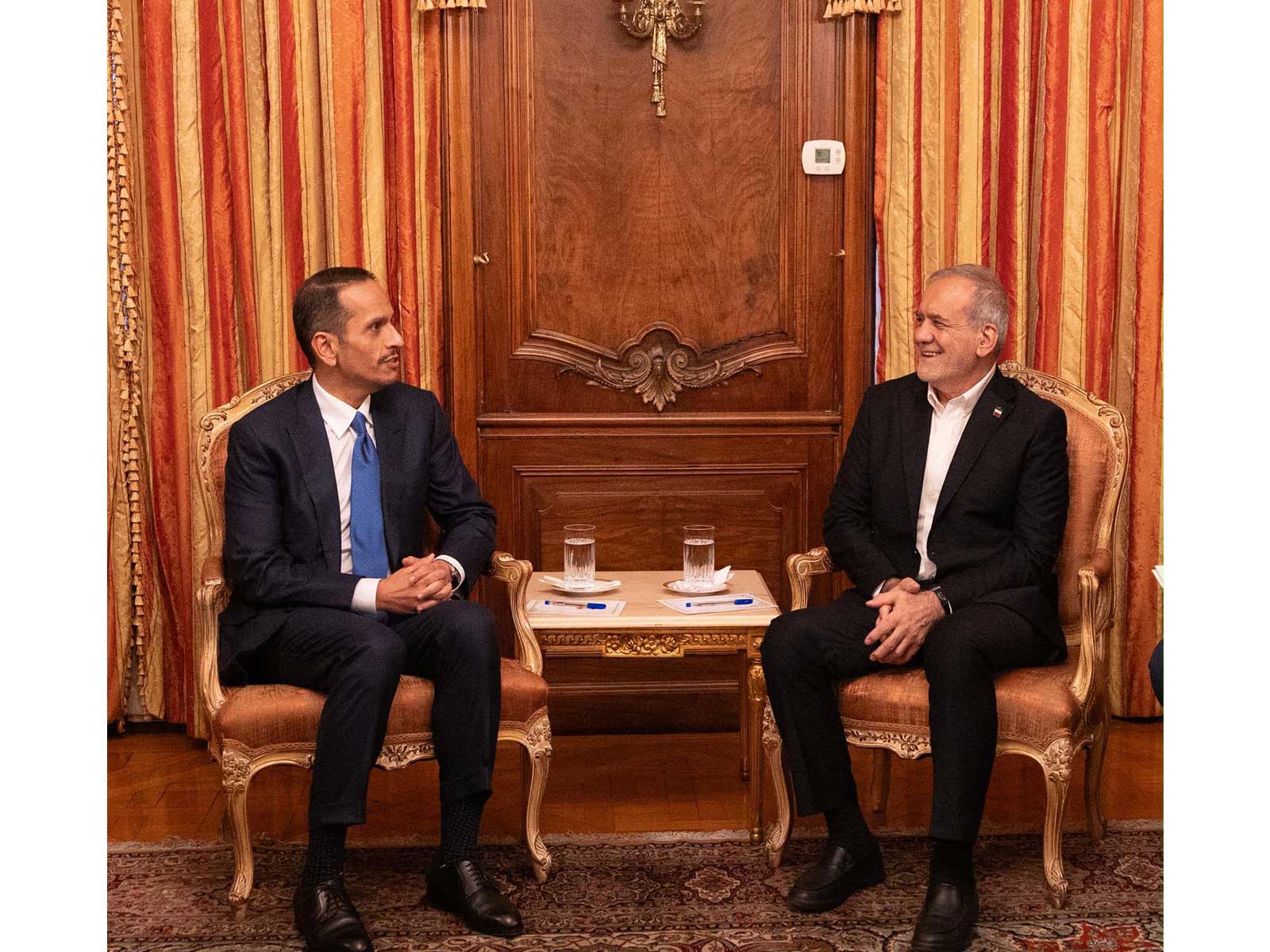
During his visit, Pezeshkian also held separate meetings with the leaders of Switzerland, Iraq, Bangladesh, Norway, Armenia, the Netherlands, Lebanon and Pakistan, as well as the President of the European Council and the UN Secretary-General.
Earlier, speaking to CBS News, Pezeshkian said there was an “atmosphere of distrust” between Iran and the U.S.
Pezeshkian, during an interview with “Face the Nation with Margaret Brennan” suggested that he would need to know “what exactly we want to reach an understanding on.”
“If this message reaches the president of the United States, or those involved in the discussions, naturally the process will begin from the very day they accept it,” he said.
Pezeshkian also blamed the U.S. for the collapse of the ceasefire agreement known as the “memorandum of understanding,” signed with the US in June. This comes as the Wall Street Journal reported that President Trump has rejected Iran’s proposal for a seven-day ceasefire.
According to the report, which quoted US officials, the US President has told aides he expects to resume bombing Iran after the November midterms. This follows his open threat of annihilating Iran made during his speech to the UN General Assembly earlier this week.
“I have a big decision to make. Will a deal be made with Iran that lets them rebuild and create a far greater country than it ever was before? Maybe one of the greatest in the Middle East or even the world. Or do I annihilate the Islamic Republic, and do it quickly, never giving them a chance to kill and destroy people and countries again? But I believe we’ll make a deal right after the election, because it doesn’t make sense for them not to,” he told the Assembly on September 22.
On Thursday, Iran’s foreign Minister Syed Abbas Araghchi said that Iran has offered a seven-day plan to end the conflict in West Asia. The plan would also seek to reopen the Strait of Hormuz and then begin comprehensive talks on Iran’s nuclear program.
Araghchi told reporters at the United Nations General Assembly that the proposal was similar to the MoU reached between the US and Iran in June this year.
“We have introduced a plan to the United States through the intermediators that if certain conditions are met, the Strait of Hormuz would be open on the end of the seventh day and talks would restart…it would be better, if a deal was reached before the U.S. midterm elections,” he said.
In his meeting with German Foreign Minister Johann Wadephul, Araghchi stressed that the Islamic Republic of Iran has conveyed to the American side its reasonable conditions and requirements for advancing diplomacy, emphasising that restoring security to the region requires an end to US interventionist and aggressive actions against Iran.
The Iranian foreign minister underscored Iran’s commitment to pursuing diplomacy regarding its peaceful nuclear program, stressing that no party can ignore Iran’s good faith in the negotiations, as well as the US and Israeli military aggression against Iran in the midst of the talks, while portraying Iran as responsible for insecurity in the Strait of Hormuz.
With Trump rejecting a peace overture from the Iranians, the heat in West Asia is likely to get more intense once the US midterm elections are done and dusted. (ANI)
Related reading