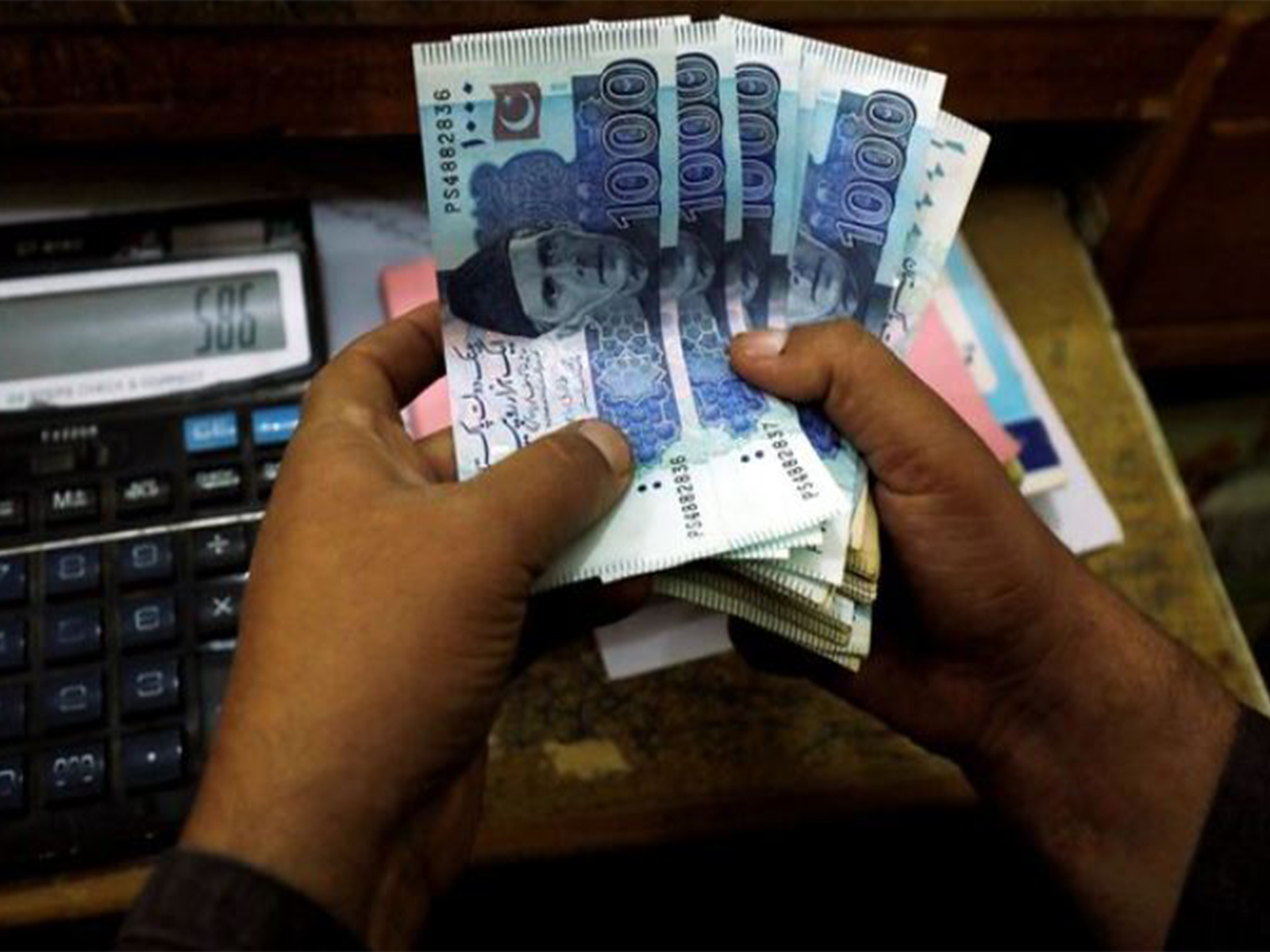
Lahore [Pakistan], June 24 (ANI): Civil society representatives, economists, labour leaders, and rights activists have sharply criticised Pakistan’s 2026-27 federal budget, describing it as an austerity-driven plan that places the burden of economic stabilisation on low-income households while neglecting labour rights and gender equality.
In a press release shared on X, HRCP stated that during a seminar organised by the Human Rights Commission of Pakistan (HRCP), participants argued that the government’s fiscal policies would worsen existing inequalities and further erode living standards for vulnerable communities.
Moderating the discussion, economist Dr Fahd Ali said reduced public spending on education, healthcare, nutrition, and social protection would deepen socio-economic disparities. He noted that worsening household consumption patterns and declining nutritional standards reflected growing economic hardship across the country. Dr Ali also stressed the need for stronger enforcement of labour protections, pointing out that the estimated living wage remains significantly higher than the statutory minimum wage.
Economist Dr Hadia Majid argued that the budget’s commitments to gender equality were largely symbolic. She said responsibility for key social sectors such as education, health, and protection had effectively been shifted to provinces already facing severe fiscal constraints. While allocations for the Benazir Income Support Programme (BISP) had increased, she maintained that the assistance remained insufficient to meet basic nutritional requirements.
Dr Majid further observed that tax relief measures announced in the budget were unlikely to benefit most women because of their limited participation in formal employment. She criticised the government for failing to address structural barriers that continue to restrict women’s economic opportunities despite poor indicators in maternal health, child survival, and girls’ education.
Labour leader and All Pakistan Trade Union Federation (APTUF) Secretary General Rubina Jamil accused the government of prioritising expenditures that offered little relief to working people. She said the budget lacked meaningful protections for contract workers, domestic workers, agricultural labourers, garment workers, pensioners, and employees in hazardous industries. (ANI)
Related reading