
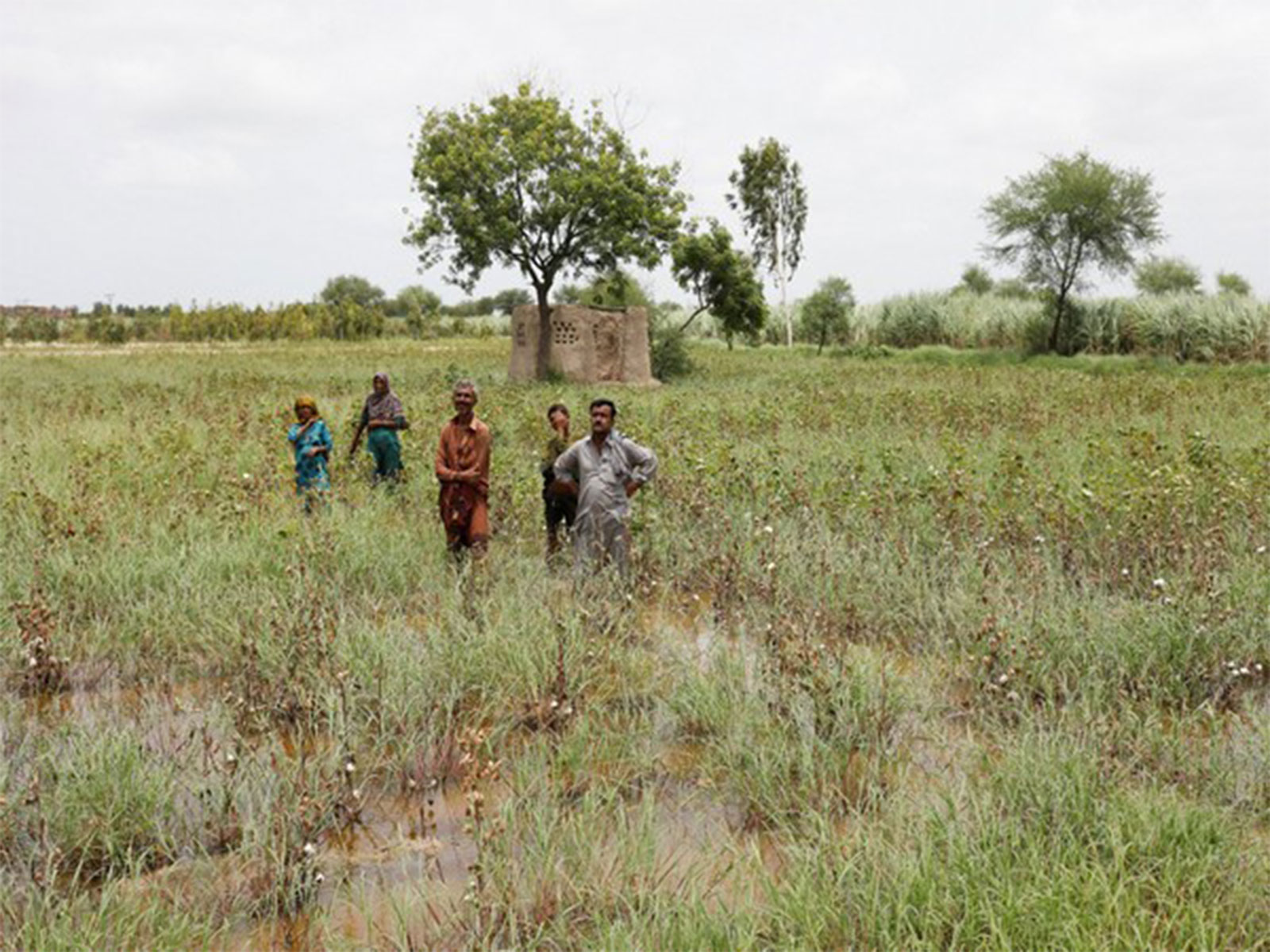
Khanewal [Pakistan], July 18 (ANI): Rapidly declining groundwater levels in Pakistan’s Khanewal district in Punjab province are emerging as a serious challenge for the agriculture sector, with farmers being forced to invest in deeper boreholes, high-capacity pumps and more expensive irrigation systems.
According to The Express Tribune, groundwater that was once available at shallow depths has receded significantly, driving up cultivation costs amid rising electricity, diesel and machinery prices.
As reported by The Express Tribune, farmers in Peerowal and surrounding areas say the falling water table has become one of the biggest obstacles to farming in South Punjab.
Many are now spending heavily on deeper tube wells and more powerful motors just to access water for irrigation.
The Express Tribune reported that agriculture experts attribute the crisis to declining rainfall, climate change, excessive groundwater extraction, the cultivation of water-intensive crops and the continued use of inefficient flood irrigation methods.
According to the report, Deputy Director Agriculture Khalid Mehmood said water scarcity is already reducing crop yields and farmers’ incomes.
He called for wider adoption of drip and sprinkler irrigation, the promotion of less water-intensive crops and increased rainwater harvesting to recharge groundwater reserves.
Experts quoted by The Express Tribune warned that if immediate corrective measures are not taken, Pakistan could face severe consequences, including drinking water shortages, declining agricultural production, drying tube wells and land subsidence.
Farmers also say reduced canal water supplies and falling groundwater levels are making it increasingly difficult to irrigate wheat, cotton, rice, maize and vegetable crops, while deteriorating soil fertility and crop quality are further affecting farm incomes.
Agriculture officials, The Express Tribune reported, have urged farmers to conserve water, adopt modern irrigation technologies, promote afforestation and support stricter regulation of groundwater extraction to protect the future of Pakistan’s agriculture sector.
The crisis has once again exposed Pakistan’s failure to ensure sustainable water management despite repeated warnings from experts. (ANI)
Related reading