Tehran [Iran], July 3 (ANI): US Central Command (CENTCOM) has convened a landmark regional security conference in Bahrain, bringing together military leaders from 12 nations, including unprecedented participation from Syria and Lebanon.
The high-level summit, hosted by the Bahrain Defence Force, aimed to fortify the Middle East’s unified air defence umbrella and secure vital maritime shipping lanes.
However, the American-led initiative immediately drew fierce condemnation from Tehran, exposing deep geopolitical fault lines over who should police the volatile region.
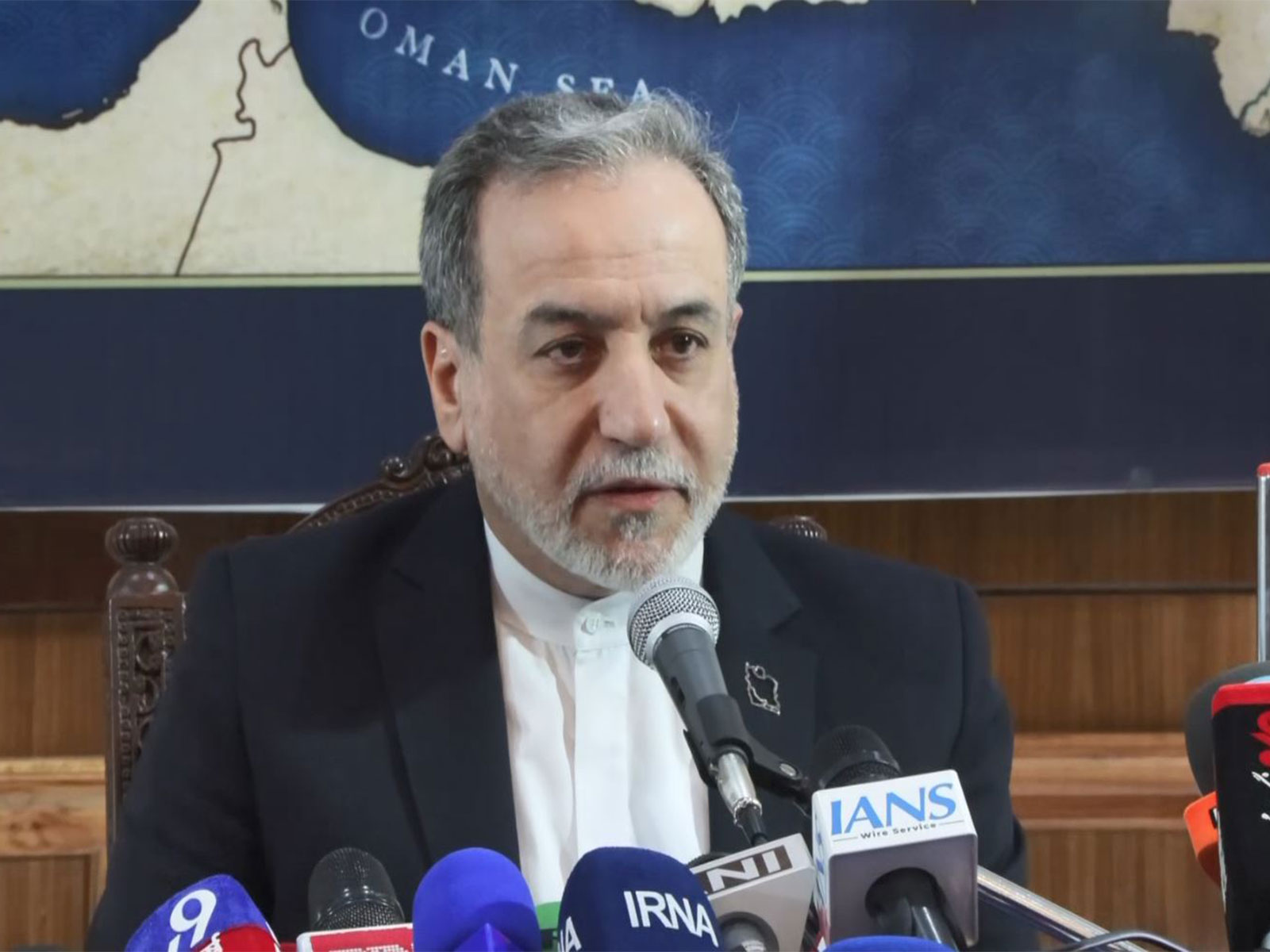
Responding sharply to the military gathering in Manama, Iranian Foreign Minister Seyed Abbas Araghchi firmly rejected the notion that Western intervention brings stability to West Asia.
Taking to X, Araghchi argued that lasting peace can only be achieved internally, without the shadow of the Pentagon.
“Has CENTCOM brought security or insecurity to our region? The answer is clear,” Araghchi stated. “Equally, our Powerful Armed Forces have proven that outsiders cannot even protect themselves. Peace in our region can only be sustained when comprehensive and inclusive, with no outside interference.”
https://x.com/araghchi/status/2072751070984462423
Earlier, Iran’s Deputy Foreign Minister for Legal and International Affairs, Kazem Gharibabadi, strongly criticised the US-led regional security summit in Bahrain, rejecting Western attempts to allegedly dictate security frameworks in the Persian Gulf and the strategic Strait of Hormuz.
In a post on X, Gharibabadi dismissed both the legitimacy of the military summit and the authority of the American command structure in the region, asserting that “Hormuz is defined under Iran’s command, not CENTCOM.” He maintained that a military summit in Bahrain cannot establish “legal order and security for the Persian Gulf”.
The Iranian diplomat emphasised that long-term stability in West Asia cannot be achieved through foreign military coalitions, affirming that regional security must be managed internally by neighbouring states, “not under the military umbrella of America.”
“Hormuz is defined under Iran’s command, not CENTCOM. A military summit in Bahrain cannot establish legal order and security for the Persian Gulf. The region’s security will be ensured through the end of interventions and the US withdrawal from the area, respect for countries’ sovereignty, and acceptance of new geopolitical realities–not under the military umbrella of America,” he said.
Both of the Iranian officials’ remarks follow the US Central Command (CENTCOM) announcement that top military leaders from a dozen nations, including the United Arab Emirates, Saudi Arabia, Qatar, Lebanon, and Syria, had convened in Bahrain to reinforce their “commitment to the free flow of commerce” through the strategic waterway.
CENTCOM on Wednesday (local time) spearheaded a security dialogue hosted by the Bahrain Defense Force, bringing together top military officials from 12 nations to address the current security landscape in West Asia.
In a post on X, CENTCOM stated that the high-level conference featured discussions led by Adm. Brad Cooper, commander of CENTCOM, alongside senior military representatives from Bahrain, Egypt, Jordan, Kuwait, Lebanon, Oman, Qatar, Saudi Arabia, Syria, the United Arab Emirates, and Yemen.
A central focus of the meeting was the shared commitment among the nations to safeguard the free flow of commercial shipping through the Strait of Hormuz, a critical global maritime chokepoint.
“Adm. Brad Cooper, CENTCOM commander, and senior military officials from Bahrain, Egypt, Jordan, Kuwait, Lebanon, Oman, Qatar, Saudi Arabia, Syria, the United Arab Emirates, and Yemen discussed the current regional security environment and opportunities for enhancing defense collaboration across the region. Leaders underscored their shared commitment to the free flow of commerce through the Strait of Hormuz,” it said on X. (ANI)
Related reading