Abu Dhabi [UAE], June 3 (ANI): Amid a fourth round of US-mediated direct talks between Israeli and Lebanese officials in Washington, intense cross-border hostilities persisted on Tuesday, highlighting the deep-seated challenges facing diplomatic initiatives to halt the months-long regional escalation.
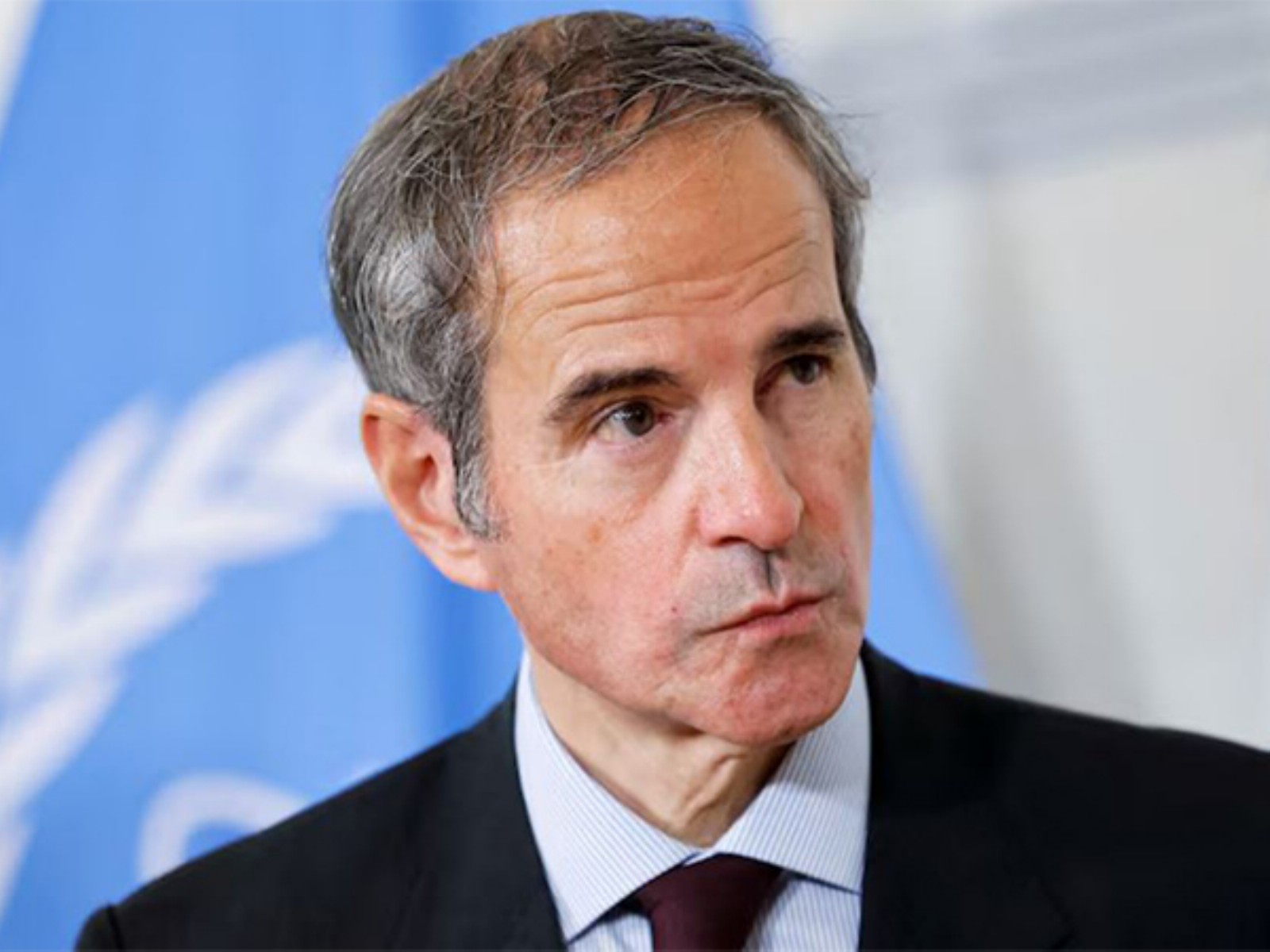
Concurrently, international observers are monitoring how the broader conflict intersects with regional nuclear security. According to Al Jazeera, International Atomic Energy Agency (IAEA) chief Rafael Grossi revealed during a visit to the United Arab Emirates that several previously active nuclear initiatives in Iran have now ceased, noting that the ongoing conflict and the targeting of Tehran’s assets have fundamentally shifted intelligence assessments regarding Iran’s nuclear trajectory.
Against the backdrop of these changing regional dynamics, delegates from Lebanon and Israel gathered at the US State Department for direct negotiations. Addressing the situation before a US Senate Foreign Relations Committee hearing, US Secretary of State Marco Rubio expressed confidence that a rapid bilateral solution is achievable. Rubio told the panel that “Israel and Lebanon can do a peace deal tomorrow,” while maintaining that “Israel has no territorial claims in Lebanon. Hezbollah is the impediment.”
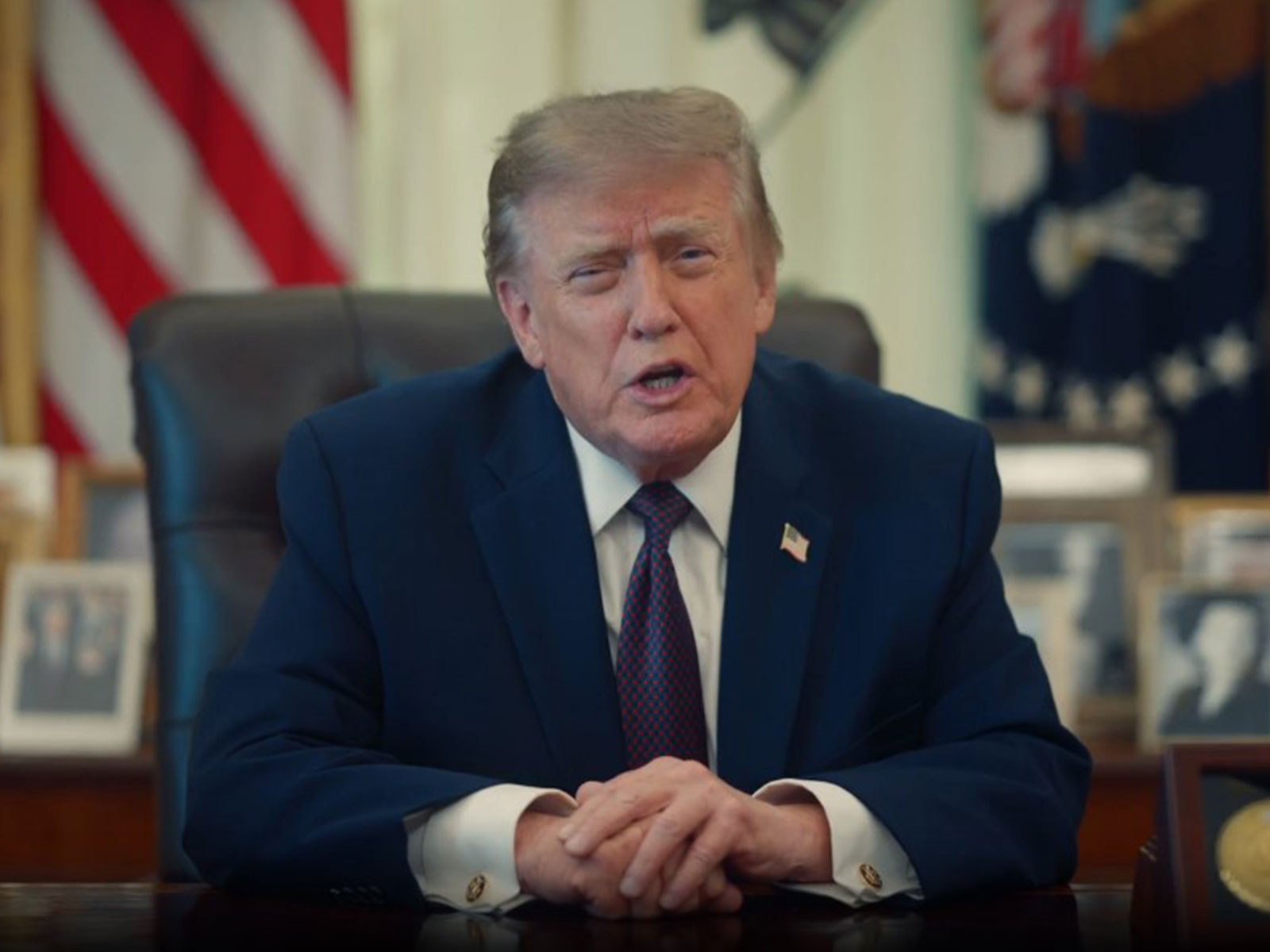
The continued violence on the ground follows an announcement by US President Donald Trump regarding a brokered understanding between the warring factions. According to details provided by the Lebanese embassy in Washington, the proposed framework would initially restrict Israeli operations against Beirut and halt Hezbollah strikes on Israeli soil before potentially expanding to other regions.
The immediate need for this diplomatic framework stems from how the active hostilities originally erupted. The conflict began after Hezbollah initiated operations against Israel on March 2, asserting it was acting in alignment with Iran, which subsequently pulled Lebanon into a broader regional confrontation.
Thus far, however, neither Israel nor Hezbollah has formally accepted the terms presented by the US President.
Despite this lack of formal endorsement and intense domestic resistance from Hezbollah, Lebanese Prime Minister Nawaf Salam defended the continuation of the Washington dialogue, describing the ongoing diplomatic engagement as “the least costly choice for Lebanon”.
While Lebanon seeks a bilateral path forward, Washington is attempting to isolate the conflict from wider regional disputes. Secretary Rubio emphasised that Washington intends to keep the Israel-Lebanon negotiations entirely ring-fenced from parallel diplomatic engagements involving Iran.
Tehran, however, has consistently linked the two conflict zones. The Iranian government has cautioned that Israel’s intensified ground campaign in Lebanon could completely unravel the active US-Iran ceasefire that has been maintained since April 8.
This warning comes as the military confrontation has reached unprecedented severity on the ground. Israeli ground forces have been pushing their deepest offensive into Lebanese territory in nearly two decades.
Citing what he termed as Hezbollah’s “repeated violations” of a nominal ceasefire that had been technically active since April 17–though continuously breached by both sides–Israeli Prime Minister Benjamin Netanyahu recently authorised a renewed bombing campaign against Beirut’s southern suburbs.
This aggressive military posture has reportedly created friction within the US-Israel diplomatic channel. A report published by Axios revealed that President Trump vehemently pressured Netanyahu to halt the strikes. During a heated telephone exchange, Trump reportedly called the Israeli Prime Minister “fucking crazy” and cautioned that further escalations could jeopardise the broader diplomatic track with Iran.
Following this diplomatic friction, Tel Aviv sought to clarify its position on the ongoing military operations. Israeli Defence Minister Israel Katz stated that Tel Aviv had established “a new equation” with Washington’s backing, under which air operations against Hezbollah’s strongholds in Beirut’s southern suburbs would persist if the group continued targeting northern Israeli towns.
As Israel maintains its military posture, the geopolitical fallout continues to expand to parallel diplomatic developments. Iran’s Tasnim news agency stated that Tehran had frozen its direct peace talks with Washington due to the Israeli offensive in Lebanon.
President Trump, however, swiftly dismissed the claim from the Iranian media. He asserted that communication channels between the United States and Iran remained active “continuously,” including over the past 48 hours.
While leaders debate these political and diplomatic tracks, the humanitarian situation on the ground remains critical for civilians trapped in the combat zones.
Adding to the displacement crisis, the Israeli military has issued statements alleging that Hezbollah operatives are blending into Tyre’s Christian quarter. The military warned that mass evacuation orders could be enforced if the group continues to operate from the historic district.
This warning threatens to displace thousands more who have nowhere else to go. Several thousand civilians remain inside Tyre’s historic sectors, while severe overcrowding in local shelters has already forced a significant number of internally displaced people to seek refuge in temporary tents and vehicles.
The staggering human cost of the ongoing impasse is heavily reflected in the latest official casualties. According to data released by Lebanon’s health ministry, Israeli military operations have claimed the lives of at least 3,468 individuals since March 2, reflecting an increase of 35 fatalities within a 24-hour window. Over the exact same timeframe, a total of 26 Israeli soldiers and one civilian military contractor have been killed. (ANI)
Related reading