Auckland [New Zealand], July 11 (ANI): Announcing a major leap in security cooperation, Prime Minister Narendra Modi on Saturday said that India and New Zealand have resolved to fight terrorism “shoulder to shoulder” by establishing a dedicated Joint Working Group, while simultaneously strengthening their commitment to a free and open Indo-Pacific and comprehensive reforms in the United Nations.
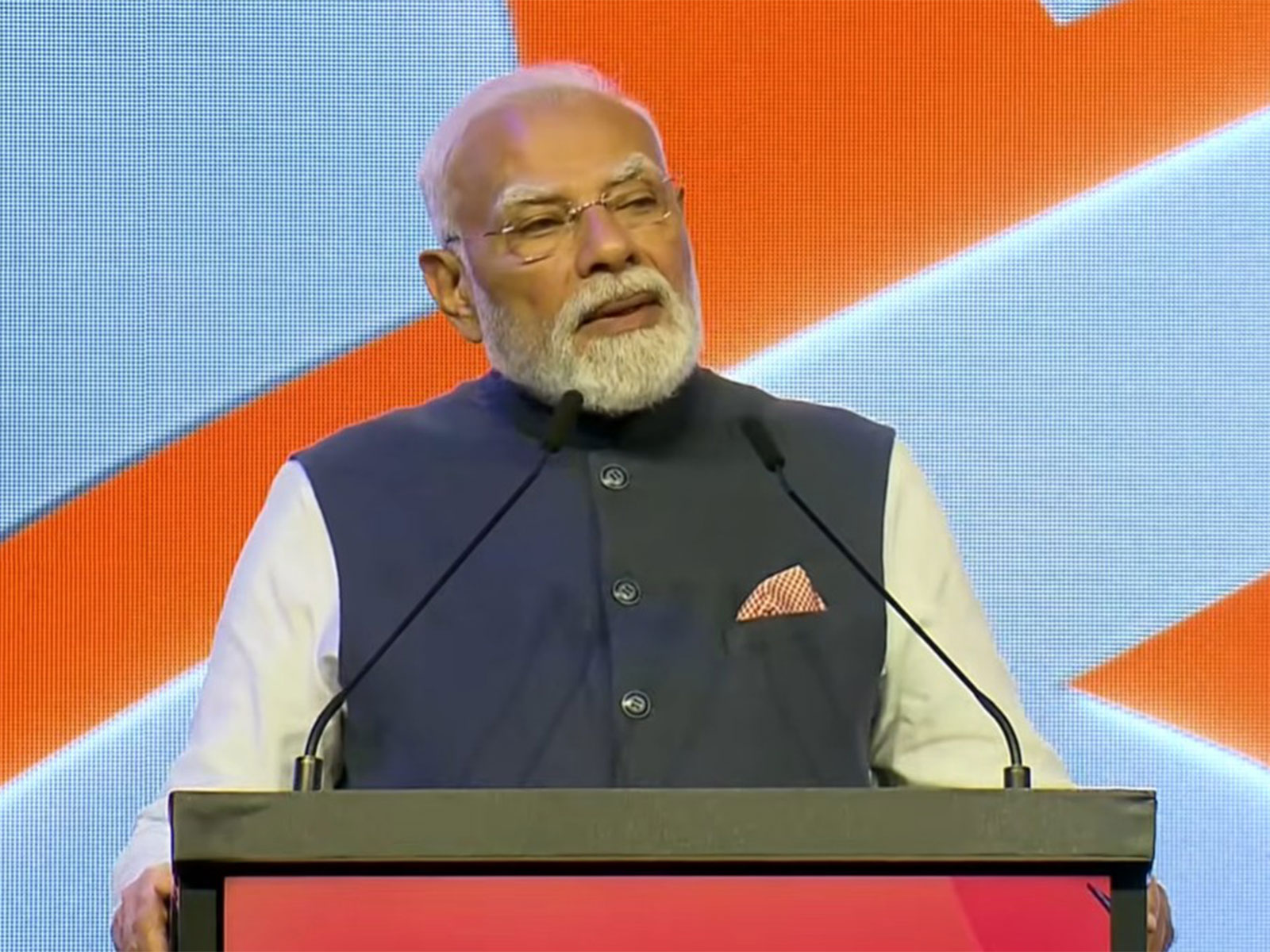
Addressing a Gala Lunch hosted in his honour by New Zealand Prime Minister Christopher Luxon in Auckland, PM Modi highlighted that the two nations stand as reliable partners capable of navigating contemporary global challenges together.
“Friends, on the global stage as well, India and New Zealand are reliable partners and close friends. We believe that to face the challenges of the current times, reform is necessary in global institutions, including the UN. To move forward shoulder to shoulder on the issue of terrorism, we have formed a Joint Working Group today. Cooperation between India and New Zealand is extremely important for peace, stability, and security in the Indo-Pacific,” PM Modi said.
Reflecting these priorities, the India-New Zealand Joint Statement reaffirmed both countries’ commitment to “a free, open, peaceful, and prosperous Indo-Pacific region, where sovereignty and territorial integrity are respected, and the rules-based international order is upheld.”
The two leaders also reaffirmed “freedom of navigation and overflight” in accordance with international law, particularly the 1982 United Nations Convention on the Law of the Sea (UNCLOS), and stressed the importance of the peaceful resolution of disputes through dialogue and international law.
On multilateral cooperation, the Joint Statement emphasised the need for “bold and effective UN reform” and affirmed support for the expansion of the UN Security Council in both permanent and non-permanent categories. New Zealand also reaffirmed its support for India’s permanent membership of a reformed and expanded UN Security Council.
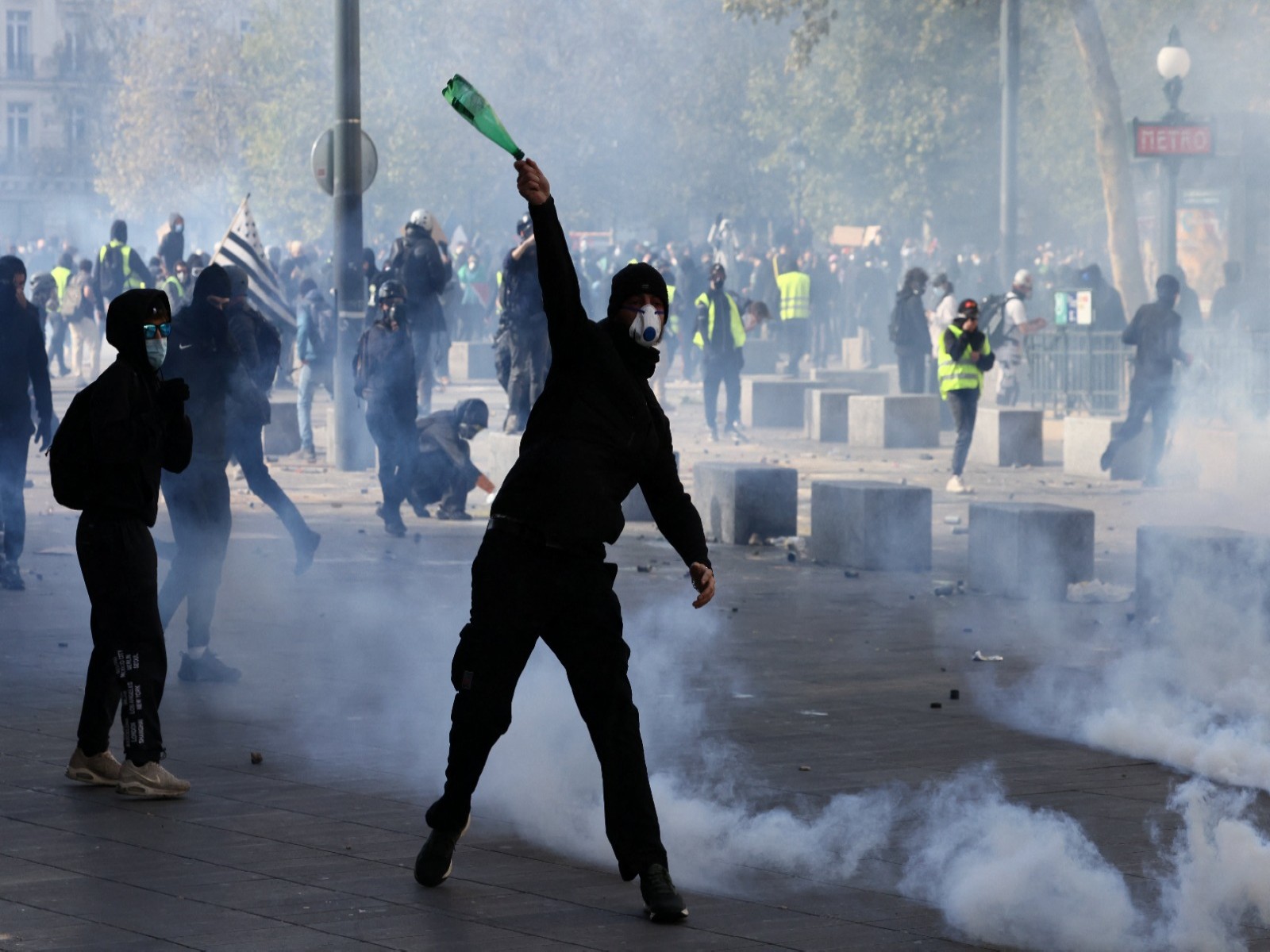
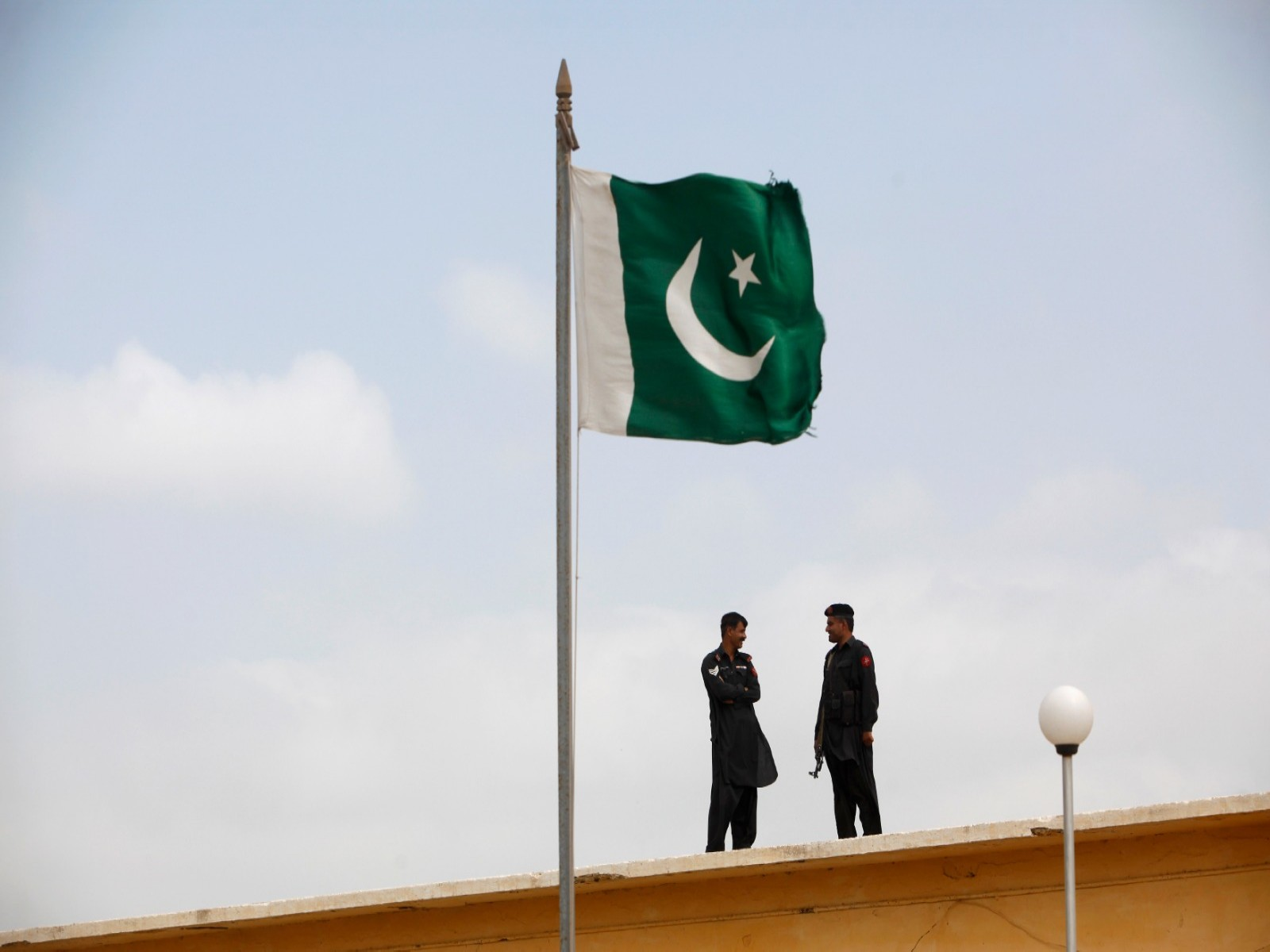
The two Prime Ministers also reiterated their “absolute condemnation of terrorism in all its forms and manifestations, including cross-border terrorism,” while strongly condemning the terrorist attack in Pahalgam in Jammu and Kashmir on April 22, 2025, and the terror incident near Red Fort in New Delhi on November 10, 2025.
Calling for a “zero-tolerance and consistent approach to terrorism,” the leaders stressed the need to dismantle terror infrastructure, disrupt terrorism financing networks and safe havens, and bring perpetrators to justice swiftly.
The Joint Statement welcomed the signing of the Memorandum of Arrangement establishing a Joint Working Group on Counter-Terrorism, which will provide a framework for information and knowledge sharing between the two countries.
The two leaders also reaffirmed their commitment to strengthening cooperation in multilateral forums, including the United Nations and the Financial Action Task Force (FATF), and stressed the urgent need for all countries to take “immediate, sustained, concerted, and concrete action” against UN-proscribed terrorist organisations, their affiliates, proxies, sponsors, financiers and backers.
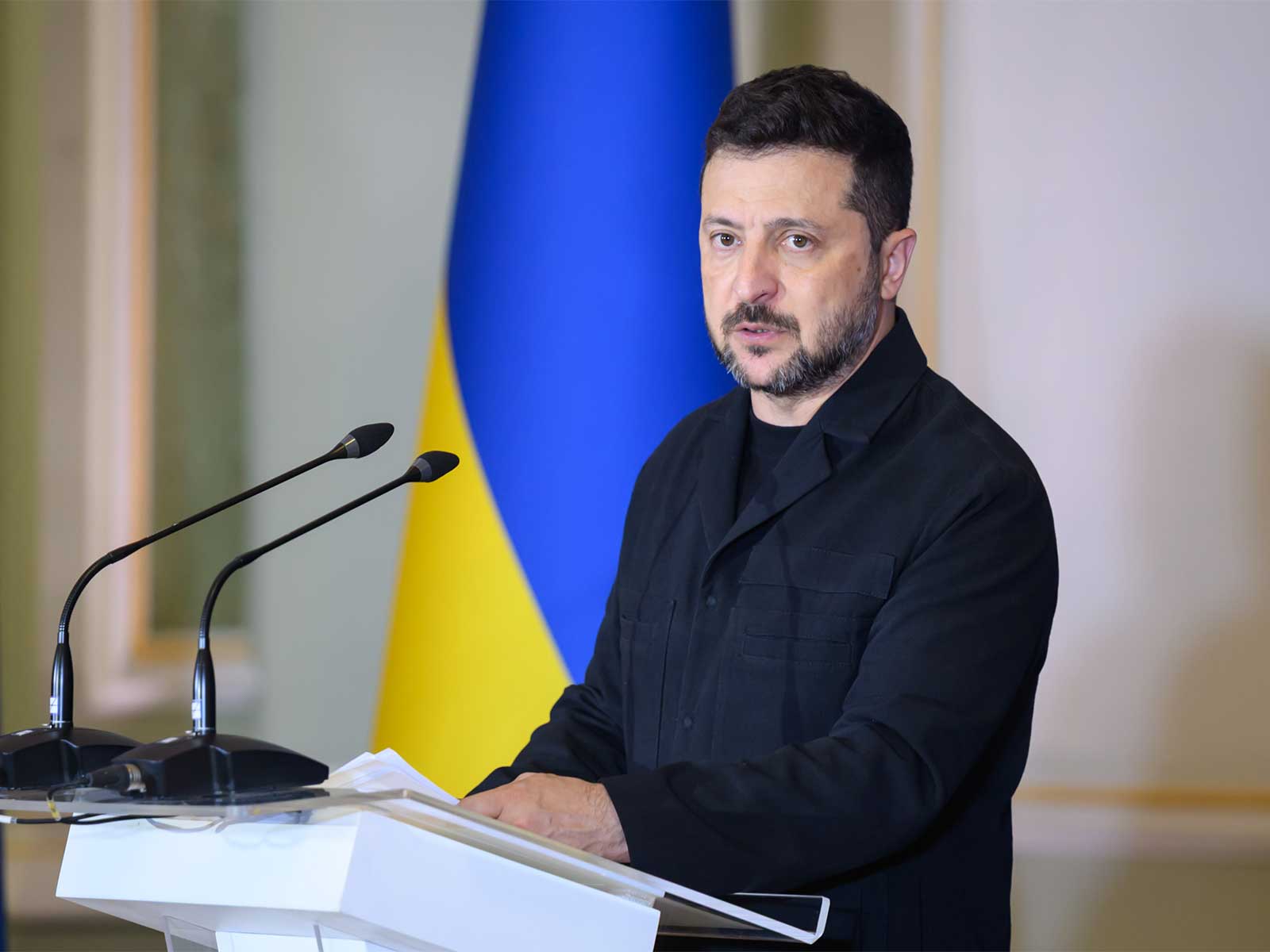
Beyond security, the Joint Statement underscored cooperation through ASEAN-led regional mechanisms, support for ASEAN centrality, resilient global supply chains, universal nuclear disarmament and non-proliferation, and the importance of dialogue and diplomacy in addressing conflicts, including those in the Middle East and Ukraine.
Prime Minister Narendra Modi is on a two-day official visit to New Zealand from July 10-11 at the invitation of Prime Minister Christopher Luxon. The visit, the first by an Indian Prime Minister to New Zealand in 40 years, saw the two countries elevate ties to a Strategic Partnership and adopt a Roadmap to 2030 for enhanced cooperation across trade, defence, technology, security and regional affairs. (ANI)
Related reading