
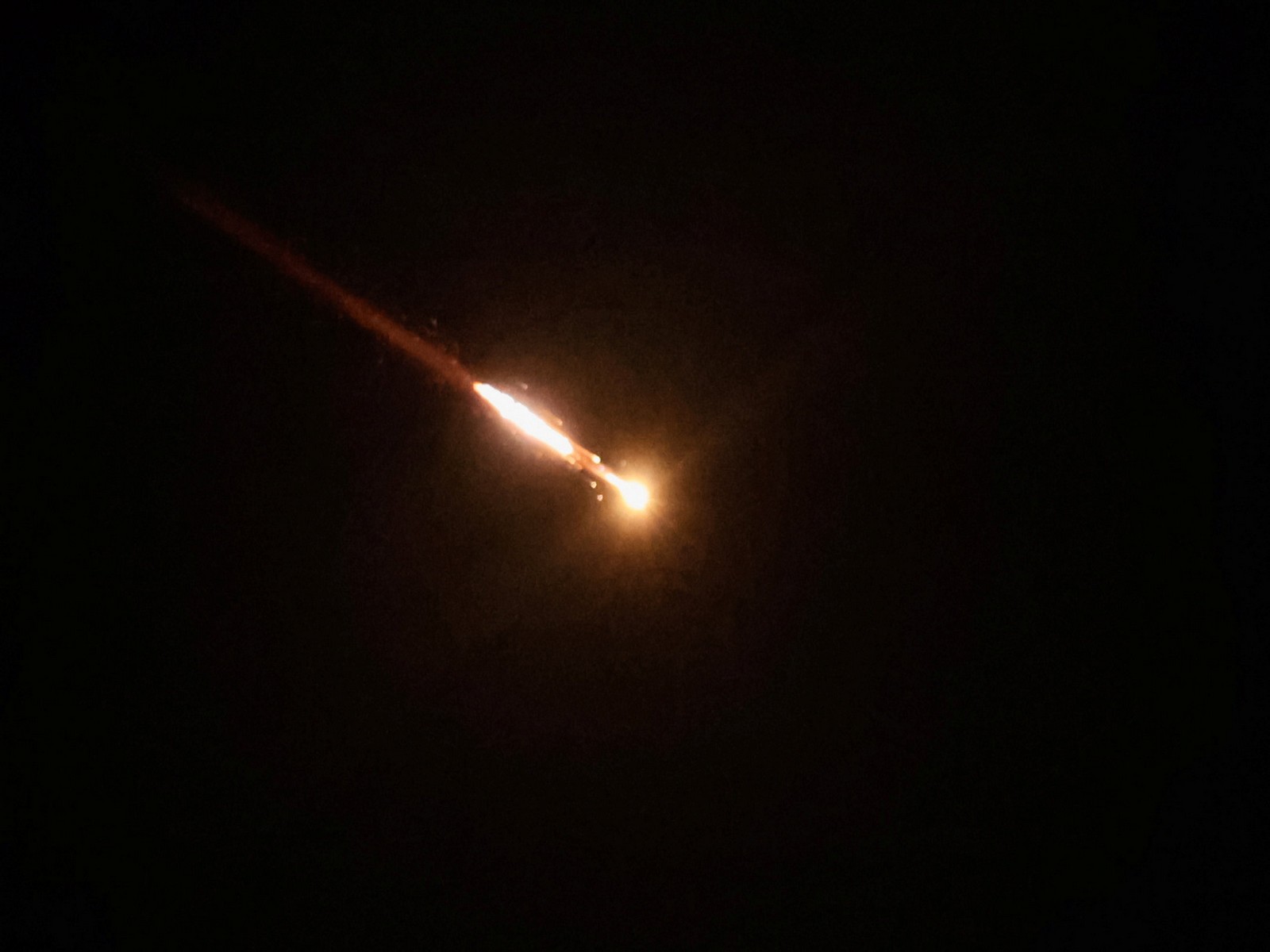
Kuwait City [Kuwait], June 6 (ANI): The Kuwaiti military has announced that it is actively countering incoming “hostile” missile and drone strikes, an escalation that comes just days after a separate unmanned aerial vehicle assault targeted the nation’s primary international aviation hub, claiming the life of one “Indian national” and leaving numerous individuals wounded.
In an official update posted on the social media platform X, the armed forces confirmed that “Kuwaiti air defenses are currently confronting hostile missile and drone attacks.” However, the statement refrained from identifying the source or origin of the incoming threats.
https://x.com/KuwaitArmyGHQ/status/2063061352906666440
As detonations rattled across areas of the country, defence authorities have reassured the public regarding the operational activity of their protective shield networks.
“The General Staff of the Kuwaiti Armed Forces confirms that any explosions that may be heard are the result of air defence systems intercepting hostile attacks,” the Kuwait Army stated.
Simultaneously, the volatile security situation has triggered emergency protocols across other sectors of the Persian Gulf, with widespread panic reported as defensive alerts sounded in nearby territories.
Air raid sirens have been activated in the Gulf island kingdom of Bahrain, according to an official update released by its interior ministry.
This rapid sequence of alerts, highlighting a potential cross-border escalation, has occurred against a backdrop of fresh regional hostilities, intensifying anxieties regarding a broader geopolitical conflagration in West Asia.
The fatal airfield strike earlier in the week directly set the stage for the wider regional alarm, as immediately following the alerts in Kuwait, defensive sirens were sounded in Bahrain, indicating a possible drone or missile attack.
Underscoring this synchronised threat landscape, the latest wave of regional instability surged after Tehran deployed a volley of unmanned aerial systems towards the crucial Strait of Hormuz on Saturday.
As these aerial assets moved through the vital corridor, international forces intervened. According to the US Central Command (CENTCOM), American military assets successfully engaged and downed at least four of the inbound platforms.
American defence sources indicated that the one-way loitering munitions were apparently directed at either merchant shipping traversing the vital maritime corridor or US military assets operating in the area.
Affirming the necessity of the mid-air interception, CENTCOM maintained that the aerial systems presented a direct hazard to shipping lanes across the sector.
This direct military friction between Washington and Tehran underscores another sharp spike in tensions, occurring despite a nominal truce framework and ongoing, concurrent diplomatic tracks intended to halt the broader conflict
Rather than maintaining stability, both Washington and Tehran have repeatedly traded accusations over purported violations of the temporary truce, which had been designed to suppress weeks of volatile engagements sweeping across West Asia.
US military officials noted that those projectiles were successfully neutralised and failed to inflict any substantial structural damage before the latest weekend strikes. (ANI)
Related reading