Tehran [Iran], August 5 (ANI): Iran has said that negotiations with Oman alone would not be sufficient to restore normal operations in the Strait of Hormuz, asserting that broader conditions, including an end to US actions against Tehran, must be met before the strategic waterway can return to normal.
According to Fars News Agency, a source close to the Iranian negotiating team said that even if the ongoing Iran-Oman talks result in a bilateral agreement, the “necessary conditions” for securing and reopening the Strait of Hormuz would still not be fulfilled.
“The Strait has been closed due to America’s breach of agreement, and without providing all the prerequisites, halting U.S. attacks on Iran, and fulfilling the conditions, the status of the Strait will not return to the way it was one month ago,” the source was quoted as saying.
The source further claimed that Iran’s negotiations are exclusively with Oman regarding future arrangements for managing the Strait of Hormuz and that Tehran is not engaged in direct negotiations with the United States.
According to Fars, the discussions between Iran and Oman are centred on a proposed middle corridor that would safeguard Iran’s interests while also addressing Oman’s concerns over maritime navigation through the strategically important waterway.
The report further alleged that conflicting signals from US officials, delivered directly or through regional partners, had complicated the negotiation process, raising concerns in Tehran that outside interference could delay or derail the talks.
Meanwhile, Al Jazeera, citing unnamed Israeli sources, reported that US President Donald Trump and his advisers are seeking an agreement with Iran “at any cost.” The report added that Israel was receiving much of its information regarding the negotiations indirectly from Washington.
The diplomatic developments come amid reports highlighting concerns over the United States’ military readiness should tensions escalate further.
According to CNN, the US military has depleted nearly 80 per cent of its Terminal High Altitude Area Defense (THAAD) interceptor inventory and roughly half of its Patriot missile interceptors since the conflict with Iran began, citing multiple sources familiar with Pentagon assessments.
CNN reported that senior US military commanders have warned that the Pentagon’s stockpile of critical munitions is “dangerously low,” with air defence systems being significantly depleted during operations linked to the conflict.
The report also said Gulf countries have expressed concern that shrinking US interceptor inventories could undermine their own ability to defend against possible Iranian missile and drone attacks if regional hostilities intensify.
According to CNN, these concerns contributed to President Trump’s decision over the weekend to suspend planned military strikes against Iran after consultations with Gulf allies, who warned of possible retaliation targeting regional energy infrastructure.
Despite the reported shortages, White House spokesperson Anna Kelly told CNN that the US military has “more than enough munitions, ammo, and stockpiles to serve all of President Trump’s strategic goals and beyond.”
Chief Pentagon spokesperson Sean Parnell similarly maintained that the US military retains the capabilities required to conduct operations “at the time and place of the President’s choosing.”
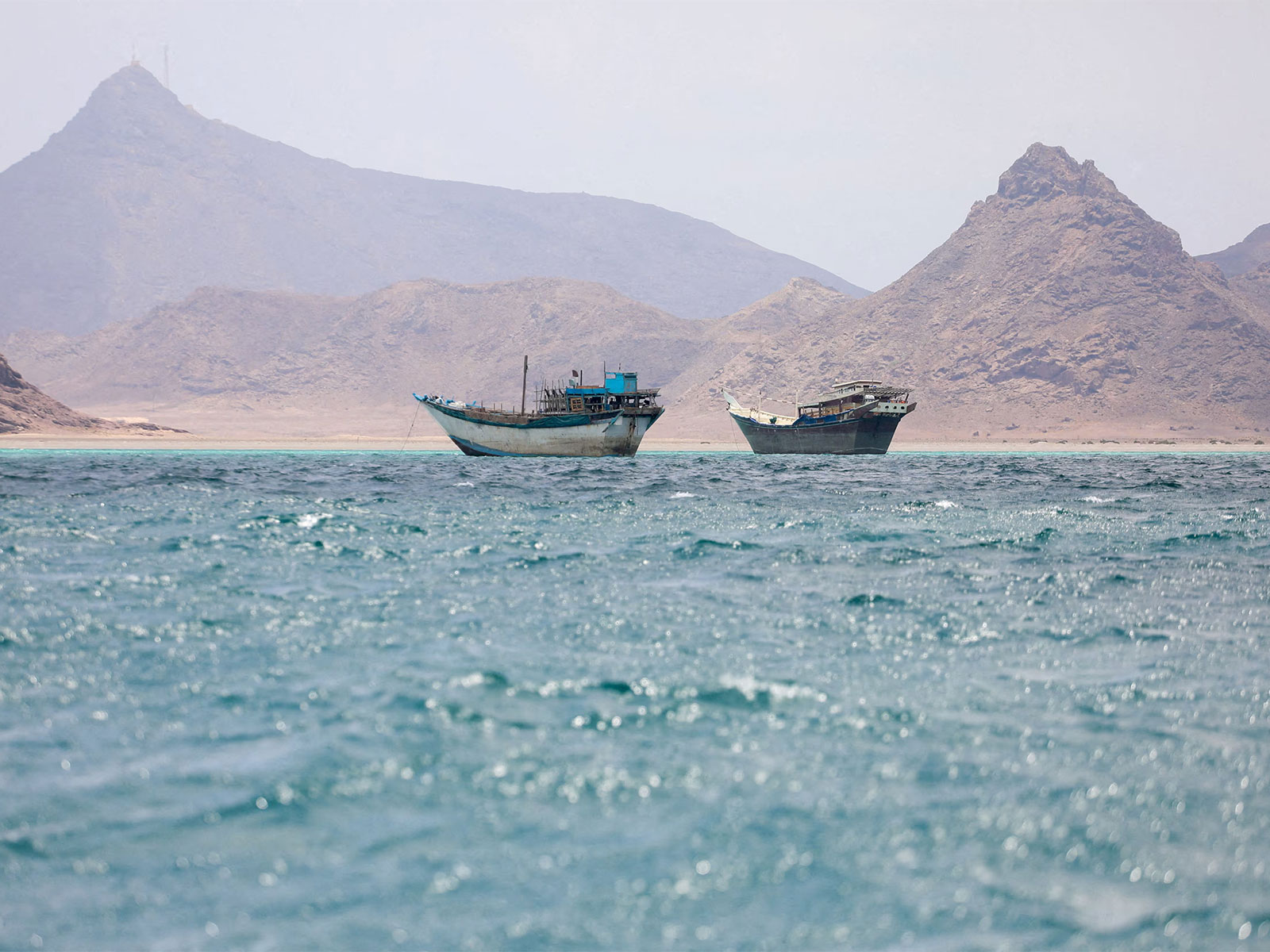
The Strait of Hormuz remains one of the world’s most critical maritime chokepoints, handling a significant share of global oil and liquefied natural gas shipments, making its security central to international energy markets and regional stability. (ANI)
Related reading