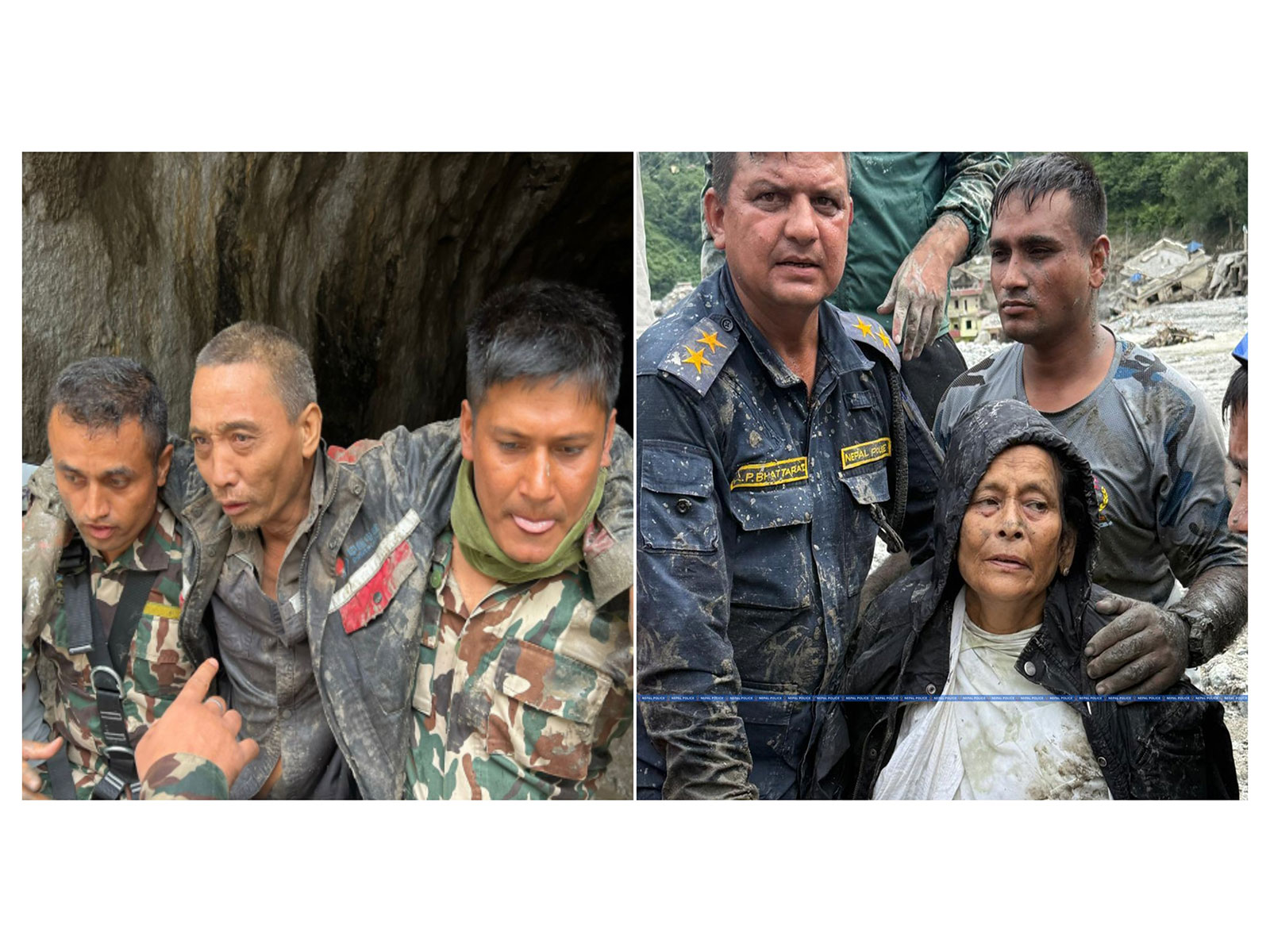
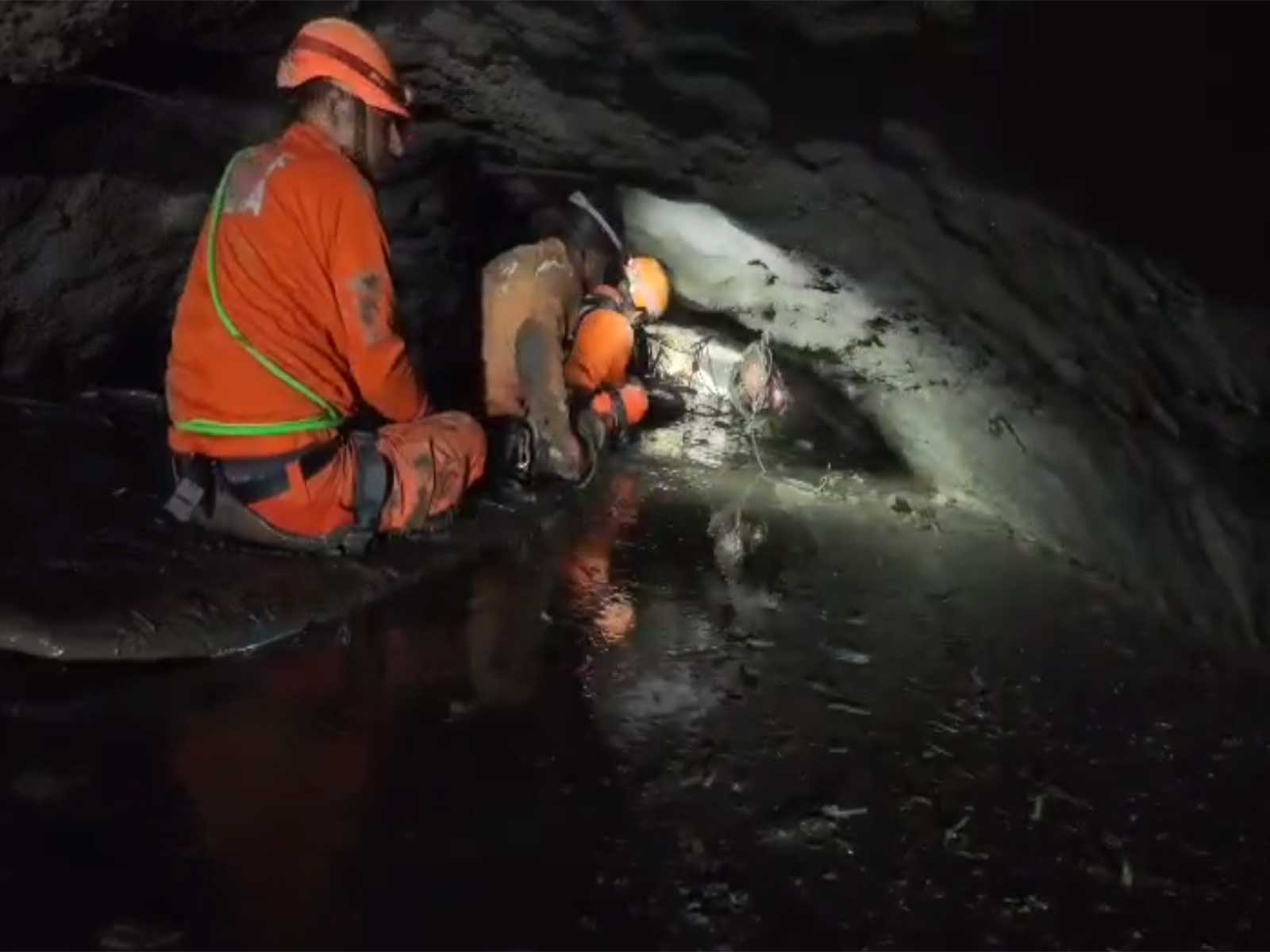
Kathmandu [Nepal], September 5 (ANI): The joint Indian-Nepali rescue team continued efforts to clear debris, water and mud from the Chilime tunnel in Nepal’s flood-affected Rasuwa district, with an approach path for heavy machinery steadily taking shape, the Ministry of External Affairs (MEA) said.
The MEA said the joint technical team from India continued to address challenges related to terrain and access during the rescue efforts at Chilime. A 3-ton excavator was moved in parts to Syabrubesi, where it will be assembled and moved forward to the Chilime tunnel once the makeshift path is fully ready.
Meanwhile, manual removal of slush and debris from the tunnel continued. Australian tunnel expert Arnold Dix also visited the site and interacted with the team.
On the other fronts of relief operations, a reefer truck sent from India was deployed in Nuwakot to support the preservation and management of mortal remains.
The Indian forensic team, working through two laboratories in Kathmandu, also helped accelerate the extraction of DNA samples, along with their analysis and finalisation of profiles, the MEA said.
Meanwhile, the Indian Embassy in Nepal, in a post on X, shared visuals of the ongoing rescue operation inside the Chilime Surung tunnel and said, “Watch the ongoing rescue operation inside the Chilime Surung tunnel, where the Indian rescue team is continuing its efforts in close coordination with the Nepali Army. Despite heavy snowfall, rain, and slush, the joint 🇮🇳 🇳🇵 team is steadfastly carrying on with their work.”
Earlier, the Embassy had shared, “Take a look at the ongoing rescue operations being carried out by the Indian rescue team in close coordination with the Nepali Army, inside the Chilime Tunnel. The joint team 🇮🇳 🇳🇵continues their work despite challenges posed by heavy debris, water and mud.”
India’s Ambassador to Nepal, Naveen Srivastava, said that the joint Indian-Nepali rescue team was continuing to remove heavy debris, water and mud from the tunnel.
“India & Nepal rescue team continue to remove heavy debris, water & mud, which in the interior has reached close to the roof of the Chilime tunnel. This would allow heavy machinery to be taken deep in the tunnel. In parallel work is also underway to make access road from nearby Syafrubesi to tunnel portal. Given the difficult terrain & narrow valley heavy helicopter usage is not possible. Access road would allow an excavator to be brought to the site and assist rescue operations,” Srivastava said in a post on X.
In an earlier post on X, Srivastava said, “The Indian tunnel rescue team working alongside with Nepali Army dug deeper into Chilime tunnel yesterday draining out water. A temporary track is also being made to allow more heavy equipment to reach tunnel; and doctors with the team held a health camp for the local community.”
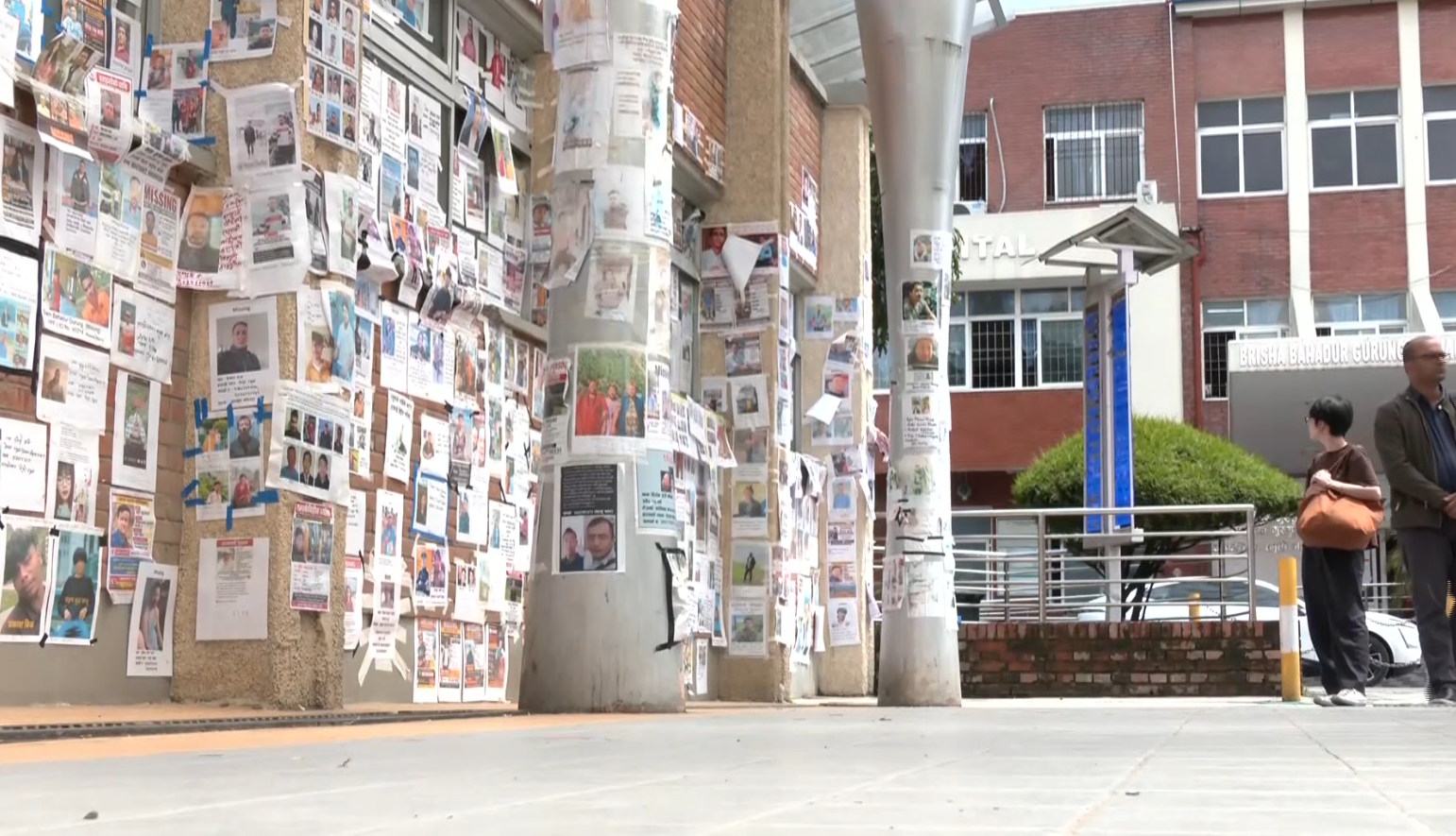
Meanwhile, at the Tribhuvan University Teaching Hospital (TUTH) in Kathmandu, the walls were filled with photographs of individuals who remained missing in the devastating flash floods. Families and relatives continued to visit the hospital morgue and administrative blocks in the hope of receiving updates or identifying their loved ones.
In Nuwakot, Trishuli Bazar was gradually returning to life as debris-clearing operations continued following the flash floods. Residents whose homes and shops had suffered comparatively less damage had started returning, while several shopkeepers had reopened their establishments after clearing mud and debris.
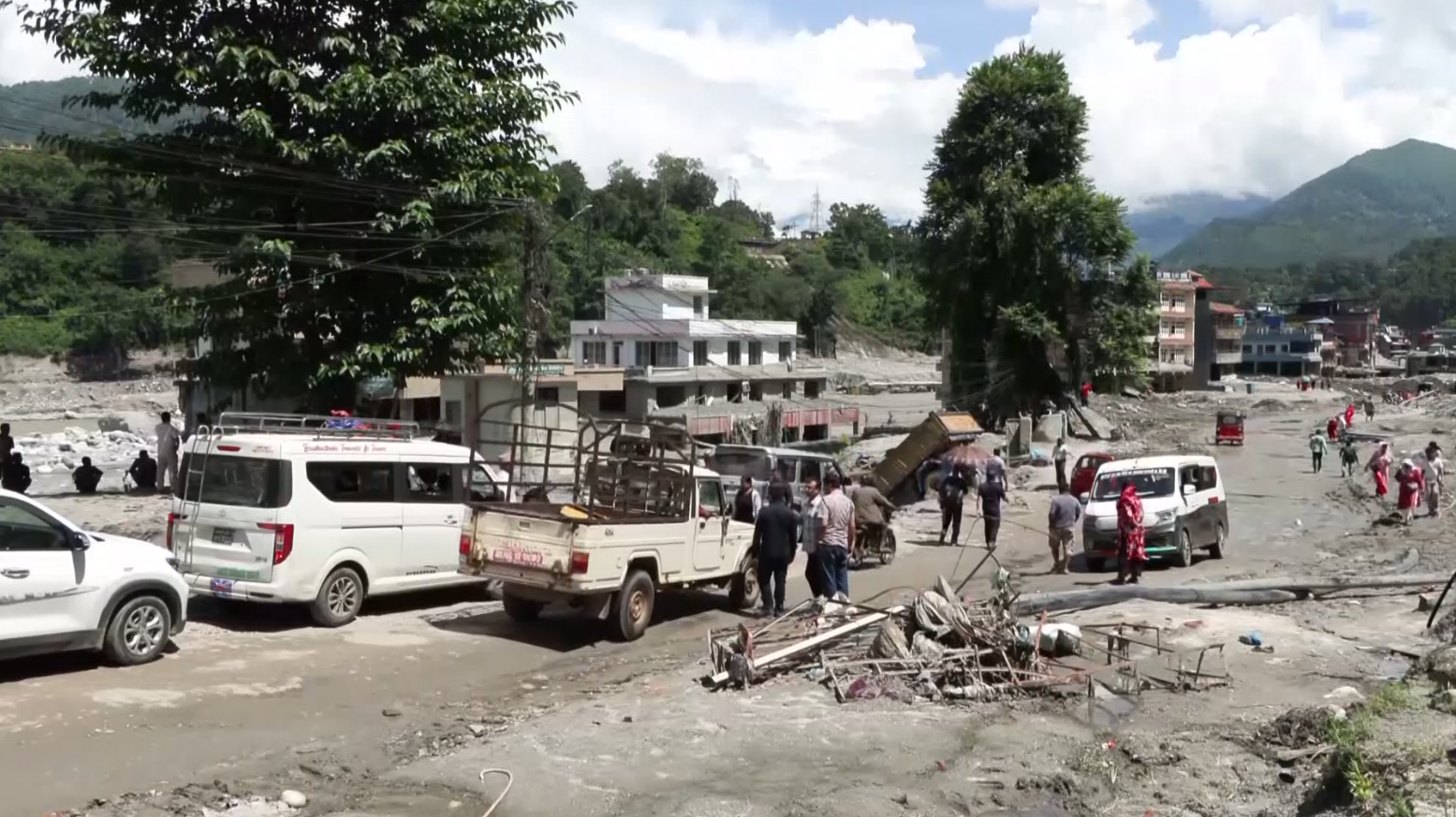
Local shop owner Hari Adhikari said the devastation had wiped out his livelihood and destroyed all four of his houses, forcing him to return to his shop to support his family.
Speaking to ANI, he said, “My shop has agricultural and livestock supplies; I also deal in veterinary medicines… Apart from the shop, I had four houses; all four were completely destroyed… I had to get back to business to provide for the family. I cleaned up the place, and now I’m looking after it.”
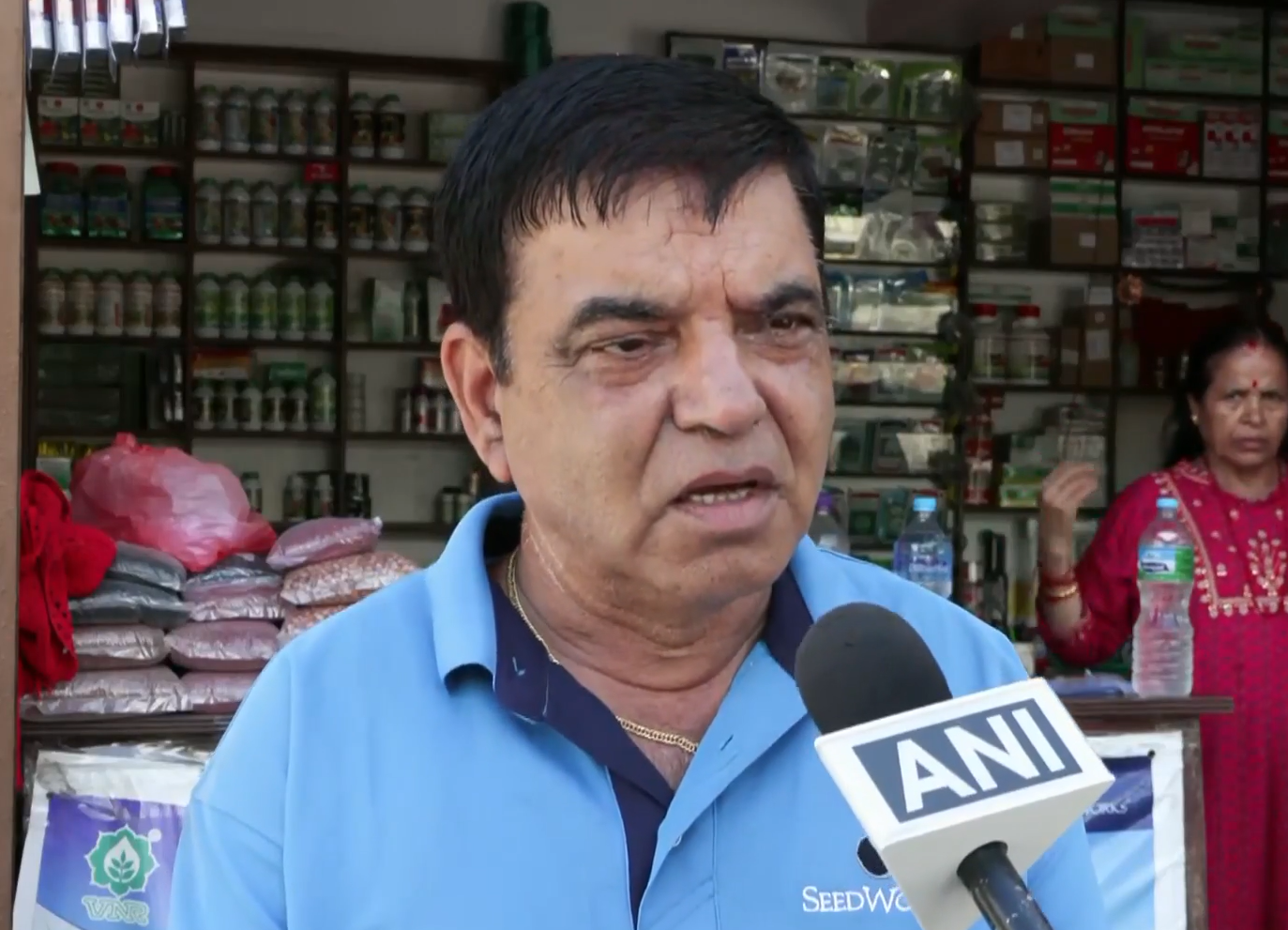
Adhikari said the scale of losses was immense, estimating that a single family could suffer losses of Rs 8-10 crore. He added that many people in the area remained missing and residents were extremely distressed by the devastation.
He added, “The losses are immense; a single family would suffer a loss of at least Rs 8 to 10 crore… The government has provided a lot of help, though… Many people are missing here… everyone is extremely distressed about this… I never even imagined that things would come to this pass.”
According to the latest update issued by the National Disaster Risk Reduction and Management Authority (NDRRMA), the number of human casualties stood at 1,331, compared with 1,344 in its noon update.
The latest update said around 5,000 people are still missing.
A total of 13,101 people have been rescued so far, including 304 foreigners.
Amid catastrophic flash floods, the Nepalese Army and international teams are mounting massive Humanitarian Assistance and Disaster Relief (HADR) operations to reach isolated communities in the Himalayan nation. (ANI)
Related reading