New York [US], November 25 (ANI): India has called for a human-centric and responsible approach towards the use of emerging technologies, particularly artificial intelligence (AI), in conflict situations, stressing that human judgement and oversight must remain central to their application.
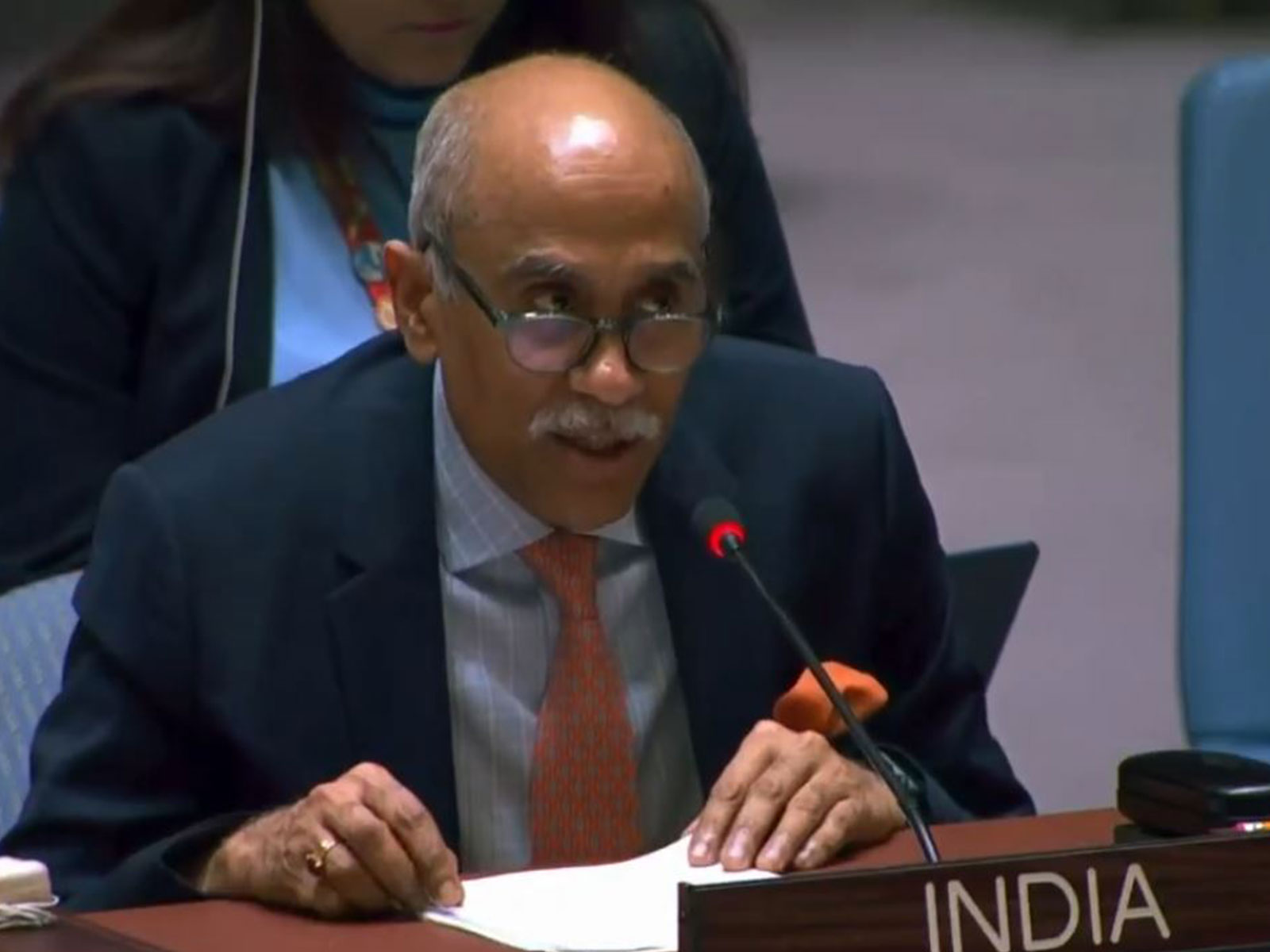
Delivering India’s statement at the UN Security Council high-level open debate convened by Latvia on Tuesday, India’s Permanent Representative to the United Nations, Ambassador Harish Parvathaneni, said rapid technological advancements were fundamentally transforming the nature of conflict and the international security landscape.
Speaking on the theme “Conflict Resolution in an Era of Rapid Technological Change”, Parvathaneni outlined four key considerations that should guide the international community’s response to the growing role of emerging technologies in conflict situations.
“Rapid technological advances are fundamentally transforming the nature of conflict and the international security landscape. Artificial intelligence, autonomous systems, and emerging digital technologies present unprecedented opportunities, but also introduce new vulnerabilities and risks across the entire conflict cycle. The rapid integration of artificial intelligence into military, intelligence, and civilian spheres has fundamentally transformed the landscape of international peace and security,” he said.
Emphasising that technology must remain human-centric and serve as an instrument of peace, the Indian envoy said it should be used to achieve human-directed objectives rather than become an end in itself.
“Technology is a means to achieve human-directed objectives and goals; it is not an end in itself,” Parvathaneni said.
He said emerging technologies could play a constructive role in conflict situations by strengthening early warning mechanisms, improving situational awareness, supporting mediation and enhancing the safety and effectiveness of peacekeeping operations.
“In conflict situations, emerging technologies can strengthen early warning, improve situational awareness, support mediation, and enhance the safety and effectiveness of peacekeeping operations, and support efforts to uphold existing international humanitarian law principles,” he said.
He added that AI-enabled analytical tools, satellite imagery and digital platforms could assist the United Nations in anticipating crises and responding more effectively.
The second consideration, Parvathaneni said, was ensuring that the application of emerging technologies in conflict settings remained responsible, human-centric, respectful of sovereignty and consistent with international law.
“Leveraging technology for protection must be a cross-cutting and cross-sectoral measure. It must be used for protection of civilians, of peacekeepers and should be leveraged for protection of humanitarian personnel,” he said.
Referring to concerns surrounding lethal autonomous weapons systems, he said their application raised legitimate legal and ethical questions. India, he added, remained committed to addressing these concerns within the framework of the Convention on Prohibitions or Restrictions on the Use of Certain Conventional Weapons (CCW), which seeks to balance military necessity with humanitarian considerations.
“Human judgement and oversight remain essential, taking into account the operational context and characteristics of the weapons system. Responsibility for the use of such systems must always rest with humans,” he said.
The third consideration involved addressing threats arising from the misuse of emerging technologies, particularly artificial intelligence, by terrorist groups and non-state actors.
“The risks associated with AI are real, and we must address them without any hesitation. The potential misuse of these emerging technologies by terrorists and non-State actors is a matter of grave concern. Incomplete, inaccurate, or deliberately manipulated data through AI can undermine decision-making,” Parvathaneni said.
Highlighting India’s efforts in strengthening digital infrastructure and cybersecurity, he said the country had made significant advancements in emerging technologies, with an emphasis on protecting critical information infrastructure and ensuring the continuity of essential civilian services.
“Domestically, the Information Technology Act and its associated rules establish robust protections against unauthorised access, data tampering, and disruption of computer systems, which remain relevant during armed conflict,” he said.
The fourth consideration, according to the Indian envoy, was ensuring that technological transformation did not deepen existing inequalities, particularly between developed countries and nations of the Global South.
“We note with concern the emerging medium and long-term trends of technology denial and the instrumentalization of technology for strategic one-upmanship through export control and licensing regimes, and a tendency to treat countries of the Global South as mere consumers without any agency or stake in how emerging technologies such as AI are developed, are regulated and are deployed,” he said.
He also cautioned that artificial intelligence systems could perpetuate existing social biases and stressed that technological development should not undermine human dignity.
“AI systems can inadvertently perpetuate biases related to gender, language and socio-economic background. AI must not reduce human beings to mere data points or raw material,” he said.
Parvathaneni said India supported inclusive international cooperation on technology governance, including through the United Nations, while taking into account national priorities and developmental needs.
In this context, he stressed the importance of reforms in the multilateral system, particularly the UN Security Council, including expansion in both permanent and non-permanent categories to reflect contemporary realities.
Reiterating India’s position on balancing technological innovation with the need to address associated risks, Parvathaneni referred to the AI Impact Summit hosted by India in New Delhi in February this year.
“In February this year, we were proud to host the AI Impact Summit in New Delhi, the first gathering of its kind convened by a nation of the Global South. The Summit produced the New Delhi Declaration, endorsed by more than 90 countries, which emphasised on democratising access to AI resources, building secure and trustworthy systems, investing in human capabilities, and using AI for economic growth and social good,” he said.
Concluding his statement, the Indian envoy said technological advancements must ultimately serve humanity, strengthen international cooperation and contribute to lasting peace.
“Ultimately, the objective must remain clear: technology should serve humanity, should strengthen international cooperation, and should advance the cause of lasting peace. Technology may inform human judgement but cannot or should no replace it,” he said. (ANI)
Related reading