New Delhi [India], June 5 (ANI): Latin America is currently grappling with a wave of political and social instability, characterised by widespread civil unrest, security crises, and shifting diplomatic alliances.
As governments across the region struggle to maintain order, the Ministry of External Affairs (MEA) is closely monitoring the status of the Indian diaspora amidst these turbulent conditions.
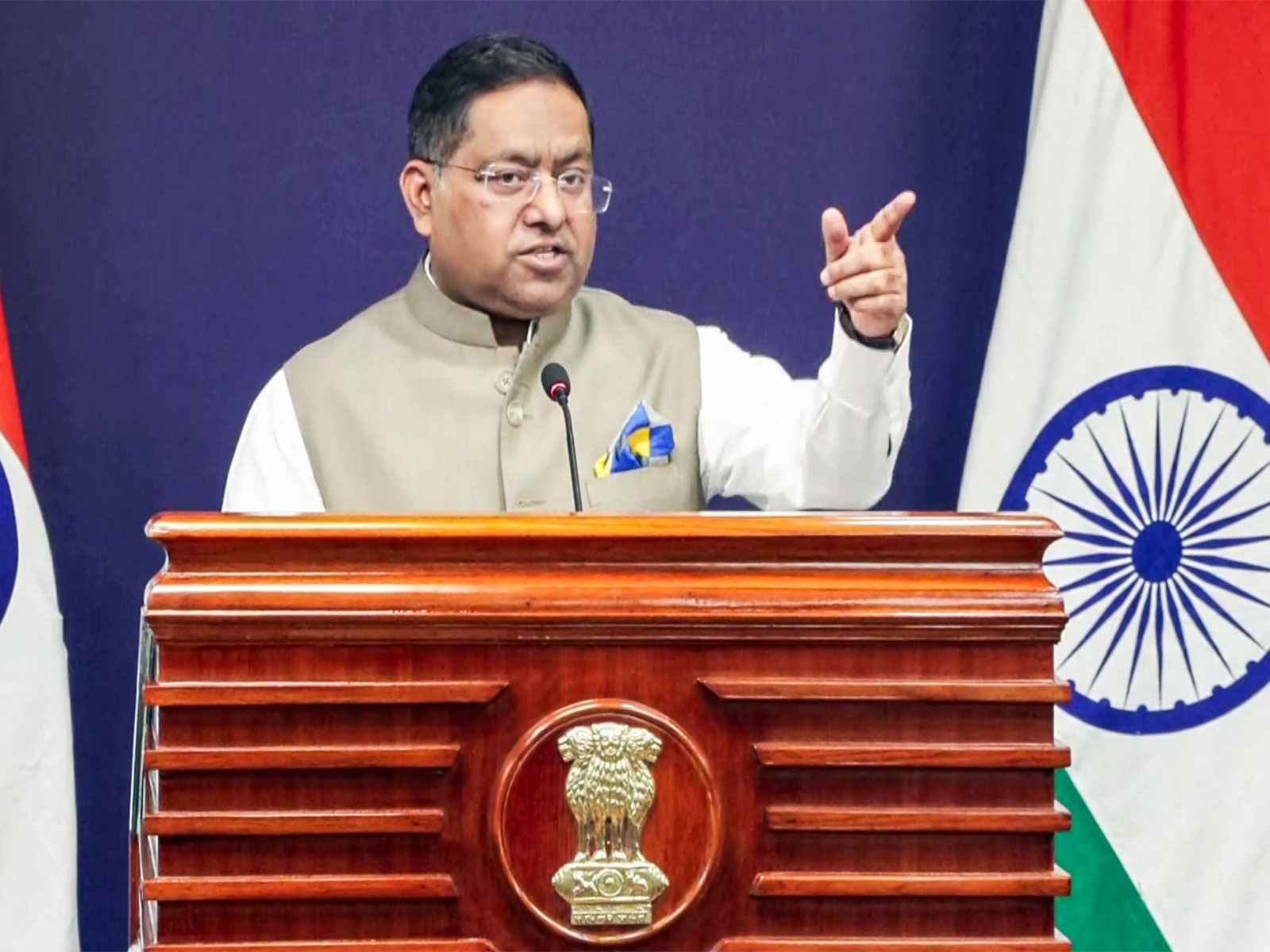
During a weekly briefing, MEA Spokesperson Randhir Jaiswal provided an update on the Indian community residing in the region, noting that their safety is a top priority. There are approximately 4,000 Indian nationals in Chile, around 350 in Ecuador, and fewer than 100 in Bolivia.
“In Chile, there are approximately 4,000 Indian nationals and persons of Indian origin. In Bolivia, the number is less than 100, and in Ecuador, it is around 350. I do not have the exact number for Colombia at this moment. We are closely monitoring the developments in these countries and remain in regular contact with our missions and the local Indian communities,” he said.
The Ministry is maintaining regular contact with its diplomatic missions in these countries to ensure the well-being of local Indian communities. Despite the regional volatility, India continues to maintain “friendly ties” with Cuba, building on its history of humanitarian support, including providing essential supplies like generators and medicines during past natural disasters.
“Regarding Cuba, we have friendly ties. Last year, when Cyclone Melissa hit, we provided humanitarian assistance, including generators, medicines, and other essential supplies. We continue to support Cuba through our established diplomatic and economic cooperation,” he added.
As the region experiences this period of “pragmatic transformation,” India’s diplomatic focus remains on safeguarding its citizens and preserving long-standing humanitarian and economic partnerships across Latin America.
Chilean President Jose Antonio Kast, who assumed office in March 2026, is currently facing significant domestic pressure. Recent anti-government demonstrations in Santiago have seen police use water cannons to disperse protesters who accuse his administration of dismantling critical healthcare, education, and welfare programs, reported Al Jazeera.
The President’s “State of the Nation” address emphasised a hard-line approach to security and immigration, marking a sharp rightward turn in Chilean politics.
Bolivia remains in the grip of a deepening political crisis. President Rodrigo Paz, just months into his term, is facing mass demonstrations, highway blockades, and demands for his resignation. With fuel shortages and a paralysed economy, the government has refused to rule out a state of emergency and the deployment of the military to quell unrest, reported Al Jazeera.
Organised crime remains the primary driver of instability in Ecuador. President Daniel Noboa continues to utilise states of emergency and military deployments in an effort to combat transnational drug cartels that have turned coastal provinces–particularly Guayas–into epicentres of violence. While highland cities like Cuenca remain relatively stable, the national security situation remains critical.
Meanwhile, Cuba is under severe economic strain following a de facto fuel blockade and new rounds of sanctions imposed by the United States. On June 4, 2026, the U.S. Treasury Department expanded sanctions to include President Miguel Diaz-Canel and several members of the Castro family, further pressuring Havana’s leadership amidst ongoing energy shortages and economic collapse. (ANI)
Related reading