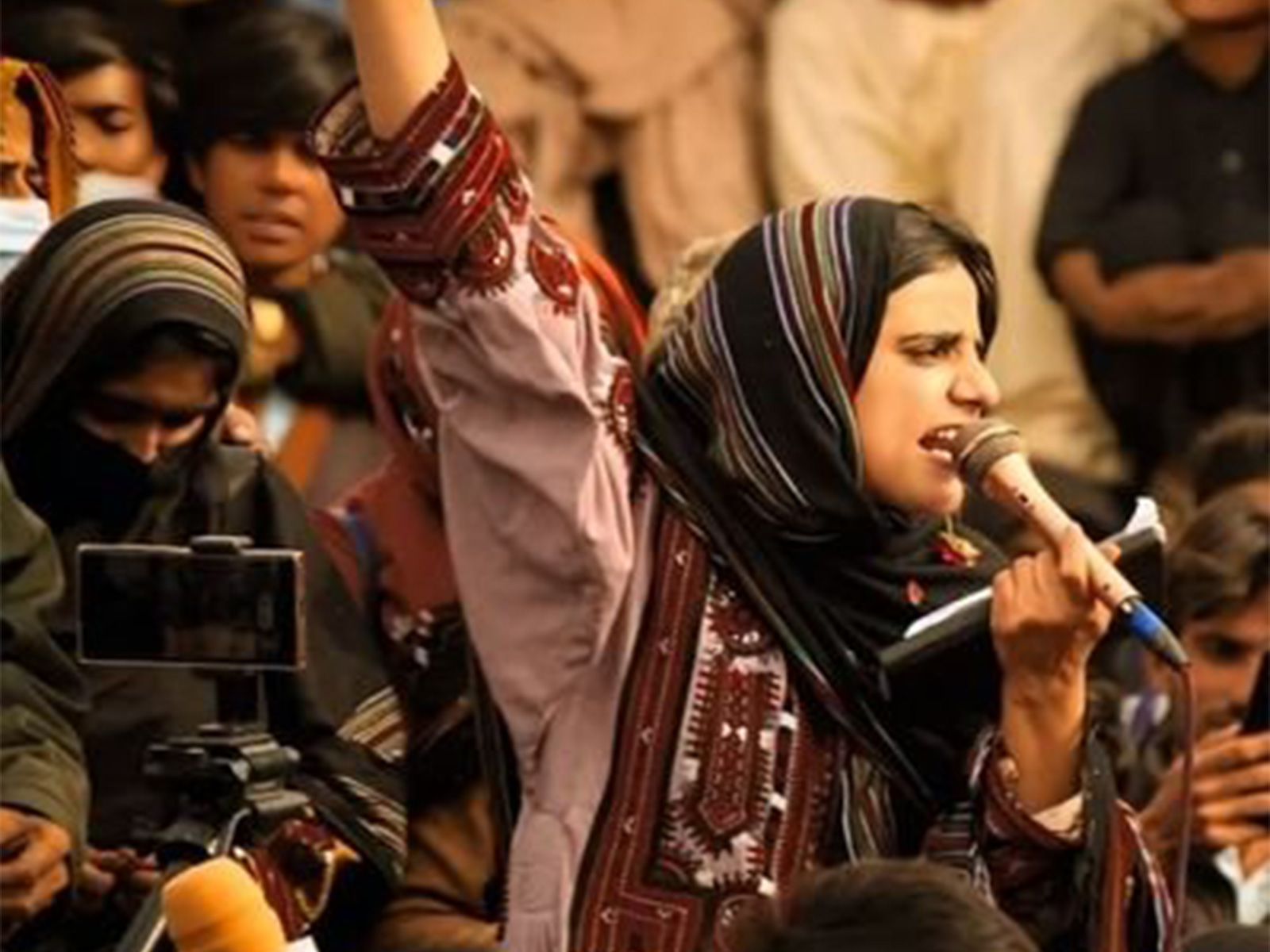
Balochistan [Pakistan], October 26 (ANI): The Human Rights Foundation (HRF) has called on Pakistani authorities to release Dr Mahrang Baloch and provide her with adequate medical care, raising concerns over her imprisonment, the fairness of her trial and the human rights situation in Balochistan, according to a report by The Balochistan Post (TBP).
In an article published on Sunday, the New York-based foundation described the terrorism charges against the Baloch Yakjehti Committee (BYC) chief organiser as “politically motivated” and questioned the fairness of the legal proceedings against her, TBP reported.
According to the report, Mahrang was arrested in March 2025 during a peaceful sit-in held to protest the deaths of three people at a demonstration the previous day. She subsequently faced prosecution under Pakistan’s Anti-Terrorism Act.
HRF expressed concern over the conduct of the proceedings, stating that although hearings were held inside prison, Mahrang was permitted to participate only through video link. The foundation said she had been denied the opportunity to participate effectively in her trial, while journalists and other outside observers were also barred from attending, according to TBP.
The foundation also raised concerns over reports that Mahrang’s health had deteriorated in custody, reiterating its demand for her release and access to adequate medical care.
Ahead of the International Day of Political Prisoners on October 30, HRF expressed solidarity with Mahrang and others imprisoned because of their political views and beliefs. It urged the international community to speak out in defence of their freedom and fundamental rights, TBP reported.
The TBP report also cited extracts from a letter in which Mahrang reflected on her imprisonment, the loss of her father and the experiences that shaped her campaign against enforced disappearances.
Recalling visits to her father at Hudda Jail during her childhood, when she would carry Eid cards, Mahrang said losing him had influenced her work with families searching for their missing relatives.
In the letter, she said the BYC had chosen peaceful political struggle to challenge enforced disappearances, extrajudicial killings and other alleged abuses. She added that members of the organisation had faced arrests, criminal cases, intimidation and enforced disappearances.
“Yet imprisonment has not changed my convictions,” she wrote.
Mahrang said her concerns extended beyond her own release, emphasising the suffering of families across Balochistan whose relatives had disappeared and the challenges faced by young people seeking to express their political beliefs without fear.
“My greatest concern has never been simply when I will walk out of this prison. It is when families across Balochistan will no longer have to search for their disappeared loved ones, when young people will be able to express their political beliefs without fear, and when the demand for justice will no longer be treated as a crime,” she wrote, according to the extracts cited by TBP.
She further maintained that imprisonment could not permanently suppress the desire for freedom, dignity and justice.
“I remain convinced that fear cannot be the permanent foundation of any society. Prisons may confine individuals, but they cannot permanently contain the desire for freedom, dignity, and justice,” she wrote.
According to TBP, an anti-terrorism court in Quetta sentenced Mahrang and fellow BYC leader Sibghatullah Shahji to life imprisonment on June 22, 2026, in connection with the killing of Frontier Corps soldier Shabir Ahmed during a protest in Gwadar.
Mahrang’s legal team rejected the verdict and challenged the fairness of the proceedings. Her sister and member of her legal team, Nadia Baloch, described the case as a “faceless trial”. (ANI)
Related reading