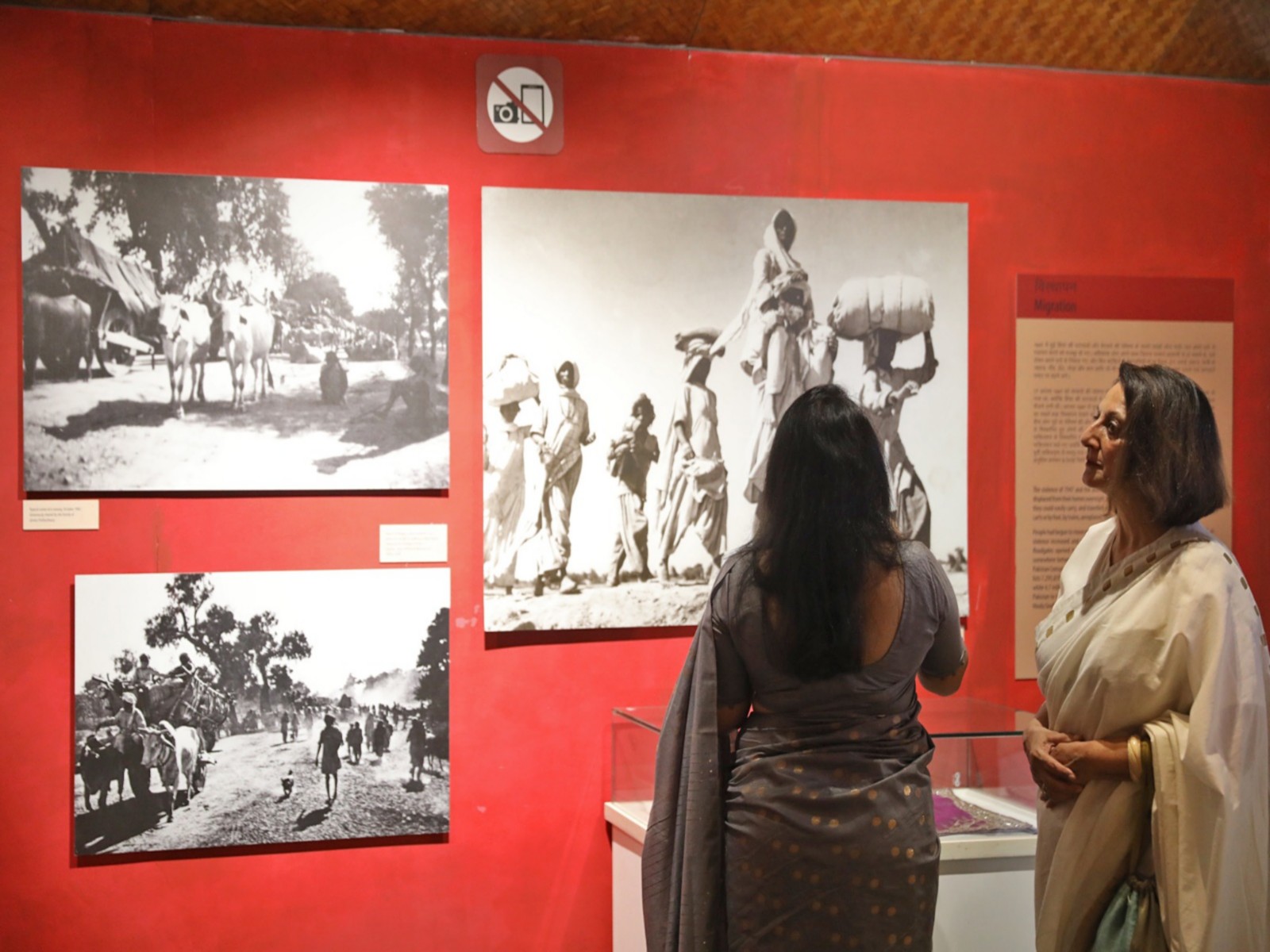
New Delhi [India], August 15 (ANI): As India marks its 80th Independence Day, the story of the nation’s rise is inextricably linked to one of the most remarkable human turnarounds in modern history: the spirit of Partition survivors.
Uprooted by the 1947 migration, which displaced an estimated 12 million people, millions of refugees started over from absolute zero to become key architects of India’s economic, scientific, and cultural foundation.
The immense loss of Partition was met with unprecedented grit. Prominent voices highlighted how displaced families helped lay the groundwork for major industrial and commercial institutions.
Speaking exclusively to ANI, Kishwar Desai, Founder and Chair of the Partition Museum, said the contribution of refugees to India’s transformation needs to be remembered. “We must remember that when the refugees came, they left the well-established businesses, their employment, institutions already nurtured like schools and hospitals and had to start from scratch,” Desai said.
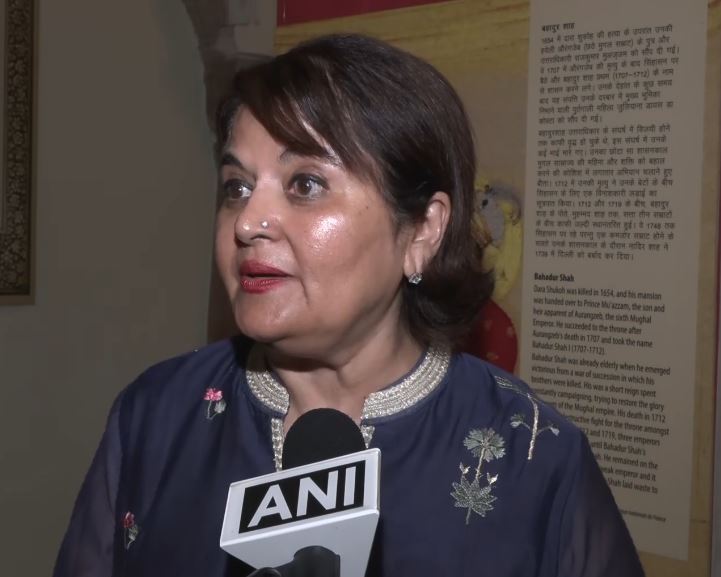
“It was a huge struggle. I would say that India possibly lost maybe 10 or 20 decades of a good and healthy economy by what happened at that time during Partition,” she said.
Despite the immense challenges refugee families gradually rebuilt and contributed to India’s industrial growth.
Desai cited examples of families associated with major business groups, including the Mahindras and Hero and underlined how the resilience of survivors helped contribute to the economic foundation.
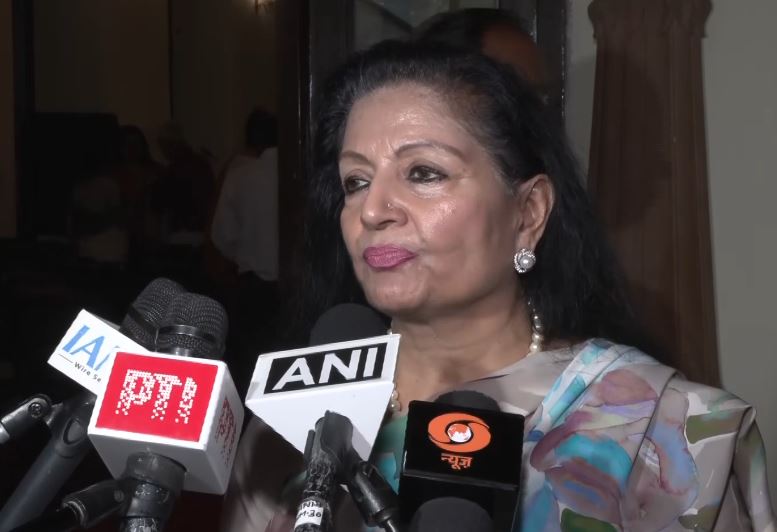
Lakshmi Puri, former UN Assistant Secretary-General, said the resilience of Partition survivors became part of the foundation of modern India.
“Their resilience, contribution to nation-building is what we are sitting on today. We have inherited because of their bravery, resilience that we are what we are today. Those who survived and built themselves back from unimaginable loss, they are heroes. They are the foundation on which the new India is built,” Puri told ANI.
While speaking to the media on the sidelines of the Partition Horrors Remembrance Day, Puri highlighted, “It is important because we must never forget, also we must never repeat and also because it is a lesson in what we must do to ensure harmony, unity of the country.”
For the Sindhi community, the journey from displacement to prosperity was accompanied by an equally important effort to preserve a cultural identity disrupted by Partition.
Rashmi Ramani, who has authored over 30 books in Sindhi and Hindi and has worked extensively on preserving Sindhi literature, recalled the community’s upheaval.
“Sindhis had no clue. They were uprooted to a new land. But they toiled hard and became one of the most prosperous communities due to their hardwork and resilience. Be it the banking sector, pharma, property — you will find the presence of Sindhis,” Ramani told ANI.
A literary trailblazer, Ramani is also a member of the Language Advisory Board of the Sahitya Akademi and has worked extensively focussing on Sindh’s history, culture and literarure.
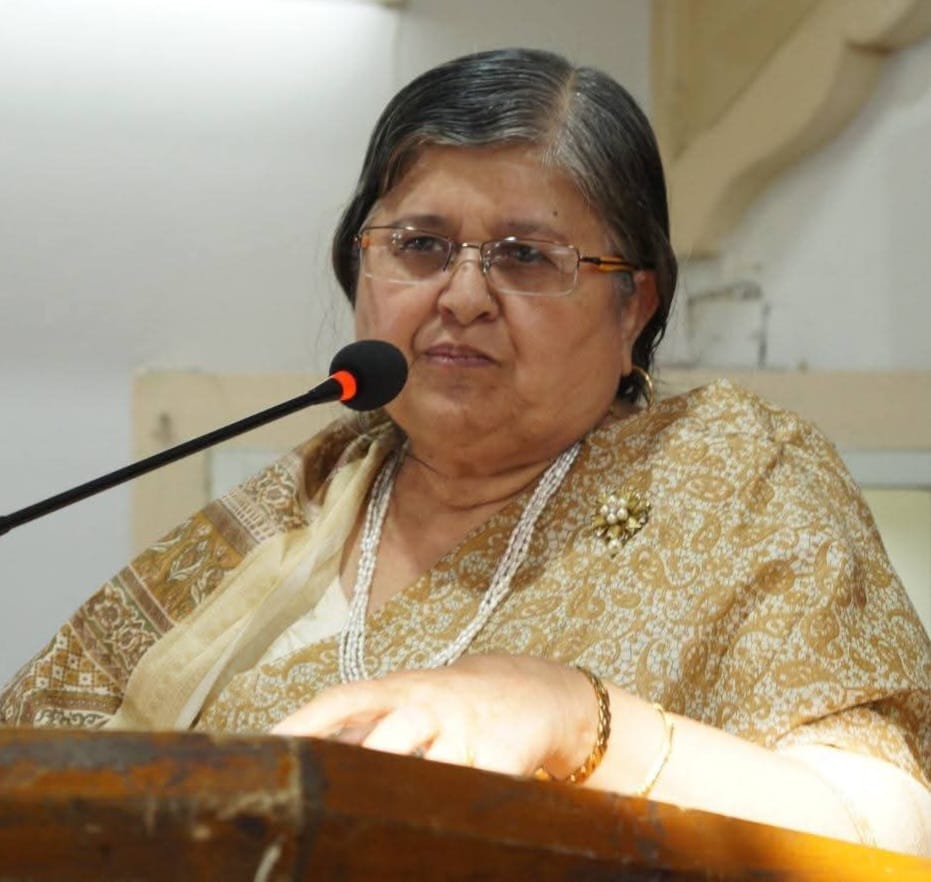
The community’s contribution also extended beyond business, with Sindhis helping build hospitals, charitable trusts and educational institutions, Ramani told ANI.
The spirit of rebuilding was also reflected in India’s scientific establishment.
Professor Sudha Bhattacharya, a veteran scientist of molecular biology whose family came from Dera Ghazi Khan, credited independent India with giving her the opportunity to pursue education and build a career in science.
She set up her lab at the Jawaharlal Nehru University and credited the fabric of India which gave her the opportunity to study, grow and eventually partake in nation-building.
“I had the opportunity and the fortune to become a scientist, get a PhD. I attribute that to Independent India,” she told ANI.
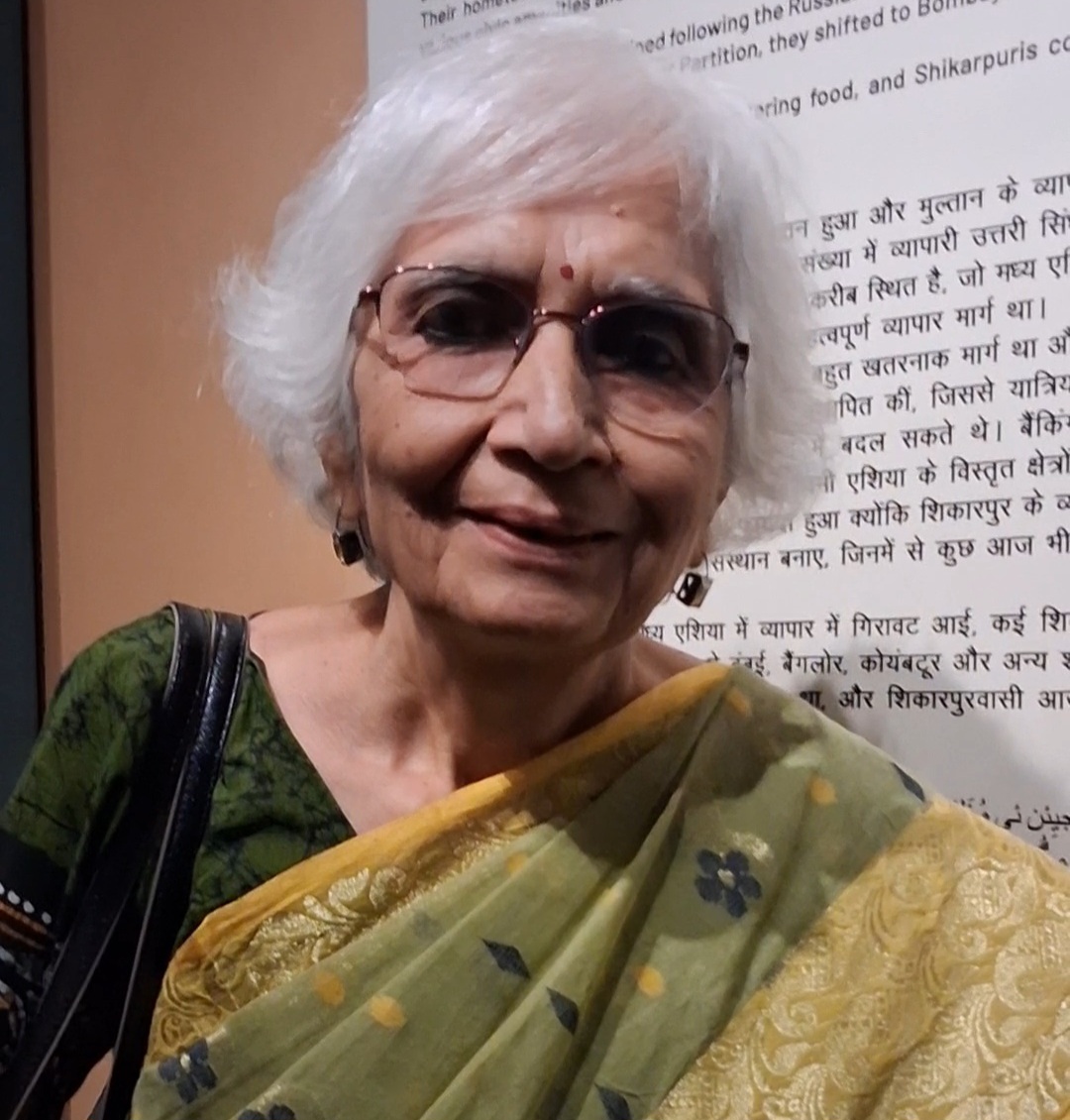
She underlined how several top scientists of Independent India trace their roots to being refugees– pioneering engineer and former ISRO chief Satish Dhawan being one of them.
Sachchidanand Joshi, Member Secretary of the Indira Gandhi National Centre for the Arts while speaking at the Partition Horrors Remembrance Day recalled how several institutions and businesses that emerged in the aftermath of Partition profoundly shaped India’s social and commercial landscape.
He gave examples of the Moti Mahal restaurant chain, Delhi’s iconic bookstore Faqirchand to educational instutitions such as Salwan schools- all testimonies of the legacy of rebuilding across generations.
As India looks ahead to its centenary of Independence, the story of Partition survivors offers a reminder that nation-building was not only shaped by political leaders and institutions, but also by ordinary people who lost almost everything, rebuilt from scratch and transformed their loss into a lasting legacy.
On Saturday, as Prime Minister Narendra Modi addressed the nation from the ramparts of the Red Fort, his message reflected the pulsating momentum as India gears up towards the vision of Viksit Bharat 2047.
“A nation becomes great and achieves its goals when it moves forward driven by its dreams, its resolve, and its inherent strength. Small dreams will no longer suffice. We must dream big, for big dreams expand our thinking and broaden the horizons of our vision. Our resolve must be steadfast; when our resolve is firm, the capacity to carve a path forward–even amidst difficulties and disasters–naturally emerges,” Prime Minister Modi said.
“Small dreams will no longer suffice. We must dream big, because big dreams expand our thinking, broadening the horizons of our thoughts.” (ANI)
Related reading