New Delhi [India], August 11 (ANI): The Ministry of External Affairs (MEA) on Tuesday stated that it is evaluating the impact of the newly inked Mecca Defence Pact between Pakistan, Turkey, and Saudi Arabia.
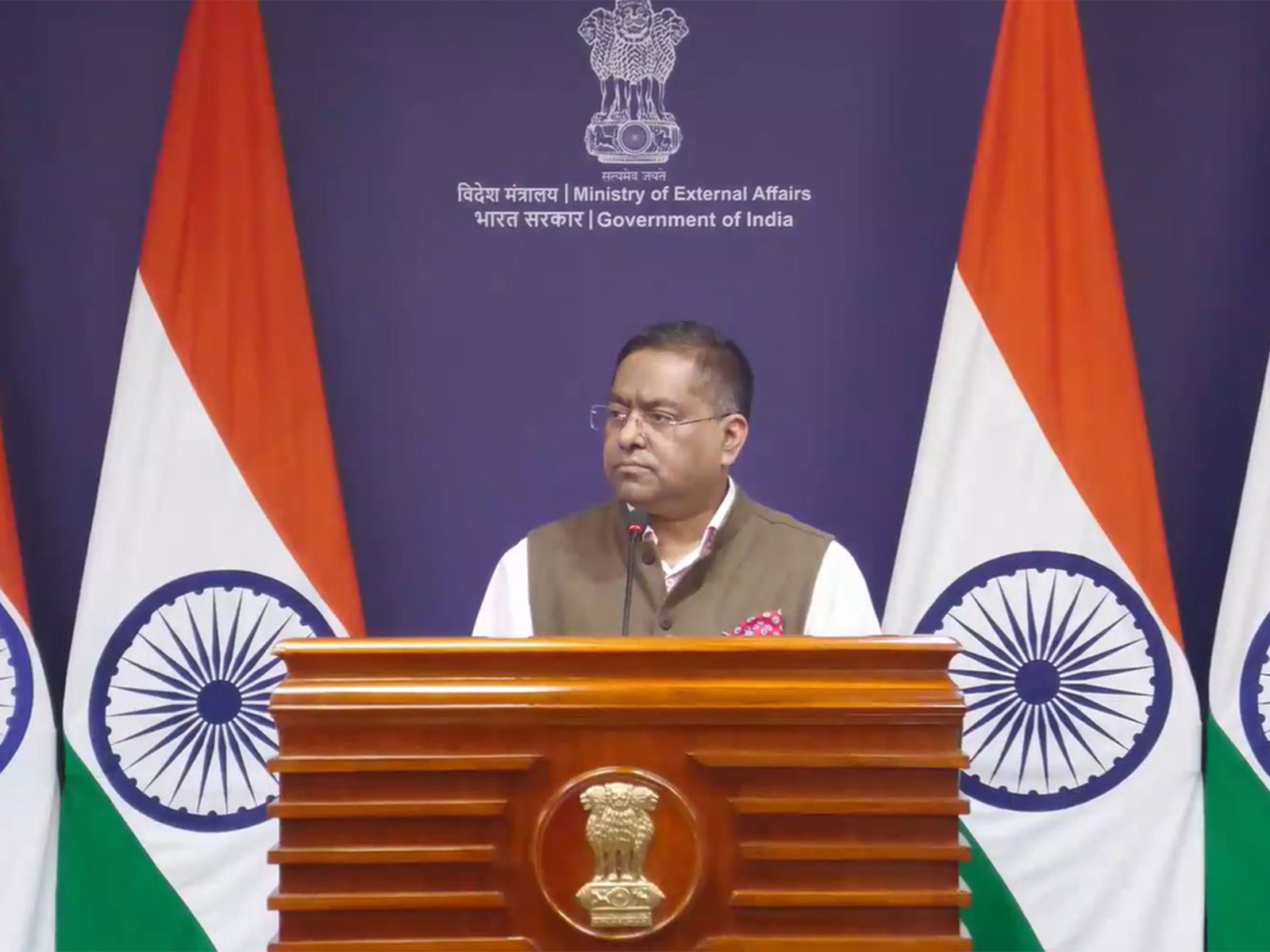
Responding to media queries during a biweekly news briefing regarding the recent treaty, MEA official spokesperson Randhir Jaiswal emphasised that India will adopt every required step to protect its national interest.
“Regarding the agreement that was signed recently, let me say that we continue to closely follow developments in the West Asia conflict. As far as this particular agreement is concerned, we are examining its implications, both from the perspective of our national security as well as considerations of regional stability, peace and stability. India remains fully committed to meeting or safeguarding its national interests and will take all necessary measures in this regard,” the spokesperson stated.
This comes in the light of the West Asia crisis; on February 28 launched joint military operations against Iran, marked by the collapse of ceasefires, direct military exchanges, and intense disruptions in the Strait of Hormuz affecting global energy supplies, shipping, and regional security.
The accord was inked on Friday, 7 August, in Mecca by Saudi Crown Prince Mohammed bin Salman, Turkish President Recep Tayyip Erdogan, and Pakistani Prime Minister Shehbaz Sharif, as per official releases issued by the three nations.
Under the terms of the treaty, an armed assault against any single member country will be treated as an act of aggression against all three. Expanding on the mandate, official declarations from the signatory nations indicated that the accord “is intended to strengthen collective deterrence against any act of aggression” and “provides for the enhancement of all aspects of defence cooperation among the three states.”
Addressing concerns surrounding the broader regional architecture, Saudi Arabia released a separate statement clarifying that the pact does not constitute a military alliance or a religious faction, nor does it involve nuclear pursuits or a regional arms race. The statement noted that the treaty is designed for “building sustainable self-reliant capabilities” without compromising Riyadh’s current ties across Gulf, Arab, and global tiers.
Elaborating further on the operational scope, Erdogan highlighted in a post on social media platform X that the pact relies on collective deterrence and aims to broaden defence cooperation, back joint defence manufacturing initiatives, and bolster anti-terror efforts. He added that the agreement upholds the inherent right of self-defence under Article 51 of the UN Charter, does not target any specific nation, and welcomes participation from other states committed to regional peace, prosperity, and stability.
This tripartite framework marks a significant escalation in regional security arrangements, as the Mecca pact builds upon the bilateral Defence Agreement inked by Pakistan and Saudi Arabia in September, which likewise categorises an attack on one signatory as an attack on both. (ANI)
Related reading