Brussels [Belgium], June 9 (ANI): The European Union on Tuesday proposes the 21st sanctions package against Russia over the Ukraine war, targeting financial institutions, energy networks, military supply chains and companies in multiple nations, including India and China, that the bloc alleges are supporting Russia’s military-industrial sector.
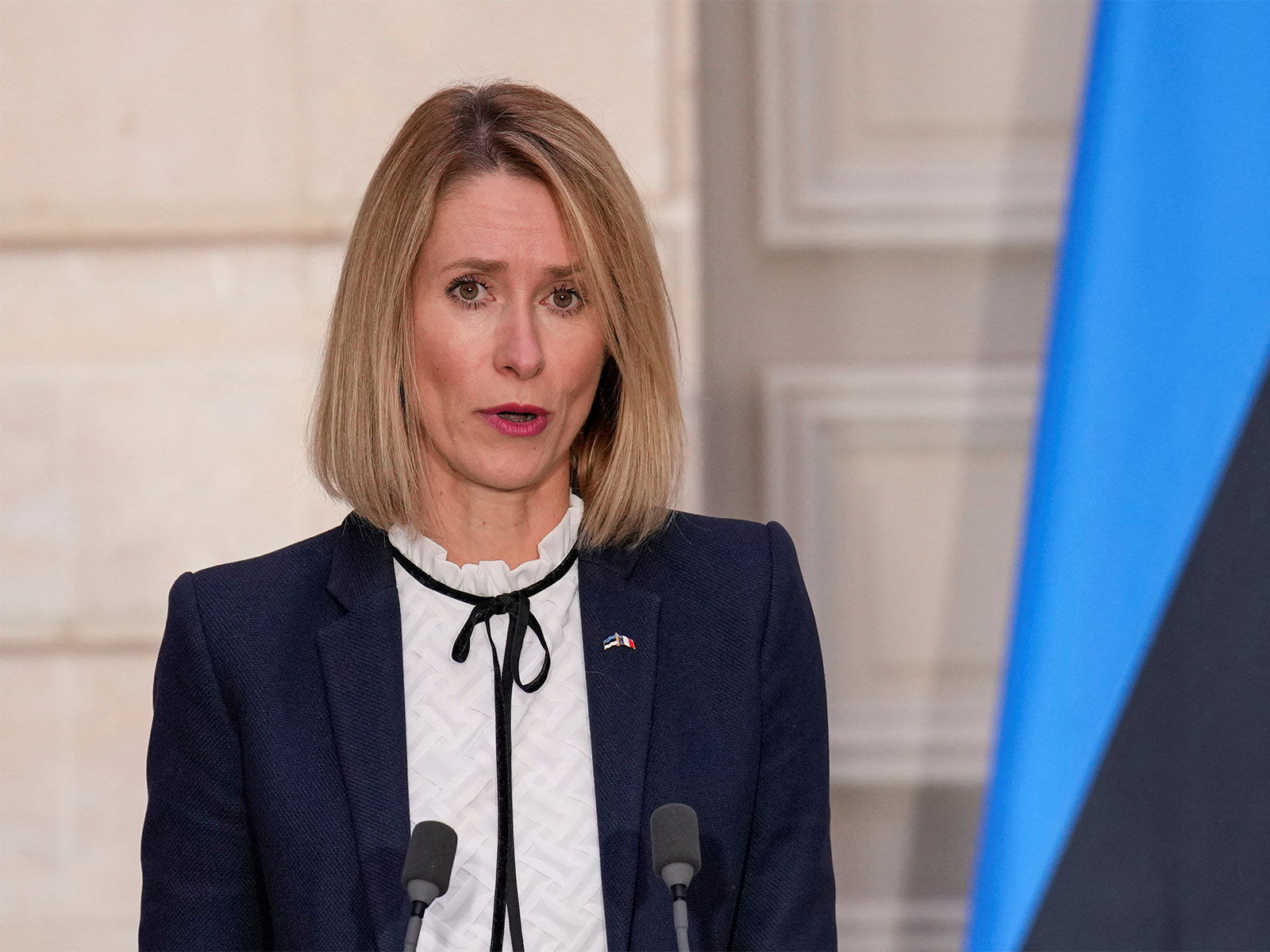
Announcing the measures in a series of posts on X, EU High Representative for Foreign Affairs and Security Policy and Vice President of the European Commission Kaja Kallas said the latest package aims to further weaken Russia’s ability to finance and sustain its military operations in Ukraine.
“Brick by brick, we are collapsing the foundations of Russia’s war economy,” Kallas said.
She stated that the proposed package includes a temporary freeze of the Russian oil price cap, sanctions on institutions allegedly used by Moscow to generate revenues and evade existing restrictions, and additional measures targeting banks, weapons manufacturers, oil traders, refineries and cryptocurrency operators.
“We are intensifying our sanctions efforts against individuals and entities that enable Russia’s war against Ukraine,” Kallas said.
According to the top EU official, the package contains more than 170 proposed listings, making it the largest sanctions expansion proposed by her office in over two years. The measures focus on Russia’s financial sector, energy industry and drone production capabilities.
“As part of this package, my services are putting forward the largest set of listings in over two years, with over 170 proposals, notably on the financial sector, energy and drones’ production” she stated.
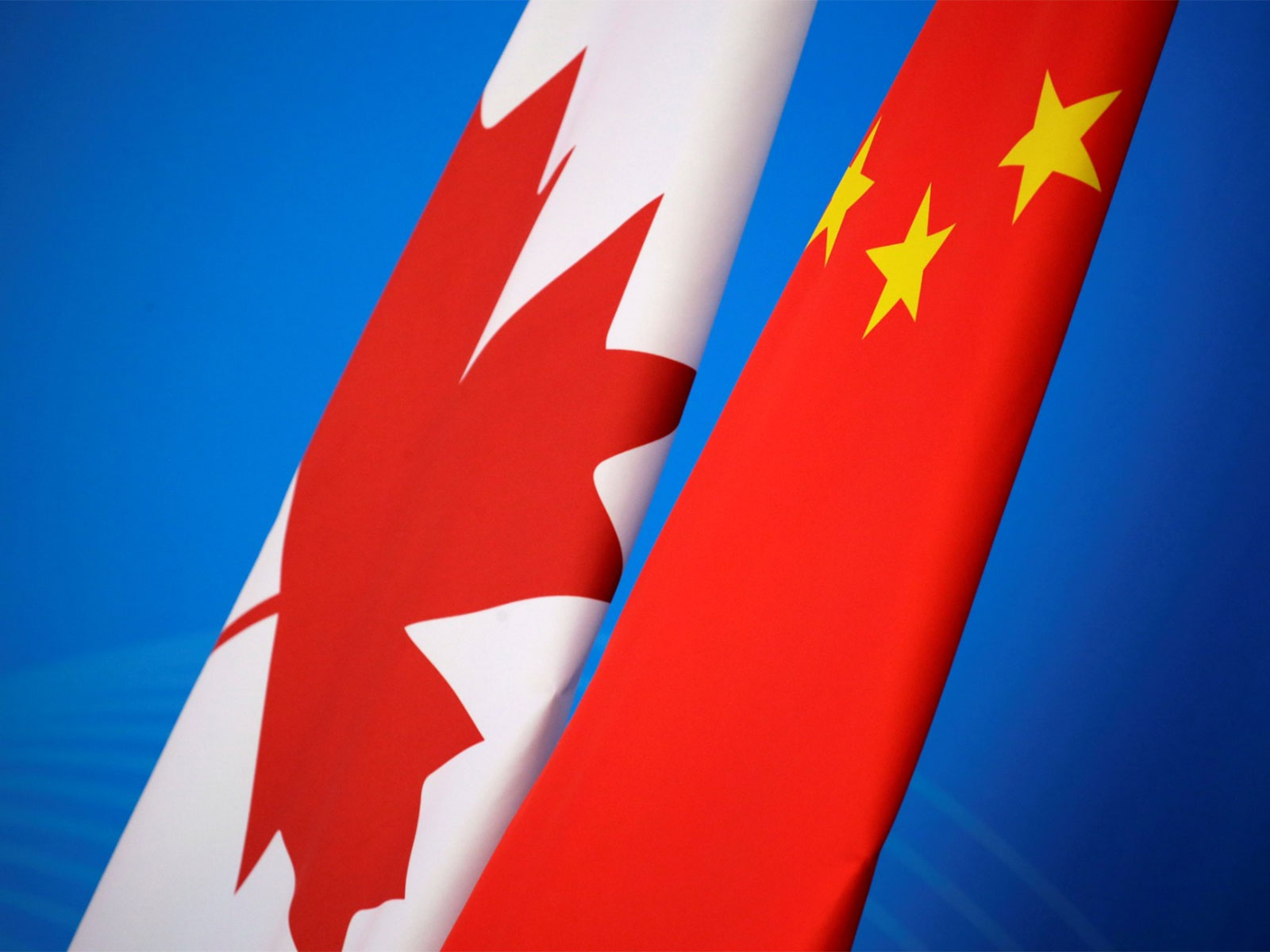
Kallas said the EU is also proposing export-control measures on 50 companies located in several countries, including India, China, Turkiye, Kyrgyzstan, Kazakhstan and the United Arab Emirates.
“We are also targeting companies providing support to Russia’s military-industrial complex. The new listings will cover more than 30 designations in the drones manufacturing as well as new export control measures on 50 companies, including entities based in China, Turkiye, Kyrgyzstan, Kazakhstan, UAE and India,” she said.
The proposed package would further restrict exports of materials and technologies considered critical to Russia’s industrial and defence sectors, including nickel powders, metals and high-performance alloys.
The EU also plans to tighten restrictions on Russia’s financial system through asset freezes on nearly 90 banks and additional transaction bans affecting more than 30 banks in Russia and other countries. New measures are also being proposed against cryptocurrency platforms and services.
“We intend to deal a heavy blow to Russia’s financial sector, imposing assets freezes on close to 90 banks and additional transaction bans on over 30 banks in Russia and other third countries. We will also tighten our ban for crypto-asset services to certain third countries, add new designations, and ban transactions on 11 crypto platforms,” the post added.
Kallas said the bloc intends to reduce revenues generated through Russia’s energy exports by imposing new restrictions on the resale of LNG tankers and maintaining pressure through the oil price cap mechanism.
“Energy sales keep Russia’s war machine running. We want to cut this cash flow,” she said.
The sanctions package also expands measures against Russia’s so-called “shadow fleet,” with 30 additional vessels proposed for sanctions. Under the proposed rules, ships supplying or refuelling sanctioned vessels could themselves become subject to restrictions.
“Our work on curbing the operations of Russia’s shadow fleet continues, with 30 new vessels sanctioned, proposals for new designations of enablers, and the expansion of our criterion for vessels listings,” she stated.
Additionally, transaction bans have been proposed on two Russian ports and four airports.
Kallas noted that the measures come on top of 81 listings expected to be adopted by the EU Foreign Affairs Council next week, targeting Russia’s shadow fleet, military-industrial complex, human rights violators and propagandists.
The proposed package also includes a comprehensive visa ban on current and former members of the Russian armed forces and affiliated proxy groups.
The sanctions package will now be considered by EU member states before any final adoption. (ANI)
Related reading