Islamabad [Pakistan], October 18 (ANI): Exposed by decades of sponsoring cross-border militancy and nurturing terrorism as an instrument of state policy, Pakistan’s establishment has plunged further into authoritarian descent by enforcing a state of emergency and Governor’s Rule across the Khyber Pakhtunkhwa province, resulting in the practical suspension of the regional administration headed by imprisoned ex-premier Imran Khan’s political outfit, the Pakistan Tehreek-e-Insaf. The emergency directive was formally brought into effect on Sunday, October 11, 2026, invoking Articles 232 and 234 of the national charter.
Terrorism within Pakistan is fundamentally homegrown, stemming from a deliberate policy implemented by the nation for more than five decades in its pursuit of strategic depth.
As former US Secretary of State Hillary Clinton famously remarked, one cannot rear snakes in a backyard and expect them to bite only neighbours, as they will eventually turn on their keepers. Rather than learning from this outcome, Pakistan began differentiating between acceptable and unacceptable terrorist factions.
The state has also flip-flopped in its approach toward elements hostile to it. During General Bajwa’s tenure, Tehreek-e-Taliban Pakistan (TTP) cadres were relocated to parts of the erstwhile Federally Administered Tribal Areas (FATA) and Khyber Pakhtunkhwa (KPK).
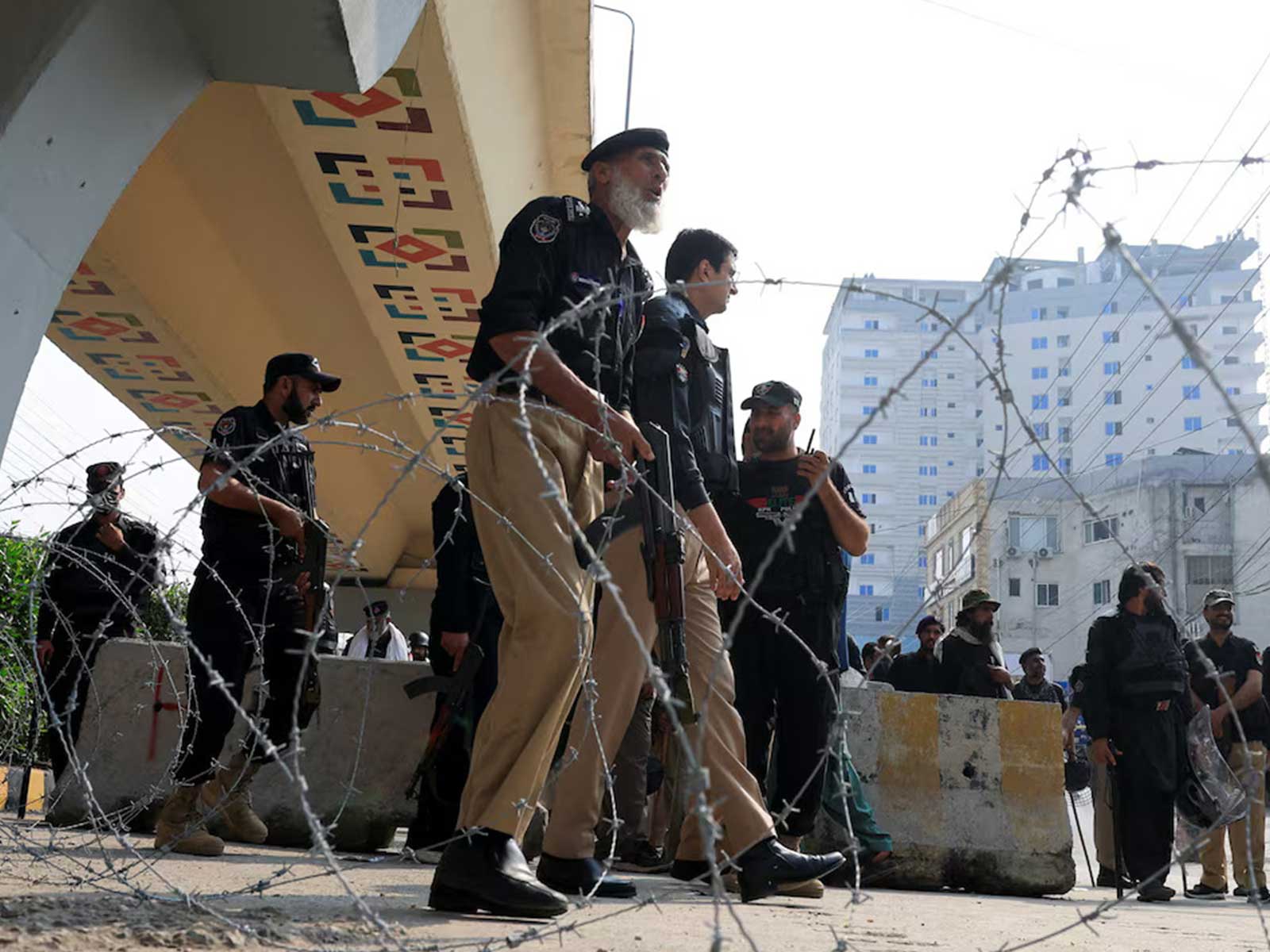
Facing a failure to manage the security situation in Khyber Pakhtunkhwa province, authorities have responded by imposing a state of emergency and Governor’s Rule overnight.
Having previously incarcerated a former Prime Minister and eroded judicial independence through constitutional amendments, the administration has now deprived its principal opposition party of its last remaining provincial government, marking another blow to elected governance amidst ongoing democratic backsliding.
Far from restoring normalcy, an emergency has been declared across 12 districts in KPK, placing them under direct federal rule and further marginalising tribal communities that have long borne the brunt of failed security policies. The constitutional separation of judicial and executive powers has also been dispensed with in these districts.
Instead of addressing the root failures that brought KPK to this crisis, powers have been concentrated in unelected authorities alongside the deployment of the military in civilian affairs, making the displacement of civilian authority by the security establishment increasingly apparent.
Analysts say the rampant human rights violations witnessed during past operations such as Zarb-e-Azb and Radd-ul-Fasad remain vivid, even as preparations are made to inflict further hardship on civilians.
Beyond removing an elected government, authorities have proceeded to detain opposition leaders and legislators, raid their residences, and suppress political demonstrations, treating political opposition itself as a security threat.
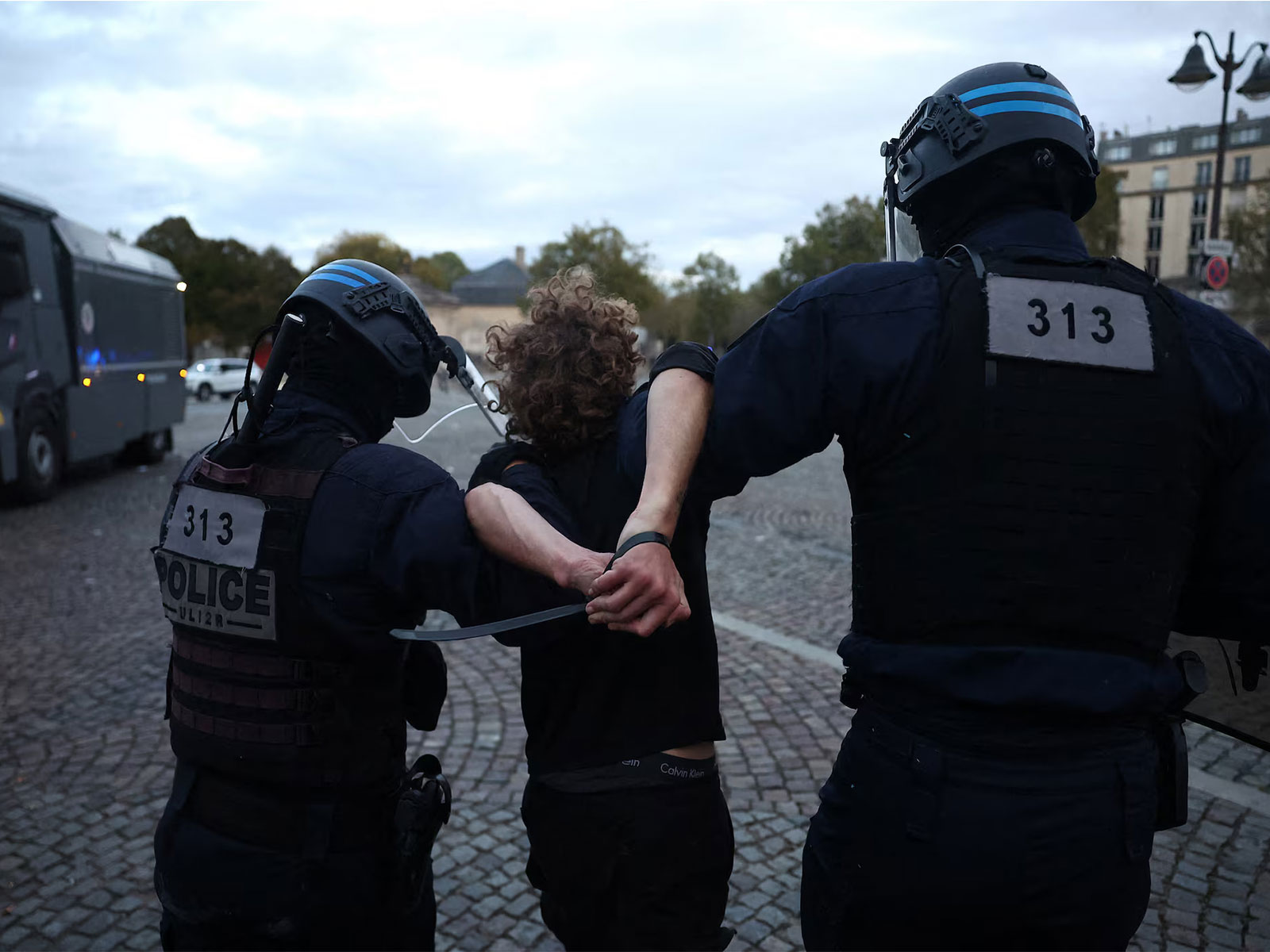
The crackdown has extended to the streets, where protesters face police firing, tear-gas shelling, and mass arrests. A government purporting to restore law and order is instead confronting its own citizens with high-handed repression, mirroring events seen in Khyber prior to the imposition of a blanket media ban on developments in the province.
Decades of failed security policies have already subjected tribal communities in KPK to displacement, civilian casualties, and prolonged insecurity. With thousands of displaced families still awaiting return and rehabilitation, these populations now face yet another round of extraordinary intervention.
The emergency in KPK marks the culmination of a power consolidation by the military establishment that commenced with the imprisonment of a former Prime Minister. Following constitutional amendments that curtailed judicial independence and shielded military leadership from accountability, the removal and arrest of elected representatives has transformed the Constitution into an instrument for securing unelected power rather than safeguarding against it. (ANI)
Related reading