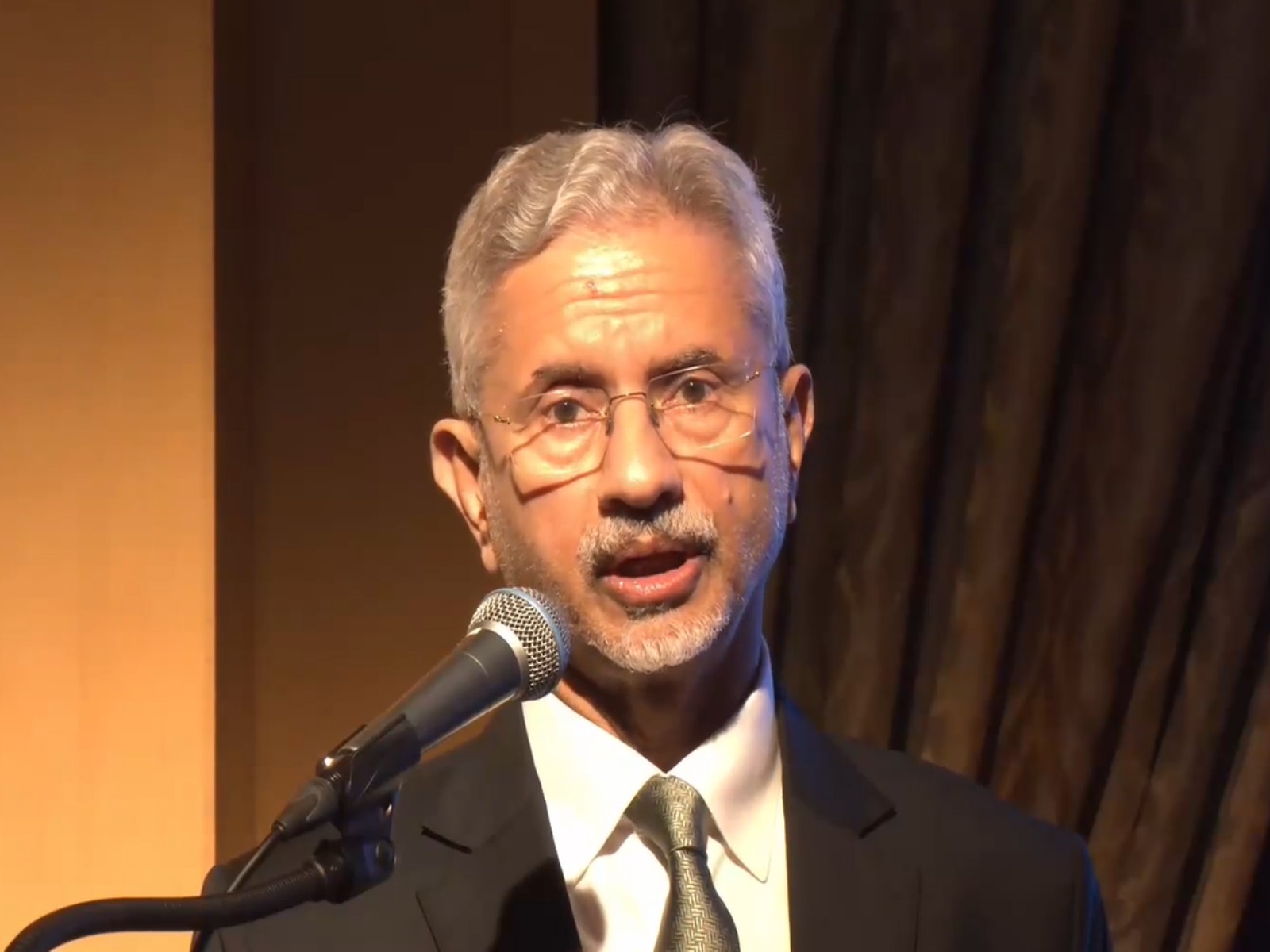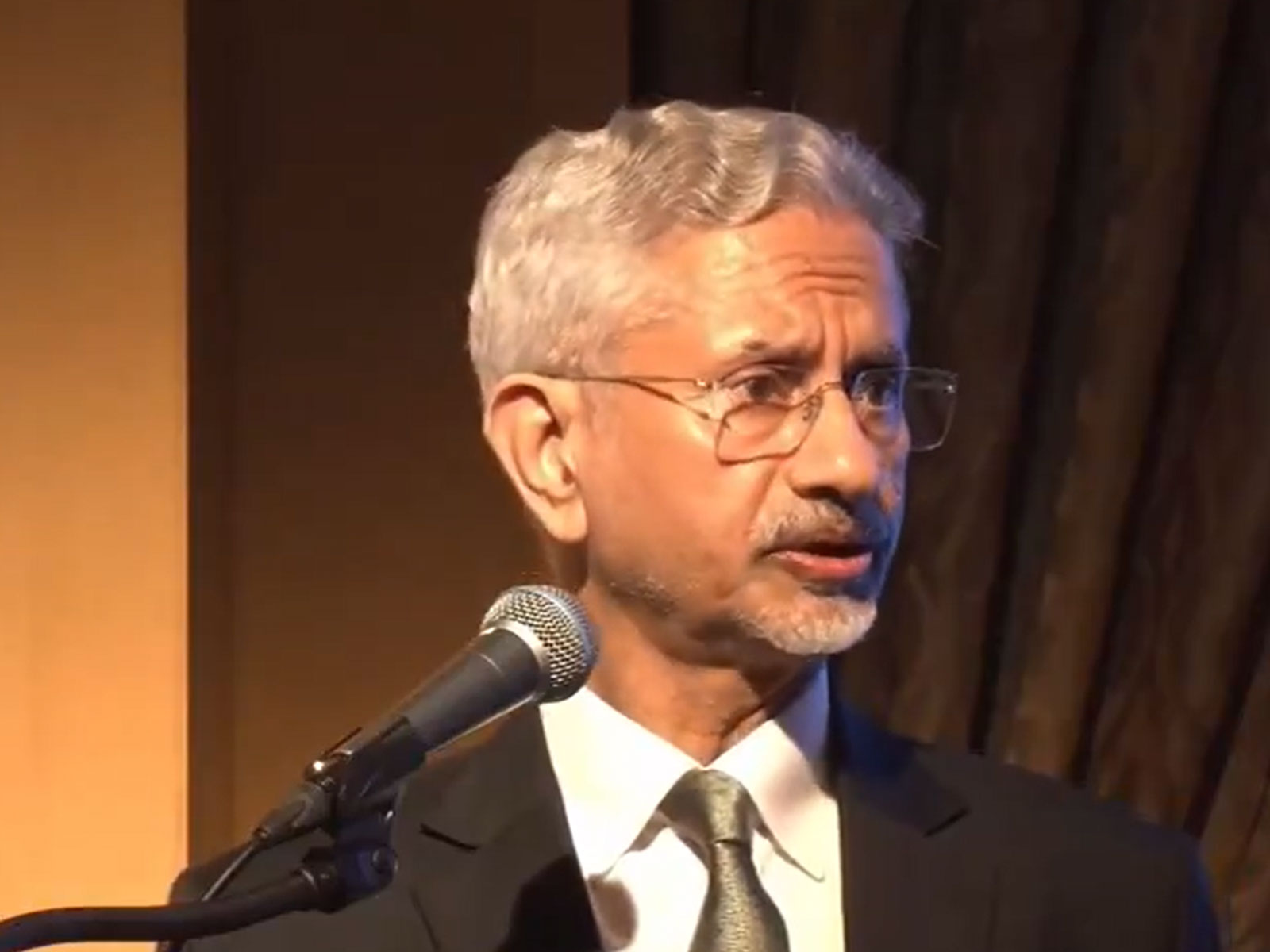
Tokyo [Japan], November 18 (ANI): External Affairs Minister S Jaishankar on Wednesday said India and Japan must deepen their cooperation and strengthen their national capacities to maintain a free and open Indo-Pacific, asserting that the changing global order has created a compelling rationale for closer bilateral ties.
Addressing the inaugural session of Raisina Tokyo 2026, Jaishankar said the Indo-Pacific was particularly affected by the five defining features of the current global order, including repeated shocks to the international system, weaponisation of resources and technology, greater risk-taking, economic de-risking and the growing importance of trusted partnerships.
“The Indo-Pacific offers a particular challenge because these five factors, these very five factors, are very strongly imprinted on its landscape,” he said.
The External Affairs Minister said India and Japan, as two leading nations of the region committed to maintaining a free and open Indo-Pacific, needed to secure their national interests while encouraging freedom of choice and promoting growth and stability.
“This is best done by helping partners to build strength and deepen the basis for reliable and trusted cooperation. And understandably, this is exactly what the India-Japan agenda is all about,” he said.
Jaishankar said the global context provided a strong rationale for both countries to strengthen their national capacities and expand cooperation in key areas, adding that each country was a complementary partner for the other.
“The global context now provides the most powerful logic to strengthen our respective national capacities and to expand and deepen cooperation in key domains. For each of us, the other is a complementary partner,” he said.
Highlighting the history of bilateral relations, he said India and Japan had never experienced a clash of interests and had maintained congenial relations throughout history, with consistently positive public perceptions of each other’s societies.
“There were never any serious obstacles to stronger bilateral cooperation between India and Japan, but perhaps until recently, no compelling reasons either. That is what is now changing,” he added.
Jaishankar also outlined the factors that could provide fresh momentum to bilateral cooperation, identifying the broader strategic context, political leadership and a contemporary understanding of the opportunities offered by the partnership.
“So, what are the factors that can provide a new momentum to our cooperation? One, of course, is the larger strategic context that I have just spoken about. The second is the political leadership which guides policies and encourages initiatives. In Prime Ministers Modi and Takaichi, that is certainly the case,” he said.
Identifying the third factor, he said both countries needed an informed understanding of the opportunities and potential of their bilateral ties.
“And three, a contemporary and informed understanding of the opportunities and potential that our ties can offer. It is only then that we can seriously address the issue of promoting economic security, which is probably the overriding priority today for both countries,” he said.
The External Affairs Minister further highlighted the expansion of India-Japan relations over the past three decades, citing growing economic engagement and stronger political understanding.
“Much has changed in our relationship over the last three decades. Our economic interactions have grown and our political understanding, I think, is very, very visible,” he said.
He noted that both countries were members of the Quad, partners in the G4 initiative for reforming the United Nations and participants in the East Asia Summit platforms.
“Today, we are members of the Quad. In fact, I’m just coming out of a leaders’ level meeting yesterday evening in Manila. We are partners in the G4 initiative for reforming the United Nations, and we participate in the East Asia Summit platforms,” Jaishankar said.
He said expanding India-Japan ties would contribute to stability and security in the Indo-Pacific while strengthening the broader multipolar international order.
“By expanding India-Japan ties, we will not only serve to stabilise and secure the Indo-Pacific but add an important pillar to an increasingly multipolar Asia and a multipolar world,” he said.
Earlier in a post on X, Jaishankar said he was pleased to meet Former Prime Minister and Chairman of the Japan-India Association Fumio Kishida.
He said, “Pleased to meet Former PM & Chairman of the Japan-India Association Fumio Kishida @kishida230 today in Tokyo. Discussed our strategic convergence and economic security cooperation. Appreciate his consistent support to further strengthen our Special Strategic and Global Partnership.”
His remarks come as earlier, Jaishankar delivered a video message at the recently concluded 9th India-Japan Indo-Pacific Forum in New Delhi, underscoring that the bilateral special strategic and global partnership is “anchored in trust and goodwill, and linked by a common strategic outlook.” (ANI)
Related reading