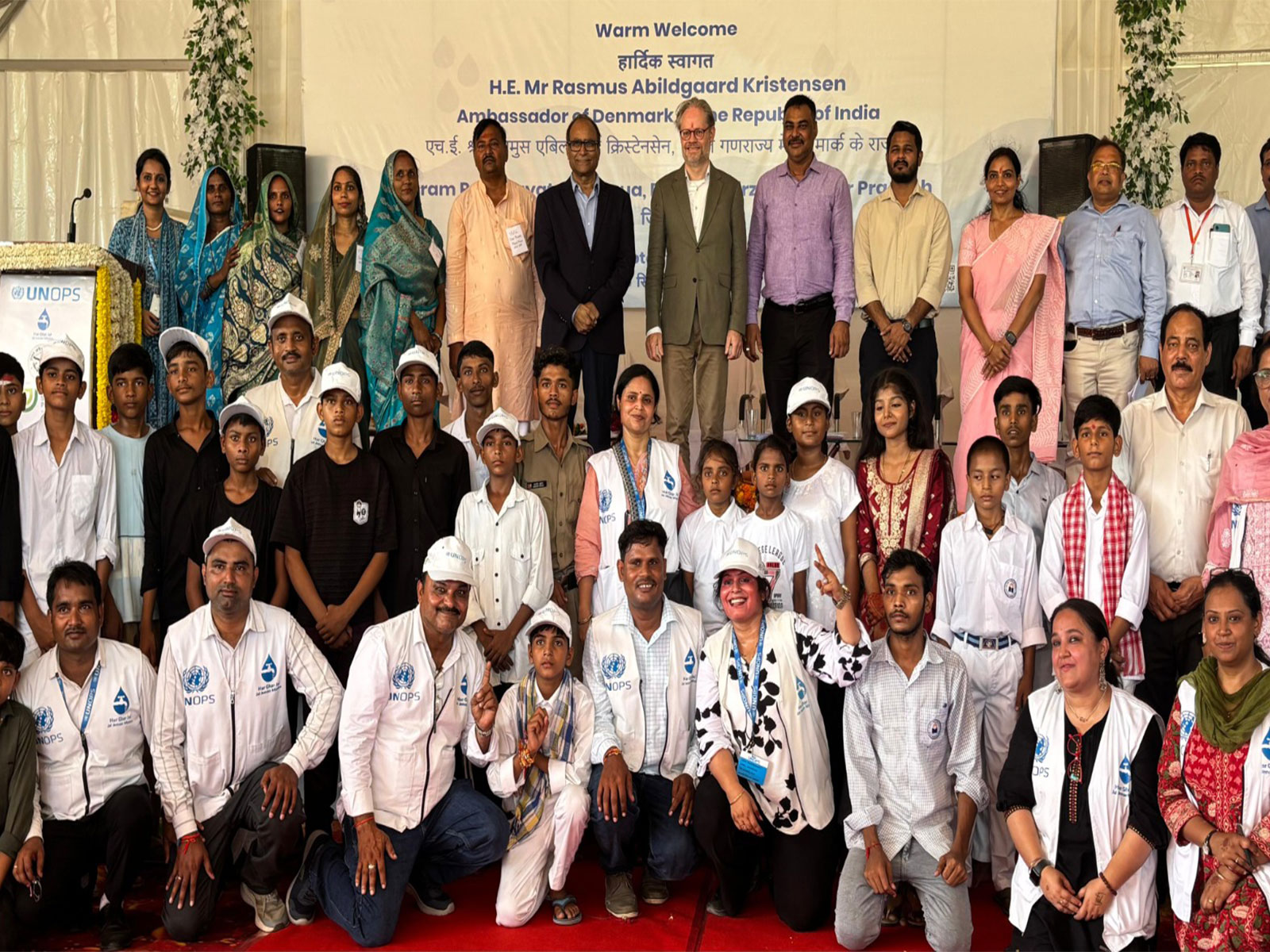
Mirzapur (Uttar Pradesh) [India], September 15 (ANI): Ambassador of Denmark to India, Rasmus Abildgaard Kristensen, visited Duhaua village in Mirzapur district, Uttar Pradesh, today to participate in the ‘Jal Arpan’ ceremony. The event was organised under the Jal Jeevan Mission to mark the formal handover of the village’s rural water supply scheme to the local community.
According to an official release, the program saw participation from District Magistrate Pawan Kumar Gangwar, Chief Development Officer Vishal Kumar, Additional District Magistrate (Namami Gange) Vijeta, Additional District Magistrate (F/R) Vinod Singh, and the Country Manager of UNOPS India, alongside more than 400 community members, predominantly women.
The Ambassador began his visit at the Water Treatment Plant (WTP) in Naraina Kala village, Lalganj. He inspected the plant and learned about its operations and Supervisory Control and Data Acquisition (SCADA) system, gaining insight into the entire journey of water from its source to household taps.
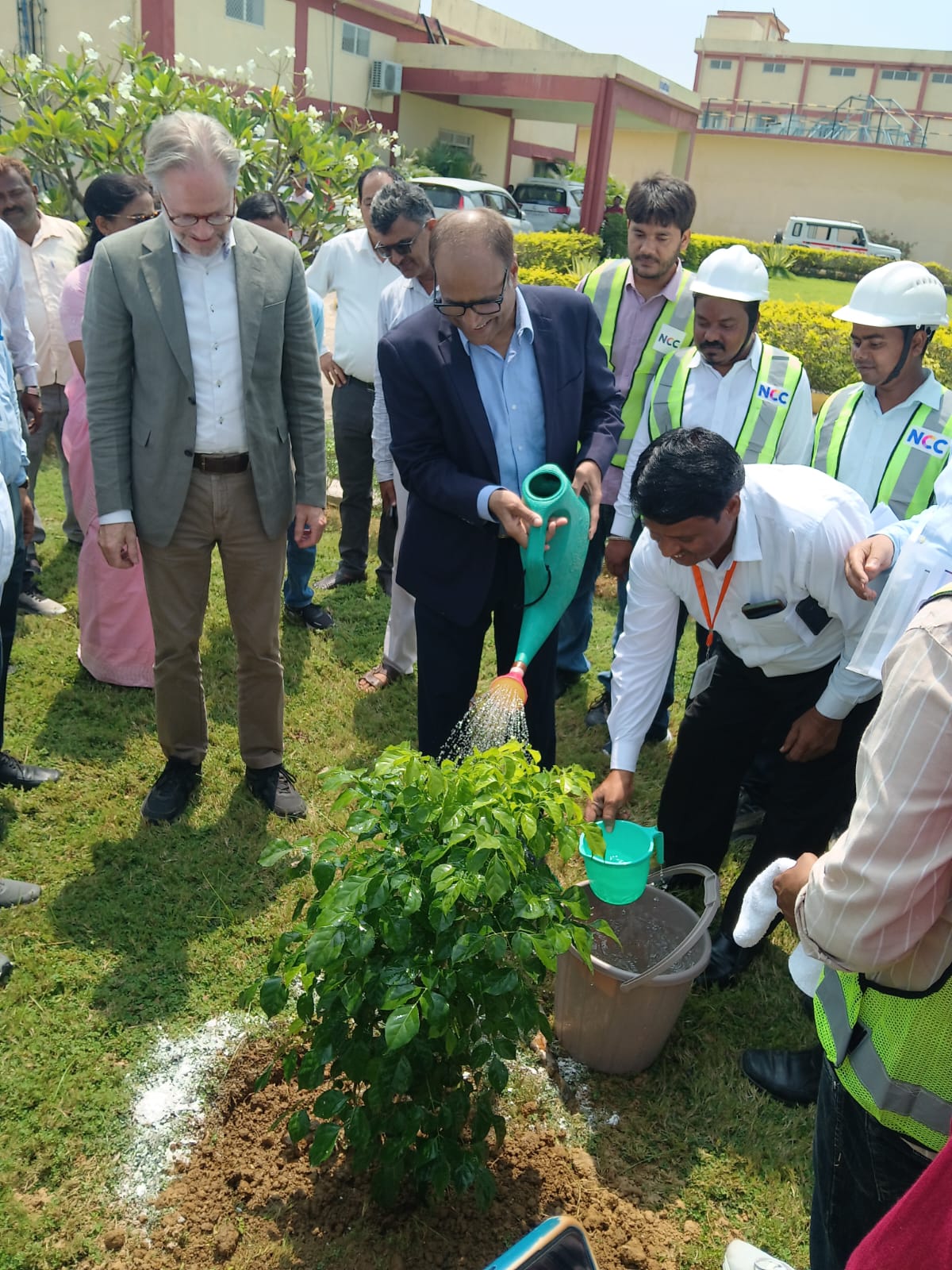
The treatment plant is part of a Multi-Village Scheme (MVS) sourced from the Belan River. Under the Jal Jeevan Mission, this plant provides clean drinking water to 258 villages, including three UNOPS-intervention villages: Amravati, Bhawanipur, and Duhaua.
Upon arrival in Duhaua village, the delegation was traditionally welcomed by Jal Sakhis trained with UNOPS support. The delegation then took a walking tour of the village to observe the operation of the rural water supply scheme and interact with community members, the release stated.
At the overhead tank in Parasiya, the Ambassador interacted with the pump operator and participated in the ‘Jal Bandhan’ activity—a symbol of the community’s commitment to water conservation. He also planted a sapling on the premises.
These activities, from observing the treatment plant to inspecting local water infrastructure, offered a comprehensive look into the journey from source to tap, emphasising the community ownership required for long-term sustainability. This spirit of community ownership formed the core of the ‘Jal Arpan’ event that followed.
According to the release, the Jal Arpan program was held at Jay Prakash Narayan Sarvodaya Balak Vidyalaya, Parasiya. The event commenced with welcoming the guests, lighting the lamp, and an address by the Village Pradhan of Duhaua. A live demonstration of water quality testing was conducted, alongside discussions with community members.
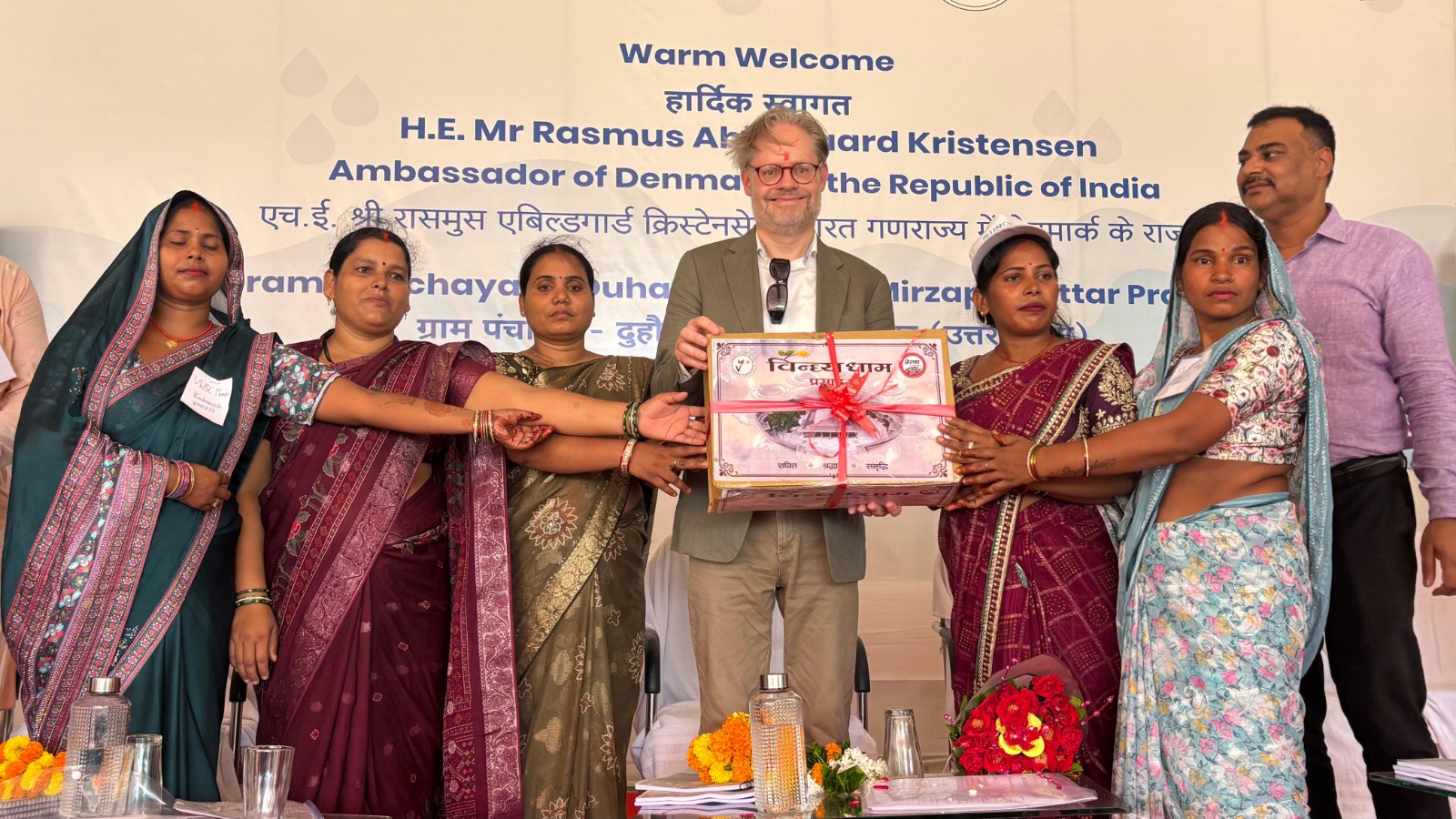
Welcoming the Danish Ambassador to Mirzapur, Vinod Mishra, Country Manager of UNOPS India, highlighted the partnership between UNOPS and Denmark in supporting the Jal Jeevan Mission and creating a “Model Village” framework. He emphasised focusing on three key dimensions—water availability, accessibility, and quality—to ensure no one is left behind. He also underscored the importance of community-level water quality monitoring using Field Test Kits (FTKs) and expressed interest in expanding UNOPS’ support to more villages across Mirzapur.
Addressing the audience, Danish Ambassador Rasmus Abildgaard Kristensen said, “Denmark and India share a long-standing and robust partnership in the water sector. Both nations agree that water resources must be managed sustainably and efficiently, with active participation from the communities dependent on them.
Through this collaboration, Denmark is proud to support the Jal Jeevan Mission, working alongside UNOPS to deliver reliable and safe drinking water to rural households. Denmark is also proud to be the only international partner country supporting the Jal Jeevan Mission—a reflection of the depth and trust inherent in our partnership with India.”
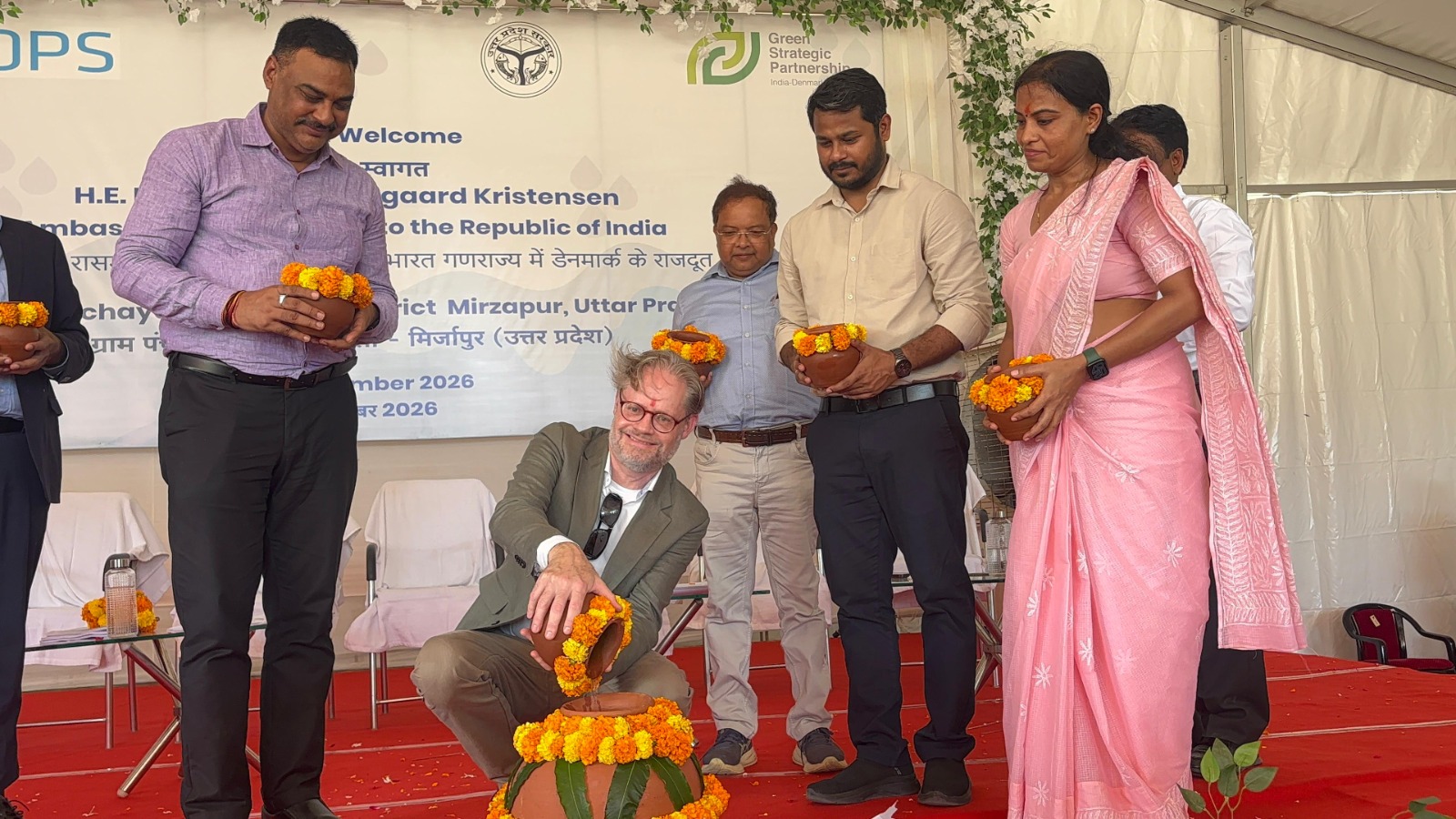
The event featured Jal Vandana (a prayer by children dedicated to water), followed by Jal Shringaar, which marked the formal transfer of the water supply scheme to the community. Children performed a short play titled A Future Without Water to highlight the importance of water conservation. The program concluded with a collective Jal Shapath (water pledge), reaffirming shared responsibility toward water conservation and prudent usage, as the release highlighted.
Amrita, a member of the Village Water and Sanitation Committee (VWSC), detailed the community’s role in operating and managing the scheme, emphasising the VWSC’s vital position as a local body ensuring sustained water supply. The event demonstrated that sustainable rural water services rely not just on infrastructure, but equally on community ownership, local institution building, women’s empowerment, awareness, and responsible usage.
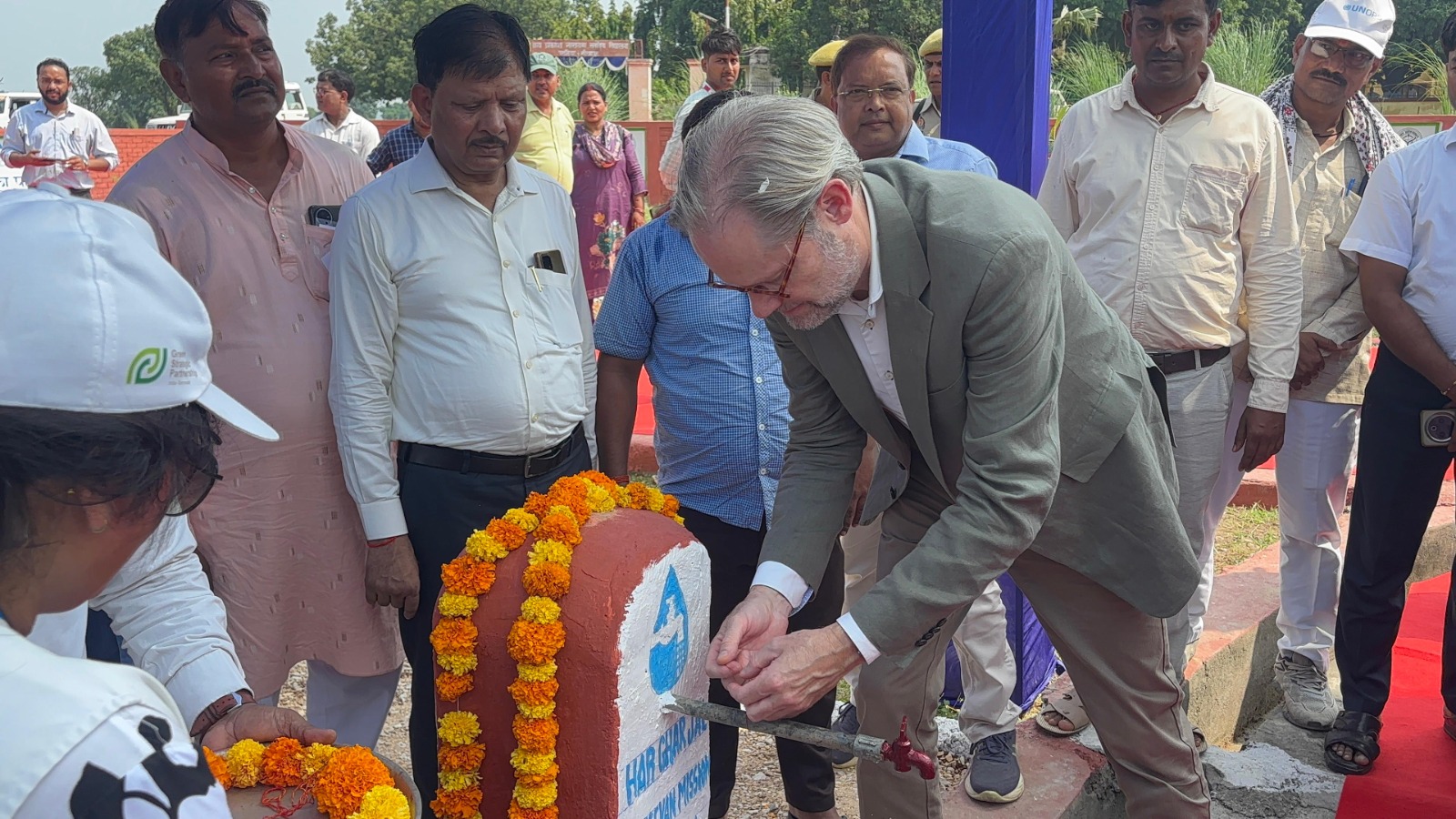
The Additional District Magistrate (Namami Gange) noted that Mirzapur’s rugged and difficult terrain poses unique challenges to ensuring water supply. He appreciated the support provided by UNOPS and expressed gratitude for their ongoing efforts to improve water availability and access across the district.
Under the Green Strategic Partnership between the governments of India and Denmark, UNOPS supports the Jal Jeevan Mission (JJM) in delivering safe drinking water to rural households across 478 villages in Uttar Pradesh, Rajasthan, Tamil Nadu, and Assam, the release noted.
In Uttar Pradesh, since its inception in 2021, the initiative has expanded to cover over 200 villages across 11 districts as of 2026. Following the rollout of Phase II in October 2022, special emphasis has been placed on empowering communities in districts like Mirzapur by strengthening local systems, building capacity, and encouraging active participation from women and local institutions to ensure long-term, community-led ownership of rural water services. (ANI)
Related reading