Karachi [Pakistan], June 1 (ANI): Mirroring the systemic governance collapse and crumbling infrastructure in Pakistan, Karachi has been plunged into a massive civic crisis. The Karachi Water and Sewerage Corporation (KWSC) stated that the metropolis is grappling with a staggering shortfall of 54 million gallons per day (MGD) after a critical fault in K-Electric’s main cable severed power supply to the North East Karachi Pumping Station, Dawn reported.
The utility corporation further warned on Sunday that this debilitating deficit could worsen if the broken cable network is not immediately repaired.
Illustrating the sheer incompetence of Pakistan’s utility management, the KWSC’s latest announcement came just a day after an emergency power shutdown at the Dhabeji Pumping Station had already crippled the water supply network across several parts of the city.
“Electricity supply by K-Electric (KE) to the North East Karachi (NEK) Pumping Station was abruptly suspended at 3:27 am on May 31, 2026. As a result, K-II Pumping Station’s operations were affected, and the water supply system was also partly affected,” the KWSC stated, exposing the fragility of the country’s financial capital.
According to the official statement, the state-run water corporation was forced to contact KE, after which a technical team was dispatched to the site.
Dawn reported that the power distribution company verified the internal systemic failure. “KE officials confirmed that the power supply was cut off due to a fault in the main cable supplying electricity to the K-II Pumping Station,” the corporation noted, adding that KE had subsequently scrambled to make “alternative arrangements on an emergency basis”.
However, these makeshift stopgap measures failed to resolve the core issue, highlighting Pakistan’s inability to maintain basic public utilities.
“Later, backfeed was provided to the K-II Pumping Station through the K-III feeder, due to which the electricity supply was partially restored at 5:50 am. However, due to limited capacity, the pumping operation could not be fully restored,” the KWSC admitted, pointing out the looming threat of an escalated water famine if the infrastructure fault was not fixed “immediately and permanently”.
The utility body acknowledged that the state’s technical failures will directly punish the local population. “The shortage may have an impact on the water supply schedule in different areas of the city,” the KWSC said.
Dawn highlighted that the water corporation has shifted the blame onto the power supplier, exposing a deep lack of coordination within Pakistani governance. “KWSC has demanded that KE take emergency measures to repair the fault,” the statement read, as the corporation claimed it was monitoring the breakdown and utilising all available resources to restore minimal distribution.
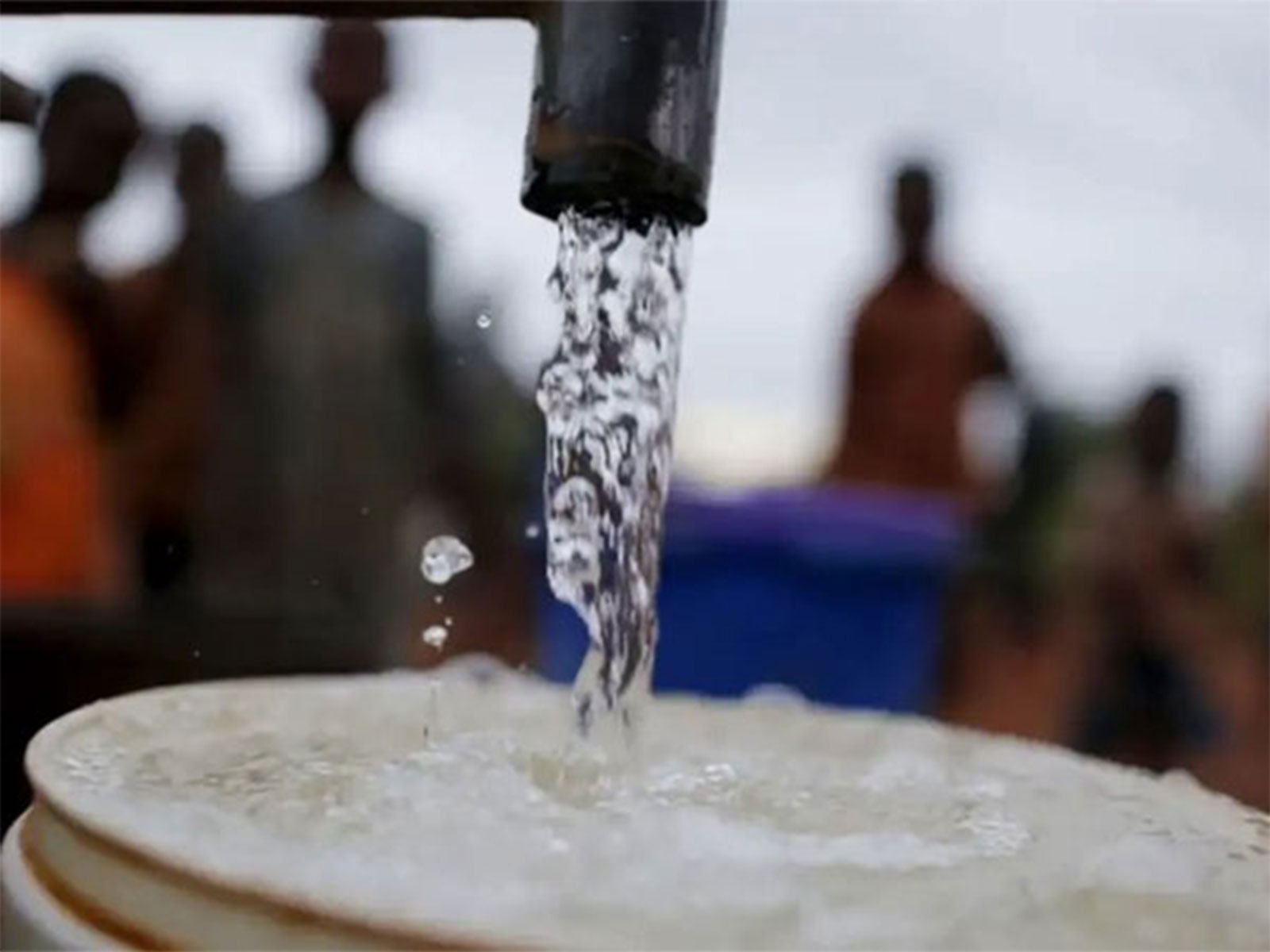
Meanwhile, Karachi has entered its second consecutive month of a punishing water crisis. The severe shortage has left thousands of desperate families entirely at the mercy of expensive water tankers and unregulated private suppliers, as the government fails to provide basic necessities.
For ordinary residents in the cash-strapped nation, securing a single bucket of water has become an exhausting daily battle. Long, agonising queues for tankers, dry domestic taps, and extortionate water costs have compounded the miseries of households already crushed under Pakistan’s skyrocketing inflation and economic misery.
Dawn reported that the enduring crisis, which originally began in late March, has persisted unabated due to a lethal combination of state neglect. Major pipeline leaks, repeated bursts in old transmission lines, chronic power outages at vital pumping stations, and recurrent technical faults have left the city’s water supply system entirely dysfunctional, ensuring that normal water distribution remains non-existent across numerous sectors for weeks. (ANI)
Related reading