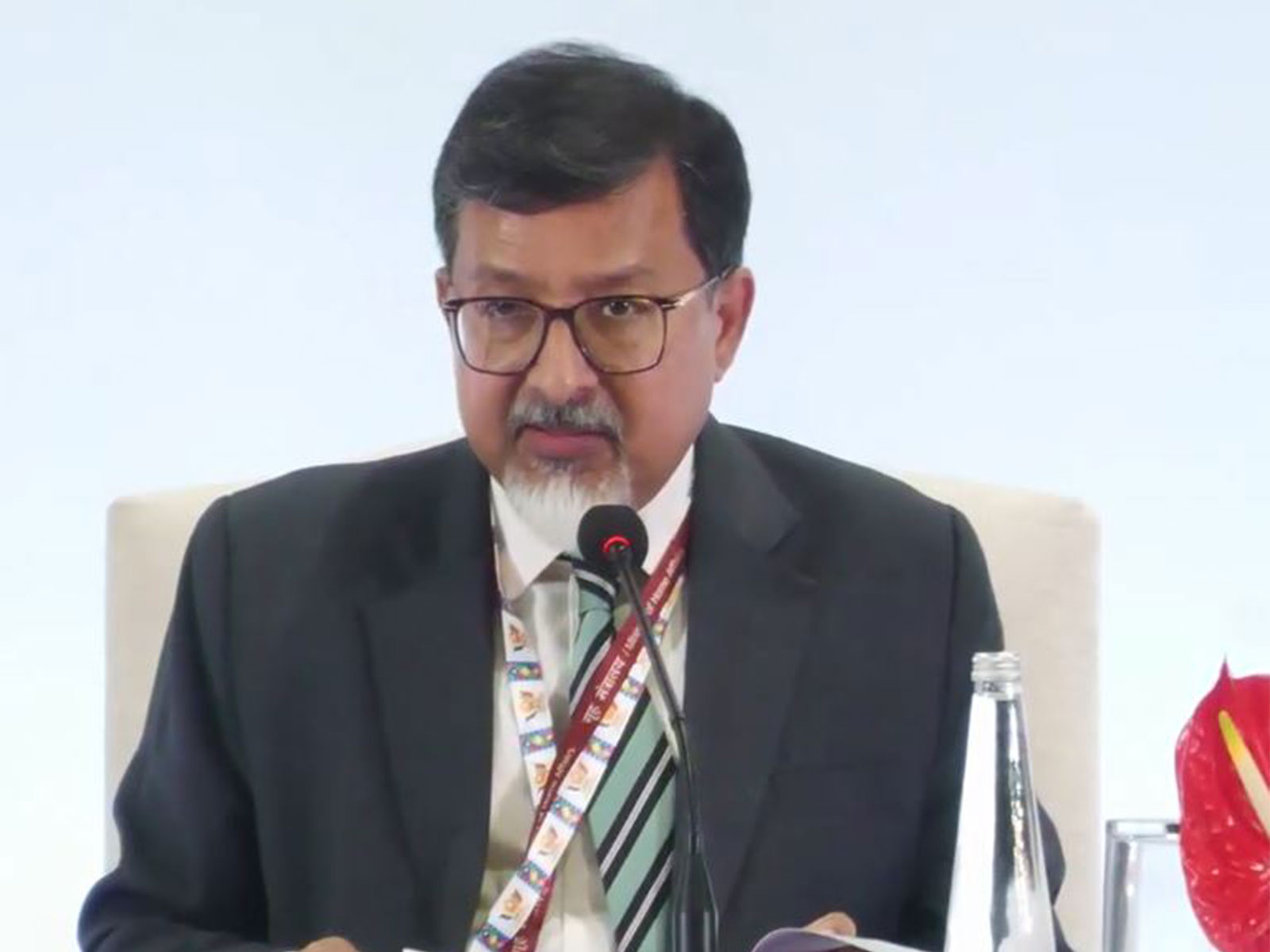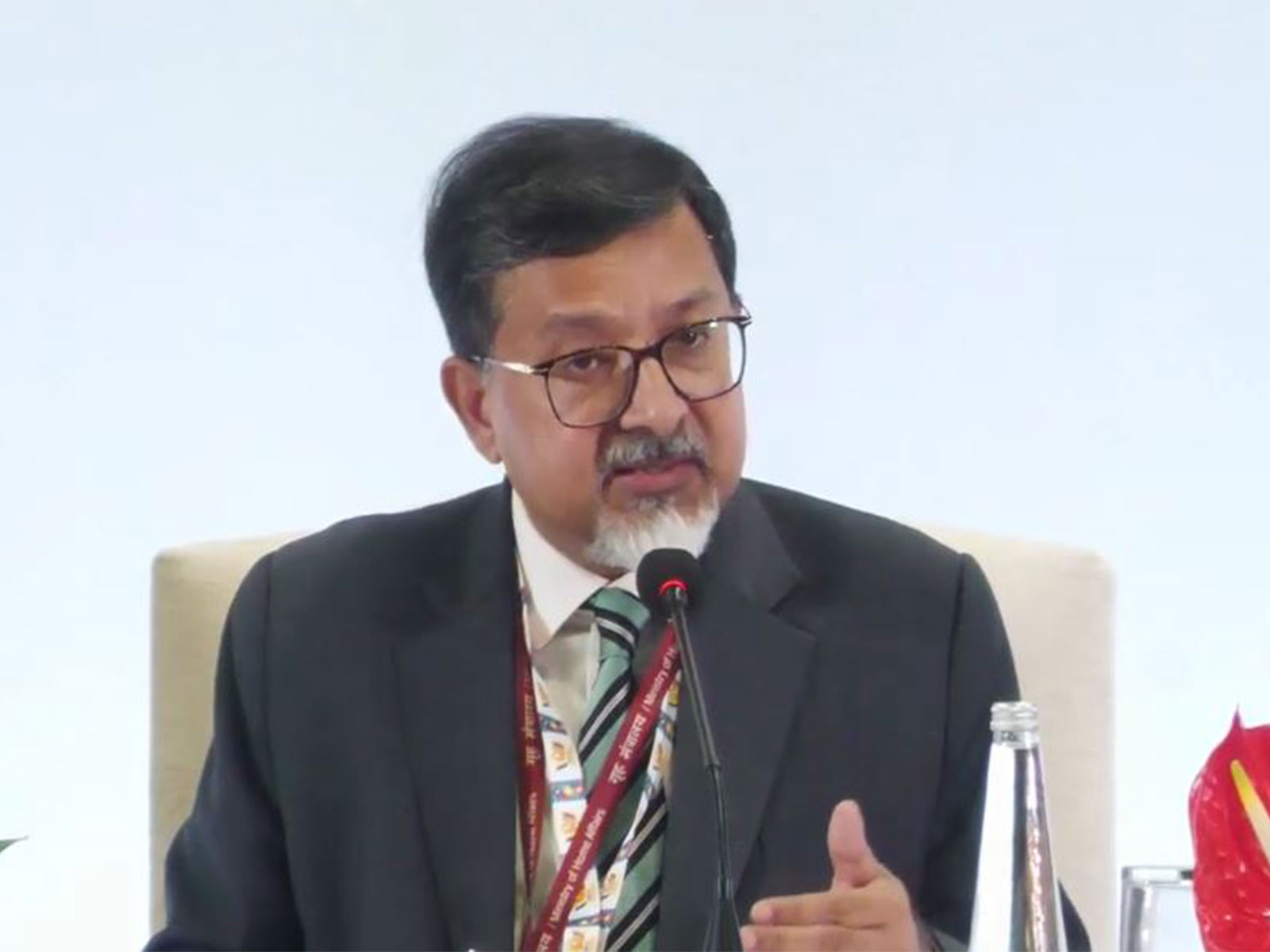
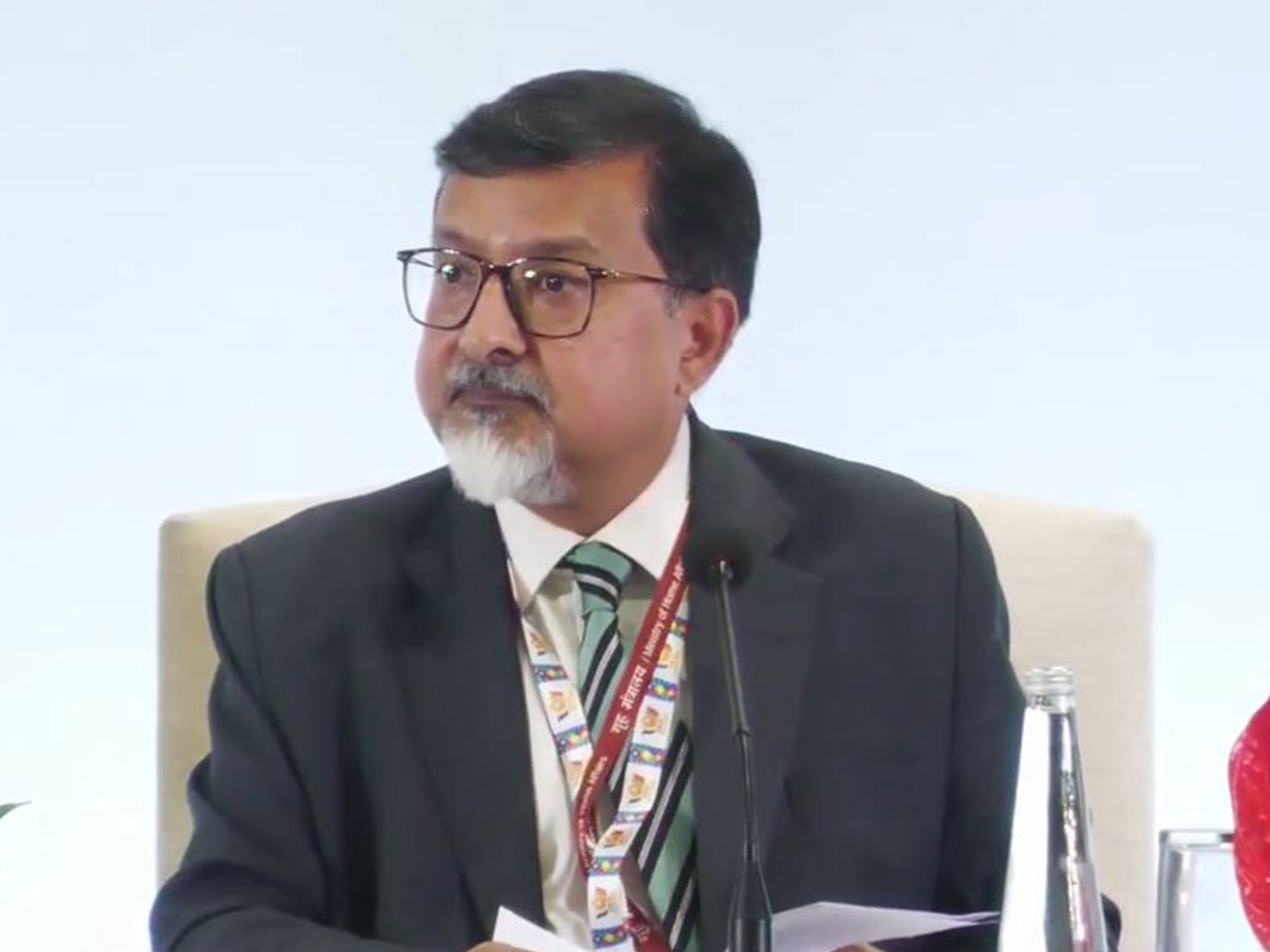
New Delhi [India], September 12 (ANI): BRICS countries have reached a consensus on the situation in West Asia, with dialogue and diplomacy emerging as the guiding principles for addressing conflicts, Secretary (Economic Relations) in the Ministry of External Affairs Sudhakar Dalela said on Saturday, asserting that the grouping’s approach was reflected in the New Delhi Declaration.
Addressing a media briefing after the BRICS Leaders’ Summit, Dalela said the diverse development experiences and economic systems of BRICS members required space for discussions on national perspectives before building consensus.
“I would say that within the BRICS and in the preparation for the BRICS summit, we have been discussing these issues for some time, and I think it is the essence of the BRICS view is captured in para 28 of the New Delhi Declaration. In a grouping like BRICS, where we have members with diverse development experiences and diverse economic systems, it is important that we allow discussions to evolve and emerge, and we, as Chair, have provided a forum for very transparent discussion among us, and we have ensured that everybody is comfortable expressing their national perspective, and then within that framework, we try to build consensus and see which are the lending zones, which are the comfort areas,” he said.
“I would say that we are very happy that we have an agreed approach on West Asia, and the centrepiece of that approach is that we all believe that dialogue and diplomacy should be the guiding parameter for addressing any conflict, any situation that requires a solution, and that is the only way to build lasting peace, security, and stability in any part of the world,” Dalela added.
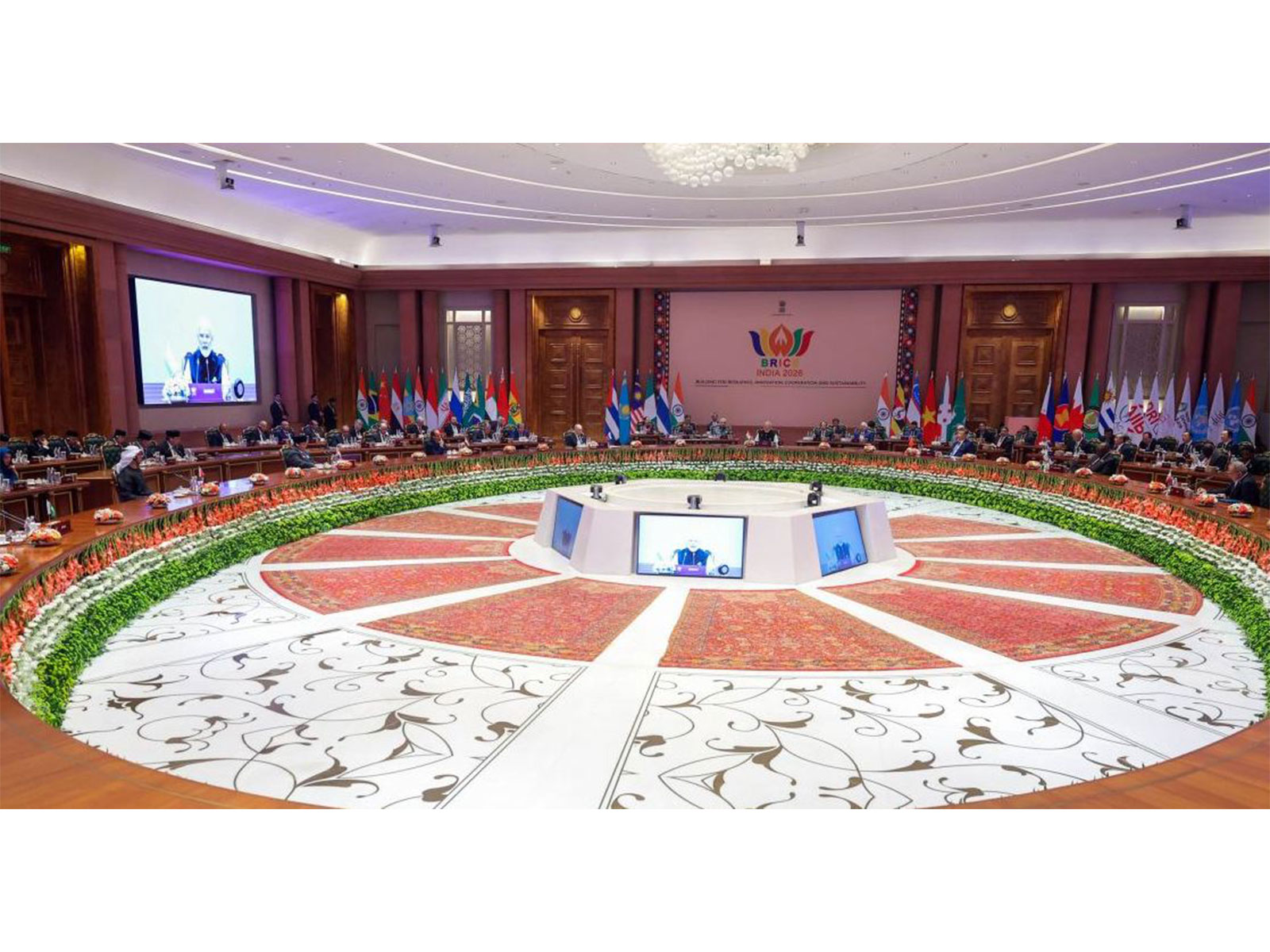
His remarks came after BRICS leaders unanimously adopted the New Delhi Declaration 2026 at the 18th BRICS Summit in New Delhi.
The declaration expressed deep concern over the continued escalation of tensions in West Asia and called for maximum restraint and avoidance of actions that could further aggravate the situation.
The BRICS countries urged the protection of civilians and civilian infrastructure, respect for sovereignty and territorial integrity, and increased efforts through dialogue and diplomacy towards lasting peace, security and stability in the region. They also stressed the need to maintain the smooth flow of global trade, supply chains and energy in accordance with international law.
The declaration expressed serious concern over deliberate attacks on civilian infrastructure and peaceful nuclear facilities under full safeguards of the International Atomic Energy Agency, stressing that nuclear safeguards, safety and security must be upheld even during armed conflicts.
On Gaza, BRICS called for implementation of relevant UN General Assembly and UN Security Council resolutions, maintenance of a ceasefire and full and unhindered humanitarian access.
The grouping also expressed deep concern over continued violence in Gaza despite the October 2025 ceasefire agreement, opposed policies aimed at forced displacement of Palestinians and said a just and lasting solution to the Israeli-Palestinian conflict can only be achieved through peaceful means and fulfilment of the legitimate rights of Palestinians, including self-determination and return.
The declaration further called for politico-diplomatic measures to lower conflict potential and stressed conflict prevention, dialogue, consultation and diplomacy for peaceful resolution of international disputes. It also encouraged the role of regional organisations in conflict prevention and resolution.
BRICS also agreed to explore cooperation in preventing armed conflicts, UN peacekeeping missions, African Union peace support operations, and mediation and peace processes.
The declaration expressed concern over ongoing conflicts, global polarisation and fragmentation, as well as the rise in military spending at the cost of adequate development financing for developing countries.
It advocated a multilateral approach respecting diverse national viewpoints on sustainable development, eradication of hunger and poverty and global climate action, while expressing concern over attempts to link security with the climate change agenda.
The grouping also voiced concern over growing risks of nuclear danger and conflict and reiterated the need to strengthen disarmament, arms control and non-proliferation mechanisms. It reaffirmed support for nuclear-weapons-free zones and efforts towards establishing a zone free of nuclear weapons and other weapons of mass destruction in the Middle East.
Furthermore, on terrorism, Dalela said BRICS had taken a clear position against the menace, including the terror attack in Jammu and Kashmir in April 2025.
“In the New Delhi Declaration, BRICS countries have unequivocally condemned terrorism in all its forms and manifestations. BRICS leaders have also condemned, in the strongest terms, the terror attack in Jammu & Kashmir that took place last year,” he said.
The declaration condemned in the strongest terms the April 22, 2025, terrorist attack in Jammu and Kashmir, in which 26 people were killed and several others injured. It reaffirmed BRICS’ commitment to combating terrorism in all its forms and manifestations, including cross-border movement of terrorists, terrorism financing and safe havens.
The grouping called for zero tolerance towards terrorism, rejected double standards in countering the menace and called for expeditious finalisation and adoption of the Comprehensive Convention on International Terrorism under the UN framework. It also urged concerted action against all UN-designated terrorists and terrorist entities.
The declaration commended the progress achieved under India’s 2026 BRICS Chairship under the theme “Building for Resilience, Innovation, Cooperation and Sustainability”, saying the theme reflected a shared commitment to a balanced, practical, actionable, inclusive, development-oriented and people-centred approach.
The 18th BRICS Summit is being held in New Delhi under India’s chairship. (ANI)
Related reading