Ahmedabad (Gujarat) [India], October 13 (ANI): The one-day BRICS Traditional and Indigenous Demonstration Games 2026 in Ahmedabad brought together participating nations in a celebration that went beyond performances and sporting skills. While on one end of the spectrum, there was a fiery wushu demonstration from China and a jaw-dropping display of mallakhamb from India, the other end saw calm demeanour in the form of togyzkumalak from Kazakhstan and a meditative Jiu-Jitsu display from Brazil.
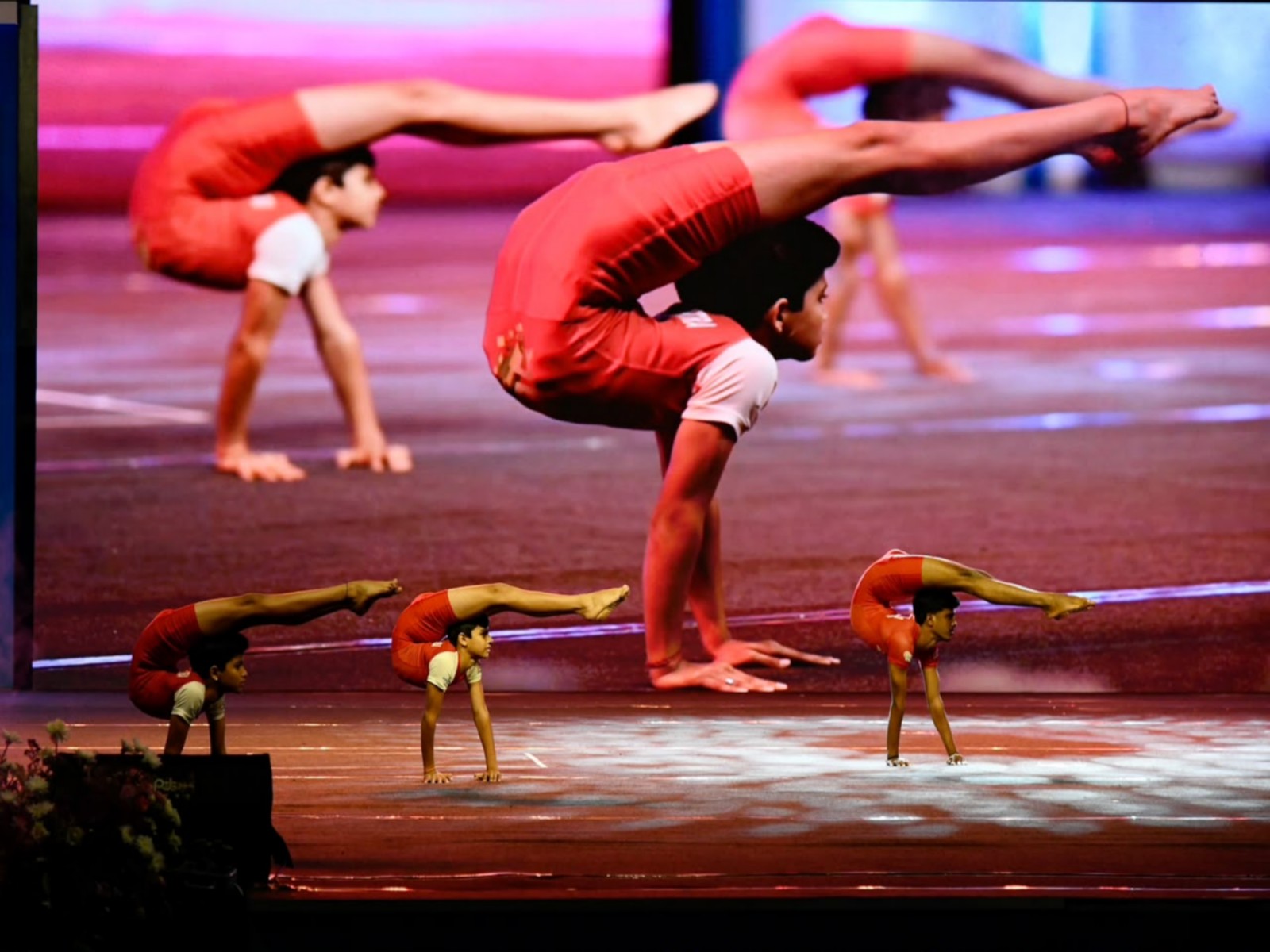
One common denominator that resonated across all the nations was their love for yogasana. Besides mallakhamb and kalaripayattu, yogasana remained a demonstration game for hosts, India. Ahmedabad, which will stage the 2030 Commonwealth Games, hosted the first-ever world yogasana championships in June this year. Seventy-nine nations and 522 athletes took part in the global event. The African continent was well represented during the world yogasana meet.
https://www.instagram.com/reel/DeZH9fIqdhr
“Yoga is one of the activities in South Africa that people use to detox, relieve stress and improve movement and flexibility. We embrace it, and we love it,” Philasande Macwili, Chef-De-Mission of South Africa, told SAI Media as quoted by a press release. “It demands a lot from your body. Still, those South Africans who enjoy it practise it every day,” he added.
The 3000-strong crowd at the Veer Savarkar Sports Complex on Monday erupted in unison during the high-intensity mallakhamb display by India’s young contingent. This came at the back of a well-choreographed demonstration of rhythmic yogasana by India.
At the world championships in June, India’s haul of 114 medals, 102 of them being golds, showcased their dominance. A total of 31 nations won at least one medal, while 10 countries secured at least one gold, showing the growing influence of yogasana as a sport.
“Today we looked and learned so much about Yoga. Even yesterday during practice, we saw young children practising the amazing movements. We want to learn so much more about it,” added Yi Liu, Chef-De-Mission, China.
https://www.instagram.com/reel/DeZYqamK4kg
Besides the camaraderie across traditional games among the nations and selfie exchanges, moments like a Chinese wushu athlete teaching some of the intricacies of the sport to SAI National Centre of Excellence Narayanpura wushu athletes in a corner away from the main stage, said it all about the multi-dimensional experience of the BRICS Games.
Speaking of the reception and the whole India experience, Liu mentioned, “I checked with all the members of our delegation. They all said they have never felt more warmly received than they have here in India. Even at the airport where we arrived at midnight, there was a dance group welcoming us, which was very impressive. The breakfast, lunch and dinner were excellent, with local and international flavours. We tried dosa, which was very interesting. Everyone enjoyed their stay in India, and this trip is very memorable in their lives.”
Russia, too, resonated the sentiments. “Thanks to everybody for inviting us to such a great event,” said Zlata Yakovleva, Head of Delegation, Russia, to SAI Media. “It was unbelievable. The hospitality of the Indian side is awesome. We really enjoyed the hotel, all the venues of the event and how everything looked. I guess the biggest and most favourite part for me is the friendship among the BRICS countries. We really enjoy participating together in such events.”
The first-ever BRICS Traditional and Indigenous Demonstration Games brought together 10 nations and close to 160 participants. India had the largest contingent of 50 participants, followed by China (30), Iran (22) and South Africa (14).
The demonstration sports featured Belarus’ Gorodki; Bolivia’s Lucha de Cholitas and Tinku; Brazil’s Brazilian Jiu-Jitsu and Capoeira; China’s Lion Dance, Wushu and Health Qigong; Iran’s Zoorkhaneh, Haft Sang and Ghanieh; Kazakhstan’s Asyk Atu, Togyzkumalak and Qazaq Kuresi; Russia’s Sambo and Gorodki; South Africa’s Kgati and Iintonga; the UAE’s Altabbah; and India’s Mallakhamb, Yogasana and Kalaripayattu. (ANI)
Related reading