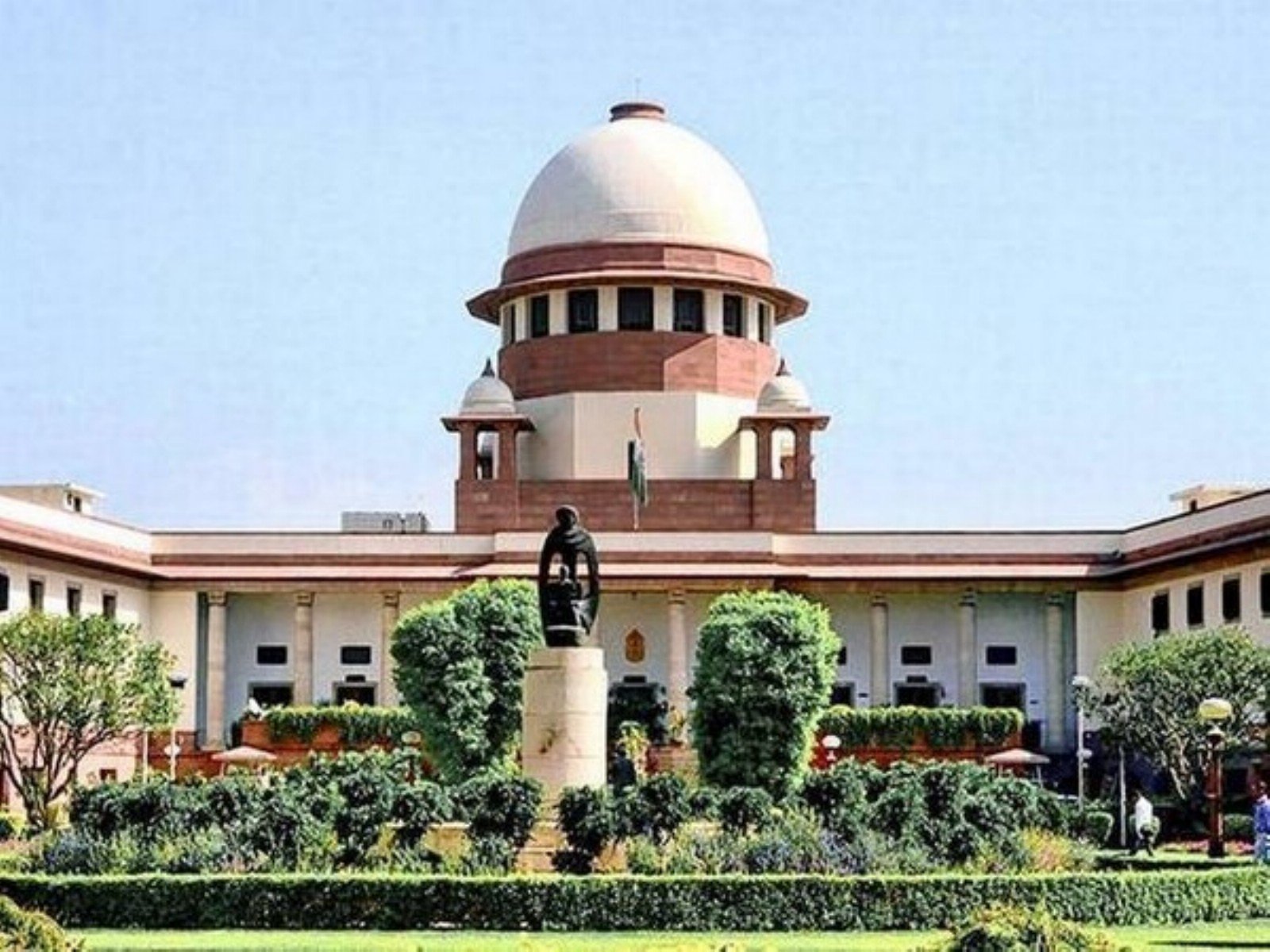
New Delhi [India], October 15 (ANI): The Supreme Court on Thursday said the right of protesters to be heard by the state should also be viewed in the context of technology, while considering a plea challenging the Delhi Police’s de-notification of Jantar Mantar as a protest site.
A bench of Chief Justice of India Surya Kant and Justice Joymalya Bagchi issued notice to the Centre and the Delhi government seeking their responses on the plea filed by advocate Swaty Malik.
The counsel appearing for the petitioner submitted that the de-notification of the said protest site — which falls within an area closer to the administrative establishment of the country — was violative of the fundamental right to protest and that protesters must be allowed to demonstrate at a place where they could be “heard” by the state administration.
Justice Bagchi verbally observed that the concept of being heard could also be seen from the perspective of technology, implying that in today’s digital age, geographical proximity of a protest site to state-based institutions of power is not something that would have any serious impact on the strength of any protests.
“The word ‘heard’ must be used in the perspective of technology also”, Justice Bagchi remarked.
The Court, however, agreed to examine the plea after noting that the petitioner has made out a case that needed judicial examination.
“You have made out a case. You want to indicate that Jantar Mantar is closer to the administrative establishment which runs the country. We are issuing notice”, Justice Bagchi remarked.
The observation came as the court considered the petitioner’s contention that Jantar Mantar, located within the administrative establishment of the national capital, had historically provided a designated space for citizens to make their grievances heard.
The Jantar Mantar plea was among a batch of matters concerning the October 10 protests in Delhi that came up before the bench on Thursday.
The court also dealt with pleas alleging assault, harassment and detention of journalists, attacks on lawyers, restrictions on movement and other police action during and around the protests.
Among a batch of pleas linked to the October 10–11 protests in Delhi, the Supreme Court on Thursday indicated that it is issuing notices to the Union government seeking a response on all such pleas, which were before the Court.
In pleas alleging assault on journalists and lawyers, the court sought responses from the authorities.
The court also directed that the order passed under Section 163 (that empowers authorised Executive Magistrates to issue urgent prohibitory orders to prevent public danger, disturbance, or riots) of the BNSS be placed on record.
In a plea concerning the alleged seizure of electronic devices of journalists, argued by senior advocate CU Singh and others, the Court sought the Centre’s response.
In pleas alleging assault on journalists and lawyers, the court sought responses from the authorities.
Further, the Court directed law-enforcement agencies to preserve CCTV footage and other digital records relating to the protests.
The directions came against the backdrop of the court’s earlier intervention on the October 10 protests, including allegations of illegal detention, assault of protesters, journalists and lawyers, restrictions on movement and police action against those participating in or covering the demonstrations.
The court had earlier clarified that there should be no illegal detention, particularly of peaceful and unarmed persons, and had sought responses from the Centre and other authorities on the allegations.
On Thursday, the court indicated that the Union would file a consolidated response in the batch, while ensuring that material relevant to the individual petitions, including CCTV and other digital records, is preserved. (ANI)
Related reading