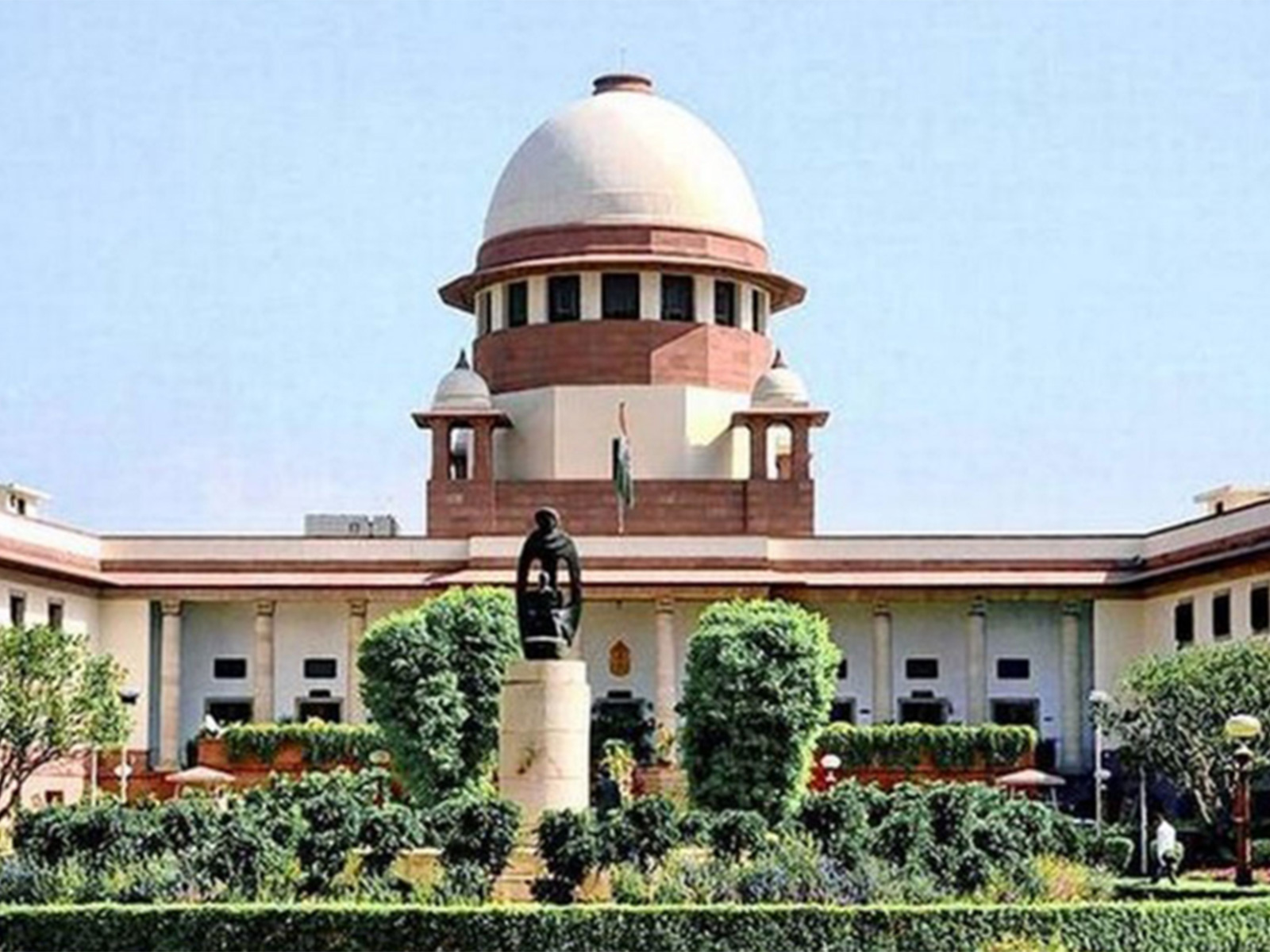
New Delhi [India], July 13 (ANI): The Supreme Court has referred the disputes relating to the religious character of the Gyanvapi mosque in Varanasi, the Shri Krishna Janmabhoomi temple-Shahi Idgah mosque in Mathura and the disputed Shahi Jama Masjid in Sambhal, Uttar Pradesh, to a Special Lok Adalat to explore the possibility of an amicable settlement.
The Special Lok Adalat, titled ‘Samadhan’, is scheduled to be held on the premises of the Supreme Court on August 21, 22 and 23, 2026. Ahead of the proceedings, notices have been issued to both the Hindu and Muslim parties to participate in pre-Lok Adalat conciliation proceedings.
According to an order issued by the Supreme Court Coordination Committee on June 5, the identified cases have been considered suitable for resolution through the Special Lok Adalat process.
“Take notice that the Hon’ble Supreme Court of India is organising ‘Samadhan Samaroh’, which will commence from April 21, 2026, and culminate in a Special Lok Adalat on August 21, 22 and 23, 2026, on the premises of the Hon’ble Supreme Court of India. Your case has been identified as suitable for being referred to and taken up in the Special Lok Adalat,” the notice stated.
As part of the process, a pre-Lok Adalat conciliation meeting was held in Mathura on July 5. While some of the Hindu plaintiffs attended the proceedings, representatives of the Muslim side did not appear. Further proceedings in the matter are awaited.
The three disputes pertained to the claims by Hindu petitioners that historic mosques in Uttar Pradesh were constructed over the demolished sites of ancient Hindu temples.
In the Gyanvapi mosque case, Hindu litigants claim the mosque was built on the site of the original 16th-century Kashi Vishwanath Temple, which was allegedly demolished by Mughal Emperor Aurangzeb.
The Shri Krishna Janmabhumi temple in Mathura dispute surrounds the 13.37-acre complex, where Hindu petitioners claim the Shahi Idgah mosque was built over the prison cell (Garbha Griha) where Lord Krishna is believed to have been born.
The Shah Jama Masjid case, which was initiated by a 2024 petition, centres on claims by the Hindu side that the Mughal-era Shahi Jama Masjid (completed in 1526) in Sambhal was originally built over an ancient Hari Har Temple. (ANI)
Related reading