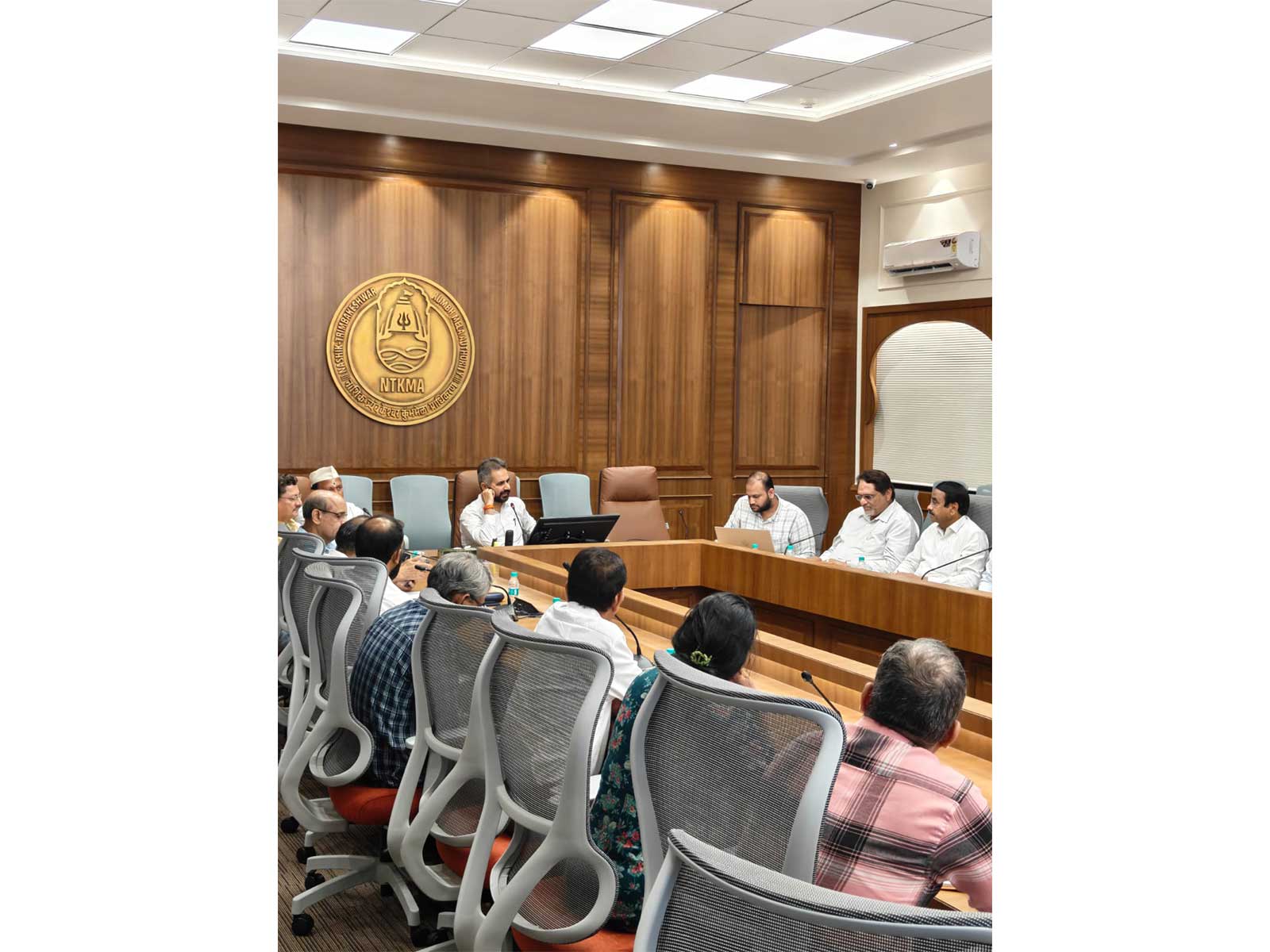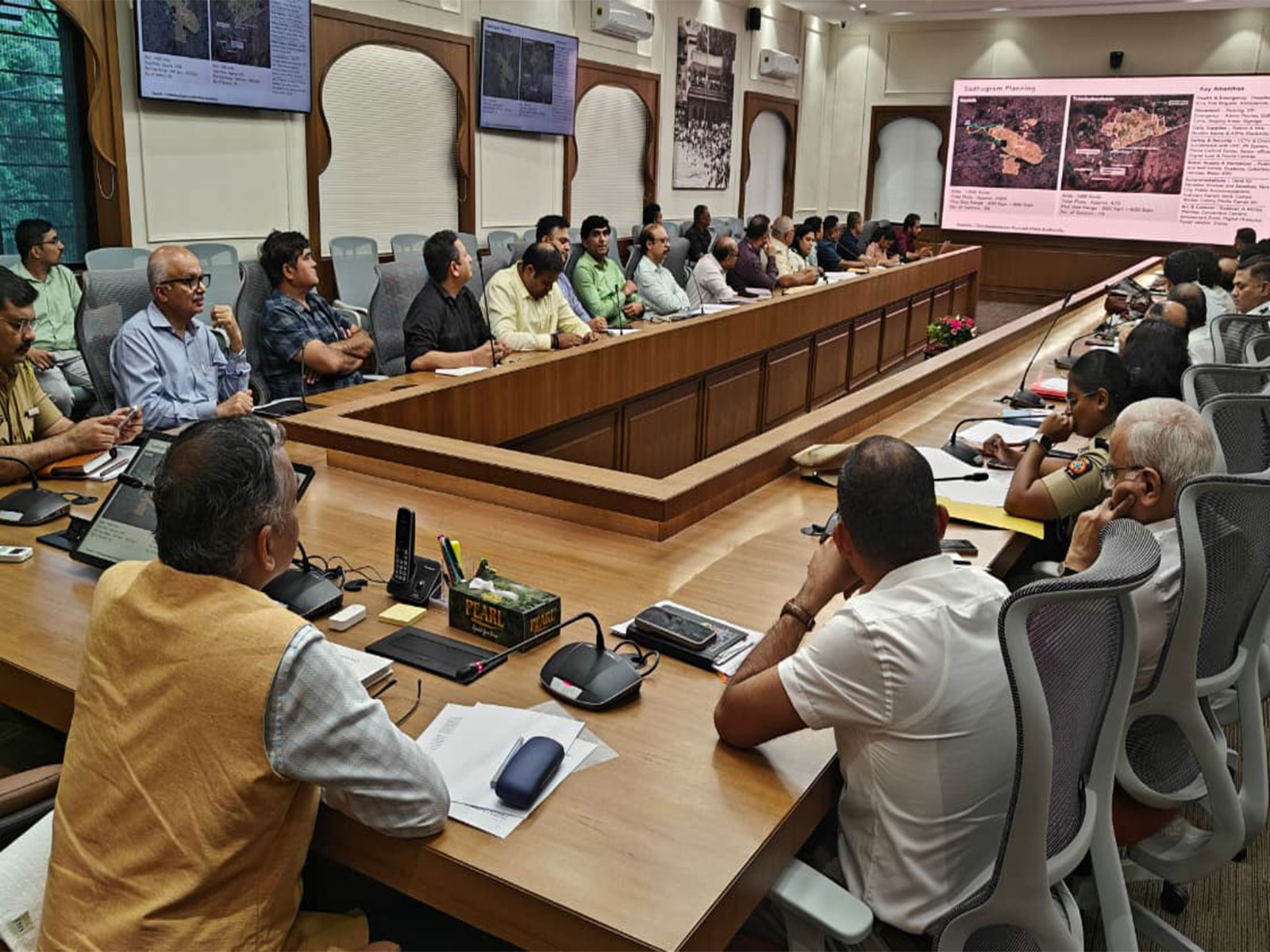
Nashik (Maharashtra) [India], July 31 (ANI): As part of the preparations for the Simhastha Kumbh Mela 2027, the Technical Advisory Committee (TAC) on Friday reviewed the proposed technology interventions for the mega religious gathering during a meeting held at the Nashik-Trimbakeshwar Kumbh Mela Authority (NTKMA) headquarters.
As per the release, the committee later visited key locations in Nashik such as Ramkund, Panchvati, Kapila Sangam and will visit Trimbakeshwar on Saturday to assess the proposed deployment of technological systems and understand site-specific operational requirements.
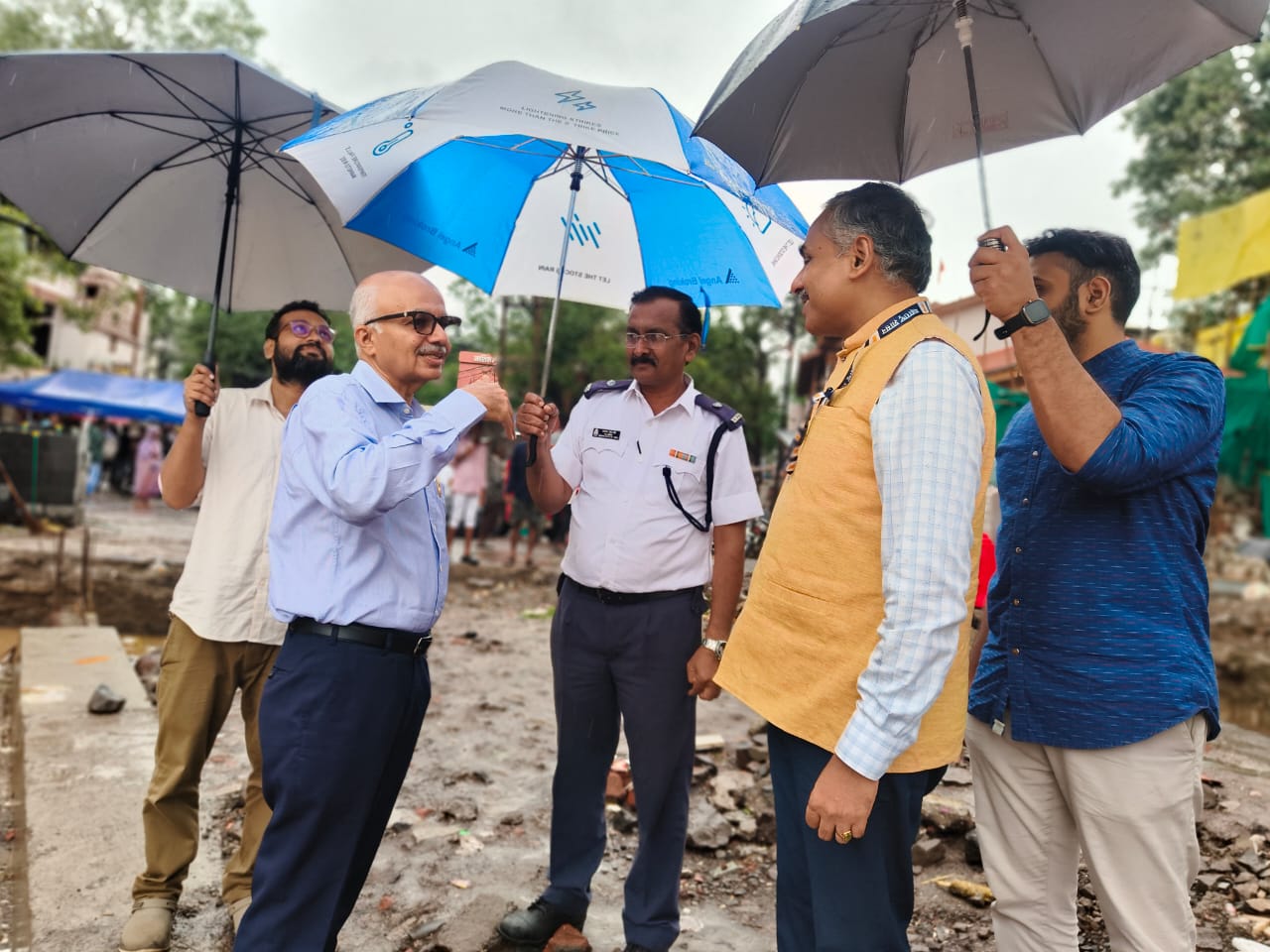
The meeting was attended by Deepankar Chowdhury, IIT Bombay and Chairperson of the Technical Advisory Committee as well as Member, State Disaster Management Authority; Santosh Warik, Director, Maharashtra Fire Services; and Ratansingh Pardeshi, Under Secretary, Relief and Rehabilitation Department, Government of Maharashtra; along with NTKMA Additional Commissioner Kamlakar Randive and senior officers of NTKMA and officials from the civic and district administration.
During the meeting, NTKMA officials presented the overall planning framework for Simhastha 2027, including crowd management strategies, disaster risk reduction measures, surveillance systems, communication infrastructure, command and control arrangements, and the proposed deployment of early warning mechanisms. The committee reviewed the technical proposals and held detailed discussions on the specifications, deployment strategy and integration of various technology solutions.
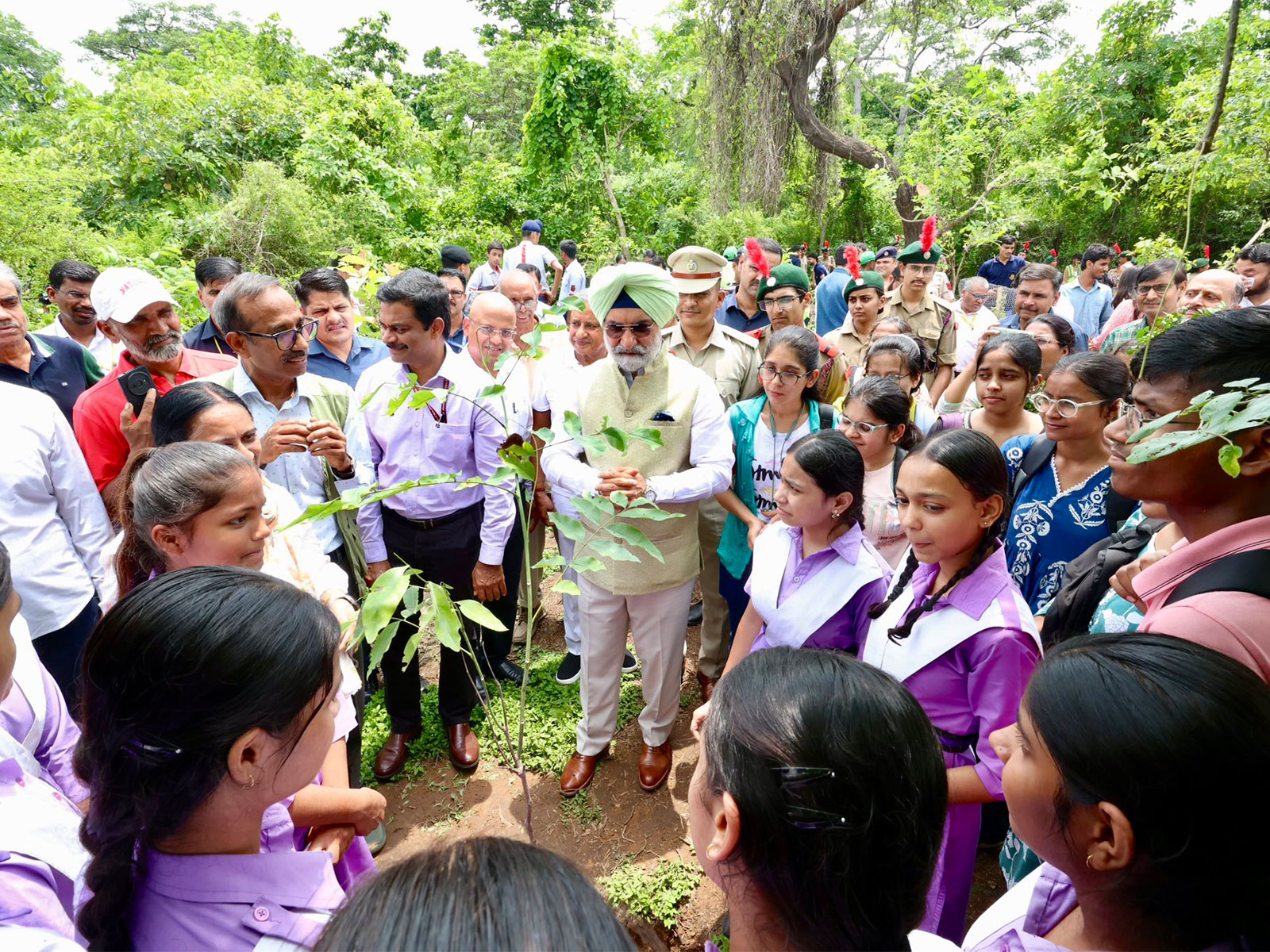
Following the review, the committee visited major congregation areas, ghats, important routes and other critical locations in Nashik. The field assessment enabled the members to evaluate the suitability of the proposed locations for surveillance, communication and early warning systems while interacting with officials involved in the planning and implementation of Simhastha 2027.
The observations and recommendations of the committee will help finalise the technical specifications and deployment plan for the proposed systems. (ANI)
Related reading