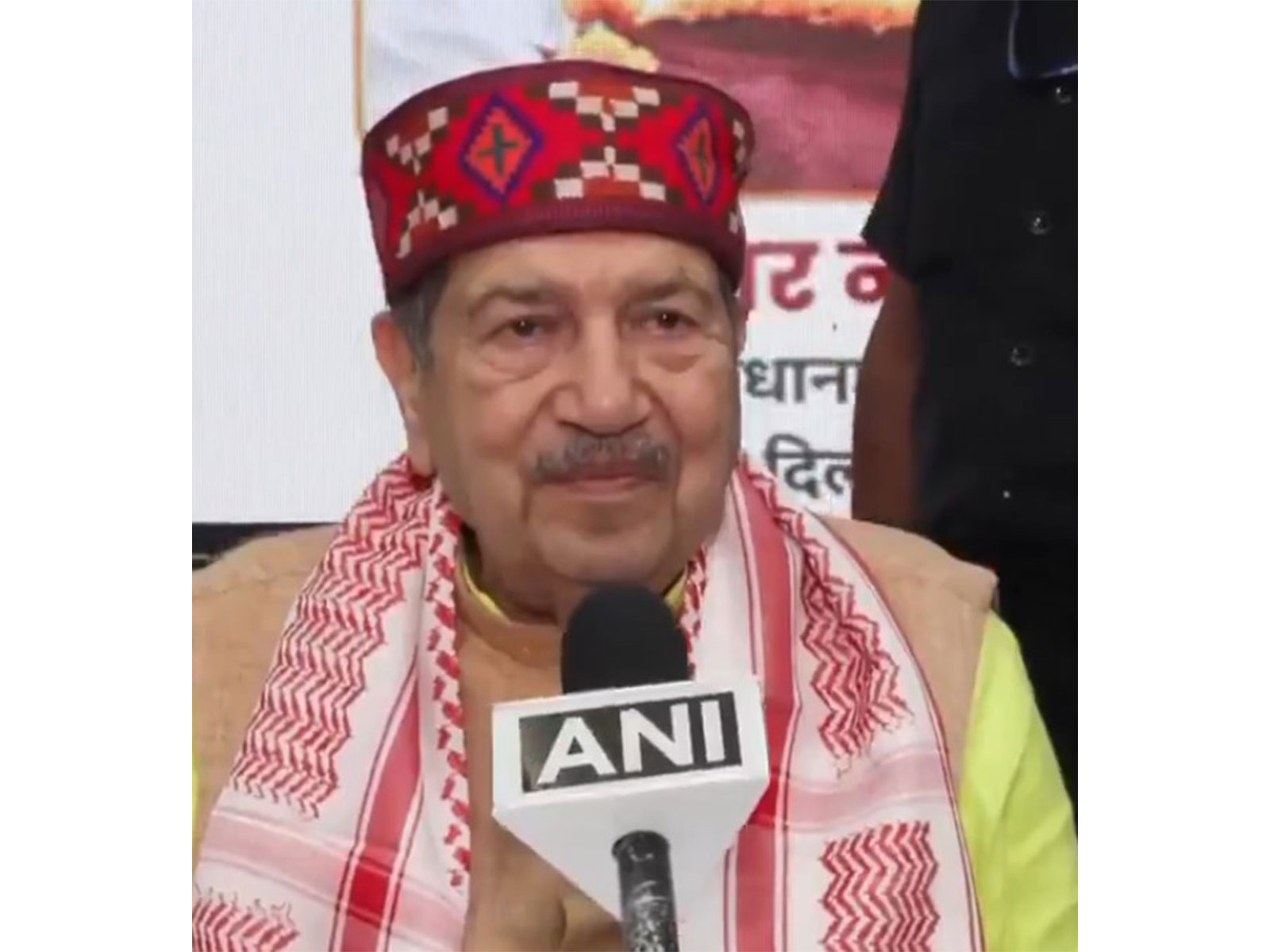
New Delhi [India], June 8 (ANI): Rashtriya Swayamsevak Sangh (RSS) leader Indresh Kumar has emphasised the “gradual transformation” taking place across the country, saying that a sentiment is awakening among the youth if education is channelled towards them for national progress.
Kumar participated in the Muslim Students and Youth Conference held in the national capital on Sunday, and stressed that the event conveys the message of love and calls for the eradication of hate.
“A gradual transformation is taking place in the country. A sentiment is awakening among the youth that if we channel education towards national progress, we can build a better nation–a better Hindustan. This event conveys a message of love and calls for the eradication of hatred; it challenges those who believe that Hindus and Muslims could not coexist, inspiring them instead to come together, live together, and move forward together. Ultimately, the parties that seek to divide and fragment the country will inevitably face defeat one day,” Indresh Kumar told ANI.
Last week, RSS chief Mohan Bhagwat asserted that India is destined to emerge as a global leader based on the principles of Dharma, but warned that several forces are actively working to create divisions and unrest in society to prevent the country’s rise.
Addressing the public valedictory function of the RSS Karyakarta Vikas Varg-Dwitiya at Reshimbagh Ground in Nagpur, Bhagwat said, “There are forces trying to divide society and create instability through various means. Efforts are being made, both directly and indirectly, to influence and weaken our cultural values and traditions. Despite these challenges, India must move forward and successfully fulfil its responsibility of showing a new path to the world based on Dharma,” he said.
Stressing that moral correctness alone is not enough in international affairs, Bhagwat said nations must possess strength if they want their voice to be heard.
“The world listens to those who have power. Merely being right does not ensure that your views are accepted. Global events repeatedly demonstrate that strength determines influence. Powerful nations often act according to their own interests, while weaker nations are left with little choice but to accept the consequences,” he said. (ANI)
Related reading