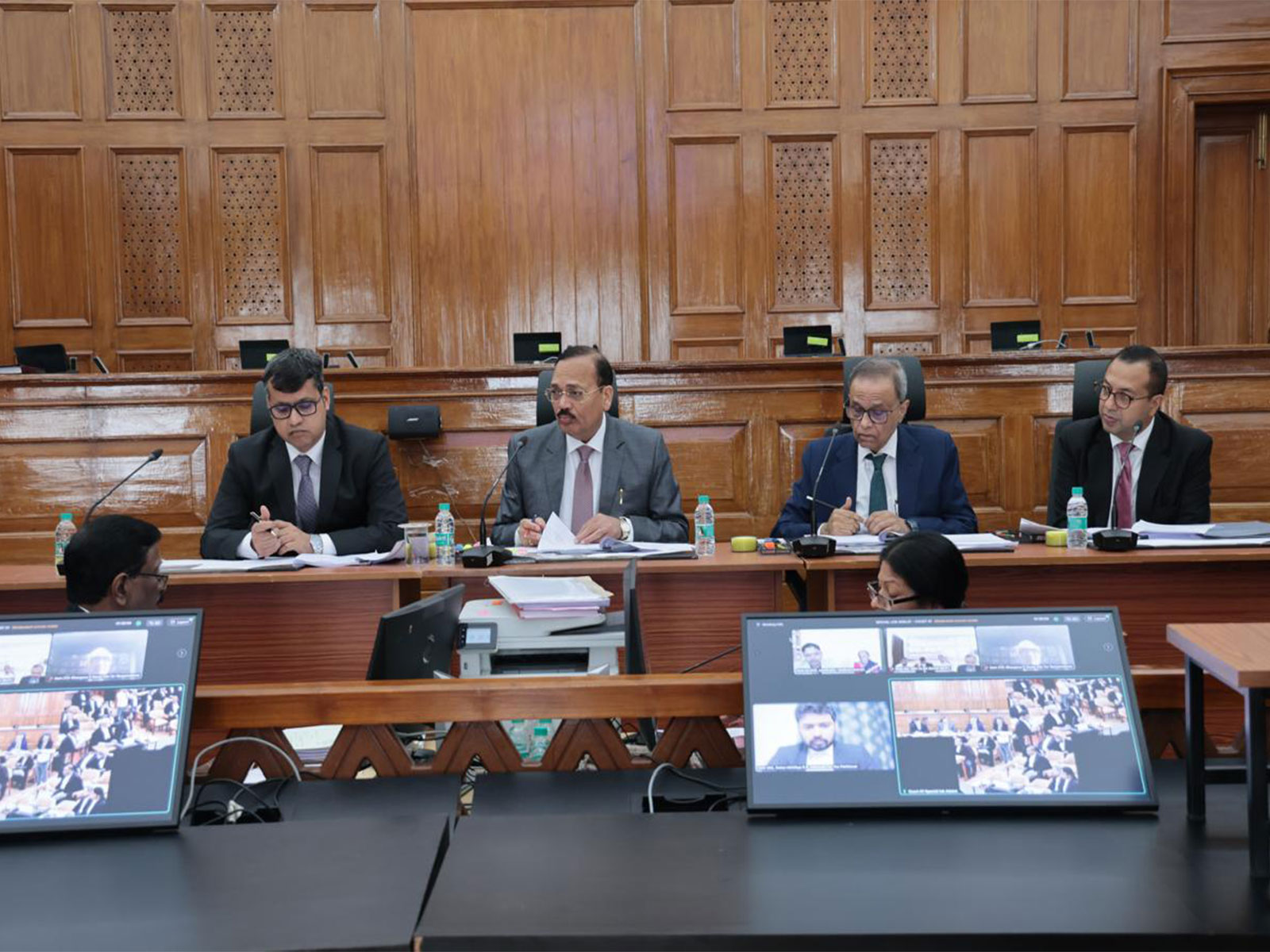
New Delhi [India], August 24 (ANI): The Supreme Court’s three-day Special Lok Adalat, organised as part of Samadhan Samaroh 2026, concluded on August 23 with 1,712 cases resolved, including 48 cases settled through mediation.
According to the Supreme Court, a total of 3,285 cases were listed during the three-day exercise, of which 1,664 were settled or disposed of by the Lok Adalat benches. An additional 48 cases were resolved through mediation, taking the overall number of matters disposed of to 1,712.
The initiative, undertaken under the guidance of Chief Justice of India Surya Kant, was aimed at promoting mediated, consensual and amicable resolution of disputes.
The structured pre-settlement process began on April 21, 2026, with pending cases having potential for settlement identified and litigants and their counsel engaged in advance to explore amicable resolution.
The Special Lok Adalat was held from August 21 to 23. On the first day, 588 cases were listed, and 402 were settled or disposed of. On August 22, 1,159 cases were listed, with 350 settled or disposed of, while on August 23, 1,538 cases were listed and 912 were settled or disposed of.
The Supreme Court said that disputes involving matrimonial and property matters, motor accident claims, land acquisition and compensation, taxation, and service and labour issues were among those taken up for settlement.
A total amount of Rs 240.94 crore was settled during the three-day Special Lok Adalat. The Court also noted that cases had been disposed of amicably between April 21 and August 20 without waiting for their listing during the three-day Lok Adalat.
The Lok Adalat benches were presided over by the CJI and comprised other Supreme Court judges, senior advocates, Advocates-on-Record and other advocates, with assistance from Senior Registrars and officials of the Supreme Court Registry.
The Supreme Court, in its statement, said the initiative demonstrated the advantages of consensual dispute resolution by reducing the time and costs associated with prolonged litigation, providing greater certainty and finality to litigants and helping reduce pendency. It also conserved judicial time for matters requiring adjudication. (ANI)
Related reading