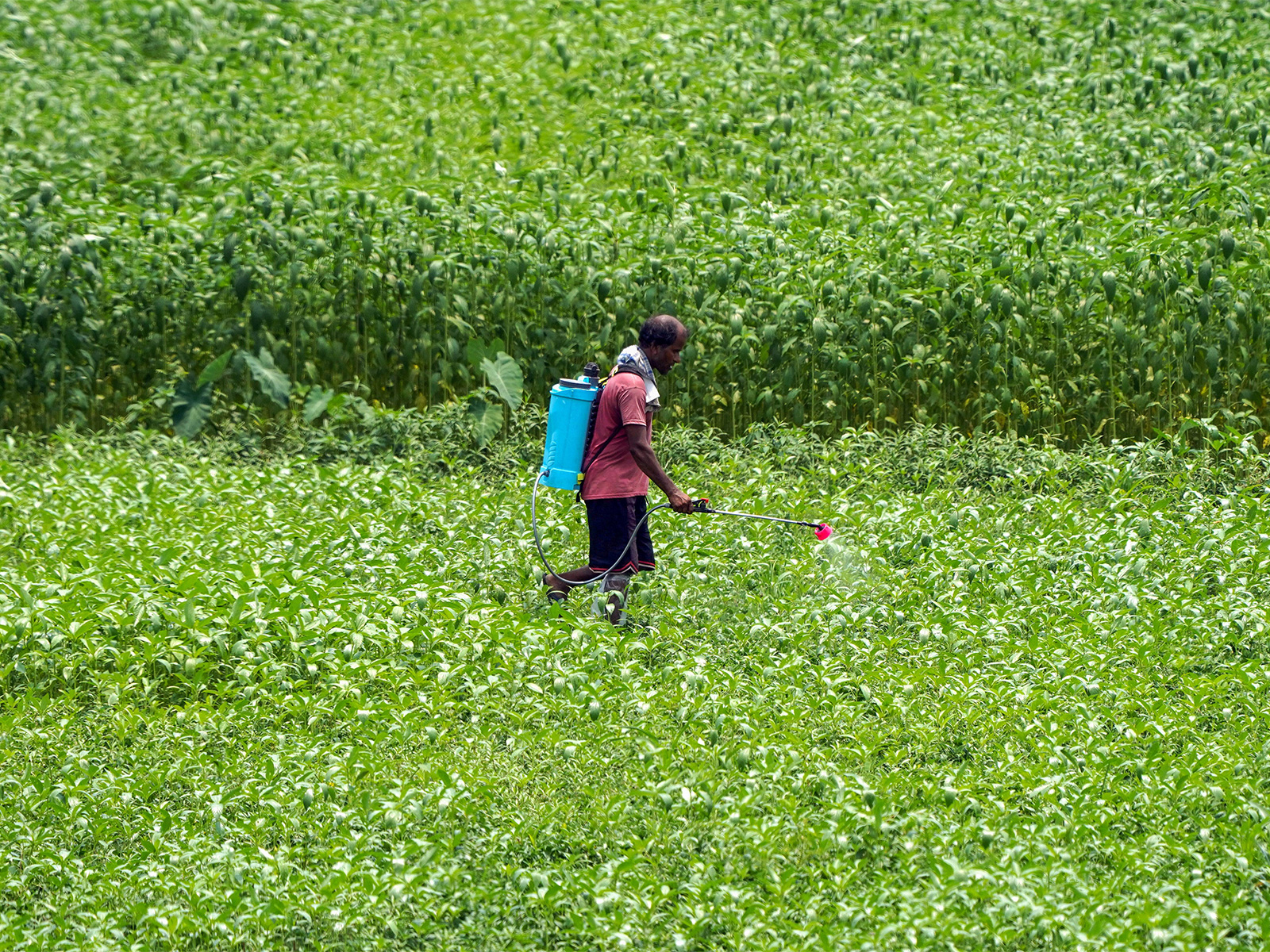
Gandhinagar (Gujarat) [India], June 13 (ANI): Farmers once struggled with low prices for their produce, delays in payments, and the involvement of middlemen. Over the last decade, reforms in the Minimum Support Price (MSP) procurement system introduced by the Central Government have significantly improved the lives of lakhs of farmers in Gujarat.
Under the leadership of Prime Minister Narendra Modi, the policy of providing MSP at ‘one and a half times the cost of cultivation’ has enabled farmers to receive remunerative prices for their produce. As a result, farmers’ incomes have increased, and agriculture has become more profitable, according to the Gujarat CMO.
Under the guidance of Chief Minister Bhupendra Patel and Agriculture Minister Jitu Vaghani, Gujarat has further expanded the MSP procurement scheme. The procurement figures of the past decade stand as the best testimony to its success.
Groundnut and cotton hold special importance in Gujarat’s agricultural economy. Over the last ten years, 52.48 lakh metric tons of groundnut have been procured from the state, resulting in payments of Rs 31,941 crore to farmers. Similarly, even during periods of decline in global cotton prices, the government procured 25.23 lakh metric tons of cotton, providing farmers with protective support worth Rs 17,759 crore.
Gram, a major rabi crop, witnessed procurement of 16.81 lakh metric tons, for which farmers received payments amounting to Rs 9,549 crore. Likewise, 4.97 lakh metric tons of tur, an important crop for farmers in Central and South Gujarat, were procured, providing compensation worth Rs 3,222 crore, the CMO emphasised.
In addition, procurement of crops such as mustard, soybean, urad, and moong has directly benefited thousands of small and marginal farmers.
In 2016-17, procurement worth only Rs 1,775 crore was made from 2.01 lakh farmers. Today, the situation has changed significantly. During 2025-26, more than 14 lakh farmers sold 32.54 lakh metric tons of produce worth Rs 23,800 crore under MSP procurement.
A sevenfold increase in the number of farmers and a thirteenfold increase in procurement value are considered proof of the scheme’s success.
To help farmers plan their cropping patterns effectively, the Central Government now announces MSP before the sowing season. The Commission for Agricultural Costs and Prices (CACP) determines MSP after studying input costs such as seeds, fertilisers, electricity, diesel, and labour, the CMO noted.
The government states that MSP is fixed in a manner that ensures farmers receive approximately 50 per cent profit over their cost of production.
The use of technology in the procurement process has greatly benefited farmers. Through Direct Benefit Transfer (DBT), payments are directly credited to farmers’ bank accounts, reducing the role of middlemen and enhancing transparency. Online registration and SMS-based systems have also reduced the need for farmers to stand in long queues.
Over the last decade, MSP for various crops has witnessed significant growth. MSP has increased by 61 per cent for paddy, 59 per cent for wheat, 108 per cent for bajra, 127 per cent for hybrid jowar, and 102 per cent for groundnut. MSP for cotton has also increased by up to 99 per cent, the CMO highlighted.
According to farmers, procurement at MSP and timely payments have strengthened confidence in the agriculture sector and provided new momentum to the rural economy. (ANI)
Related reading