New Delhi [India], July 14 (ANI): Parliamentary Standing Committee on Science and Technology, Environment, Forests and Climate Change on Monday heard the views of Department of Atomic Energy and Nuclear Power Corporation of India Limited (NPCIL) on ‘Nuclear Power Generation in the Country’ and discussed ways to boost nuclear energy alongside solar power.
They also discussed ways to address uranium supply constraints by leveraging India’s thorium reserves and the path toward self-reliance in atomic energy
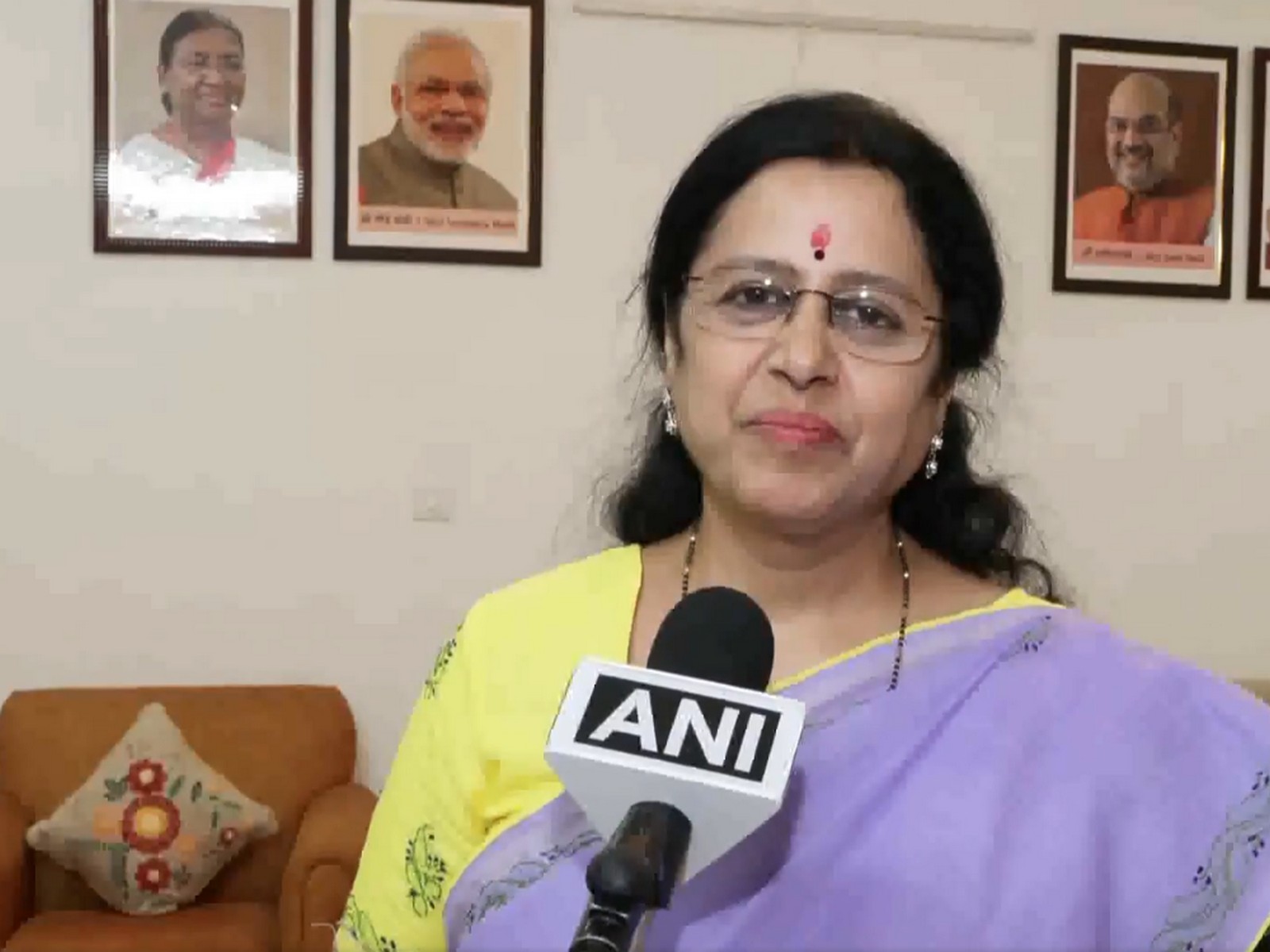
Chairperson of the committee Dr Medha Vishram Kulkarni later said the meeting was very productive.
“Discussions focused on nuclear science, specifically atomic energy, covering India’s current work, the number of operational reactors, and future plans. India has committed to achieving net-zero emissions by 2070. To address current challenges–such as fuel issues, availability constraints, and high carbon emissions–work is underway on multiple fronts, particularly expanding both solar and nuclear energy capacities,” Medha Vishram Kulkarni told ANI.
“Discussions included strategies to boost nuclear energy alongside solar power, addressing uranium supply constraints by leveraging India’s thorium reserves, and charting a path toward self-reliance in atomic energy… India is moving towards self-reliance and investing heavily in resources and R&D; today, we all felt immense pride in our scientists and their efforts,” she added.
India marked a major milestone in its nuclear energy programme in April this yeasr with the indigenously designed and built Prototype Fast Breeder Reactor (PFBR) at Kalpakkam in Tamil Nadu successfully attaining first criticality.
It marked the initiation of a sustained nuclear chain reaction. This PFBR is a 500 MWe (MegaWatt electrical) reactor built by Bharatiya Nabhikiya Vidyut Nigam Limited (BHAVINI) at the Kalpakkam Nuclear Complex.
With this achievement, India officially entered the second stage of its three-stage nuclear power programme, a vision first conceived by Dr. Homi Jehangir Bhabha, the architect of India’s nuclear programme. The milestone carries substantial global significance. Once fully operational, India will become only the second country in the world after Russia to operate a commercial fast breeder reactor. (ANI)
Related reading