New Delhi [India], July 1 (ANI): The All India Bar Association (AIBA) has said the reported memorandum submitted by 23 opposition parties and an Independent Member of Parliament to Chief Justice of India Justice Surya Kant regarding the Election Commission’s Special Intensive Revision (SIR) of electoral rolls is not the appropriate constitutional course, maintaining that judicial remedies not political memoranda must be invoked to challenge the poll body’s actions.
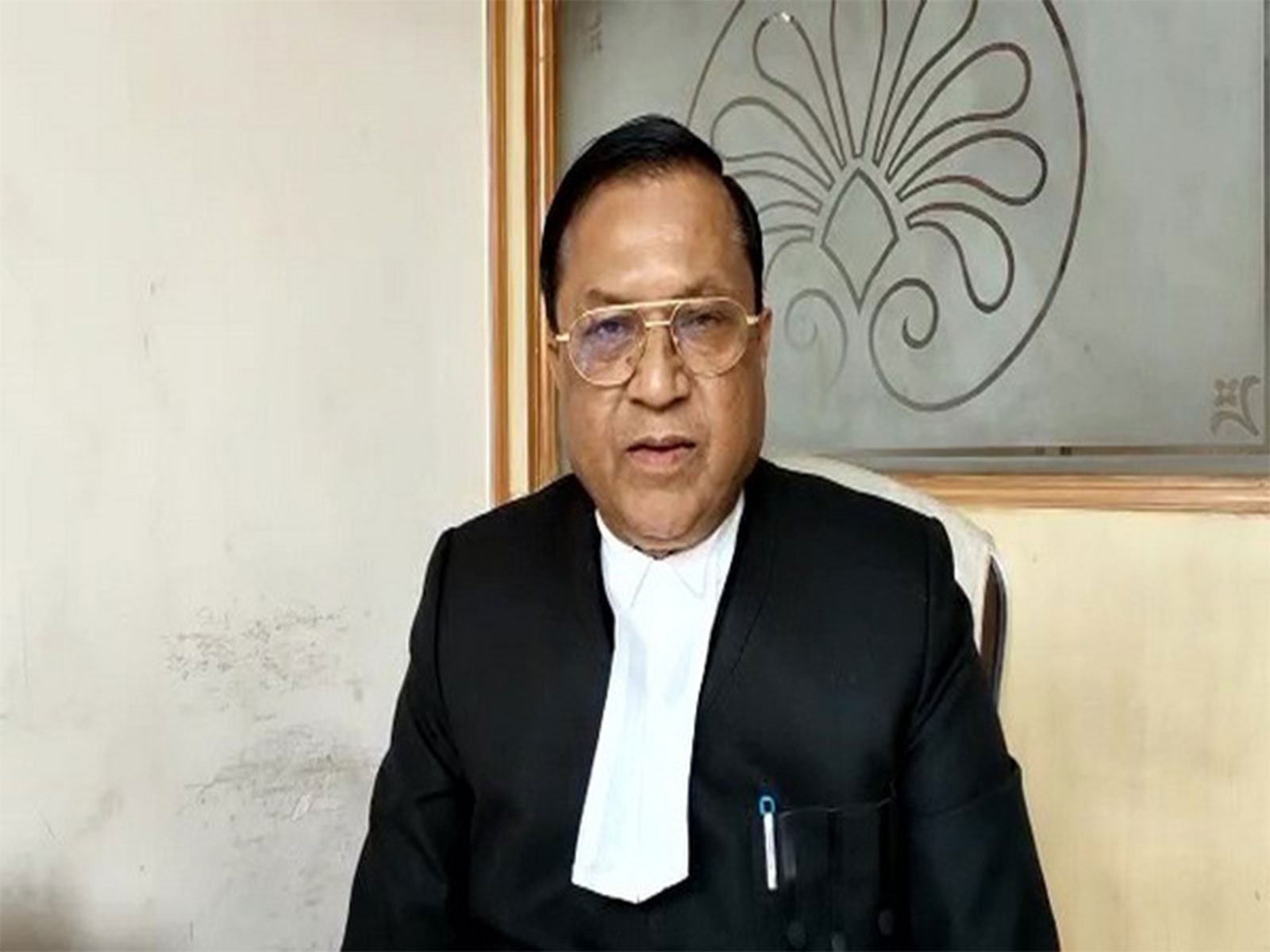
In a statement issued on Wednesday, AIBA Chairman Dr Adish C Aggarwala said he has written to the Chief Justice expressing concern over what he termed an attempt to draw the office of the CJI into a political controversy involving the Election Commission. He asserted that the office of the Chief Justice should remain insulated from political disputes.
The Association emphasised that the Election Commission of India is an independent constitutional authority under Article 324 of the Constitution and functions independently of the judiciary. It said the Chief Justice of India is neither the administrative head nor the supervisory authority of the Commission and, therefore, grievances against the poll panel must be adjudicated through duly instituted court proceedings.
According to Aggarwala, a memorandum addressed to the Chief Justice cannot replace formal litigation. He said constitutional courts determine disputes based on pleadings, documentary evidence and legal submissions after hearing all parties, and not on the basis of political representations.
The AIBA maintained that if the opposition believes the Special Intensive Revision (SIR) exercise is unconstitutional, arbitrary or otherwise illegal, it is at liberty to institute appropriate proceedings before the competent court. It added that political parties possess sufficient legal expertise and resources to seek judicial review if they have a legally sustainable case.
The Association further questioned why judicial remedies had not been invoked, stating that bypassing established legal procedures in favour of a political memorandum raises doubts about the legal merit of the allegations. It cautioned that attempting to involve the Chief Justice personally in matters concerning the Election Commission risks blurring the constitutional distinction between judicial adjudication and political advocacy.
Aggarwala also said allegations against constitutional institutions should be made responsibly and tested through due legal process, warning that unsubstantiated claims could erode public confidence in democratic institutions. He stressed that both the Election Commission and the judiciary derive their authority from the Constitution and deserve institutional respect.
The AIBA urged that the opposition’s memorandum should not be treated as the basis for any administrative or judicial action outside the framework of formal court proceedings. It warned that entertaining such representations could create an undesirable precedent by allowing political actors to bypass established legal mechanisms.
Calling for the dignity and neutrality of the office of the Chief Justice of India to be preserved, the Association said constitutional offices must not become forums for resolving political disputes and urged that such attempts be discouraged. (ANI)
Related reading