
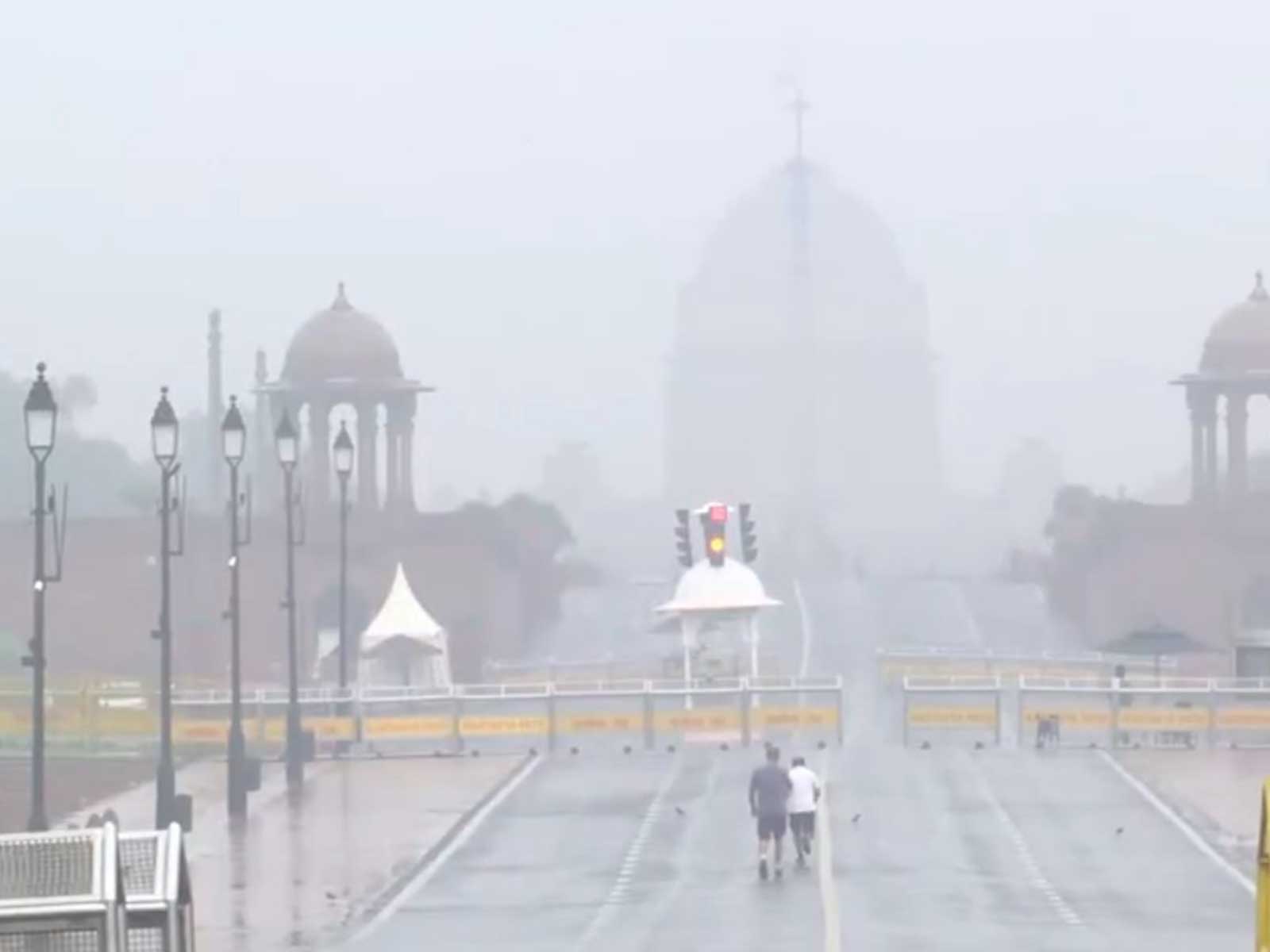
New Delhi [India], July 8 (ANI): A significant monsoon spell has swept across North India, offering a welcome reprieve from sweltering heat in the national capital while triggering high-alert warnings for neighboring states.
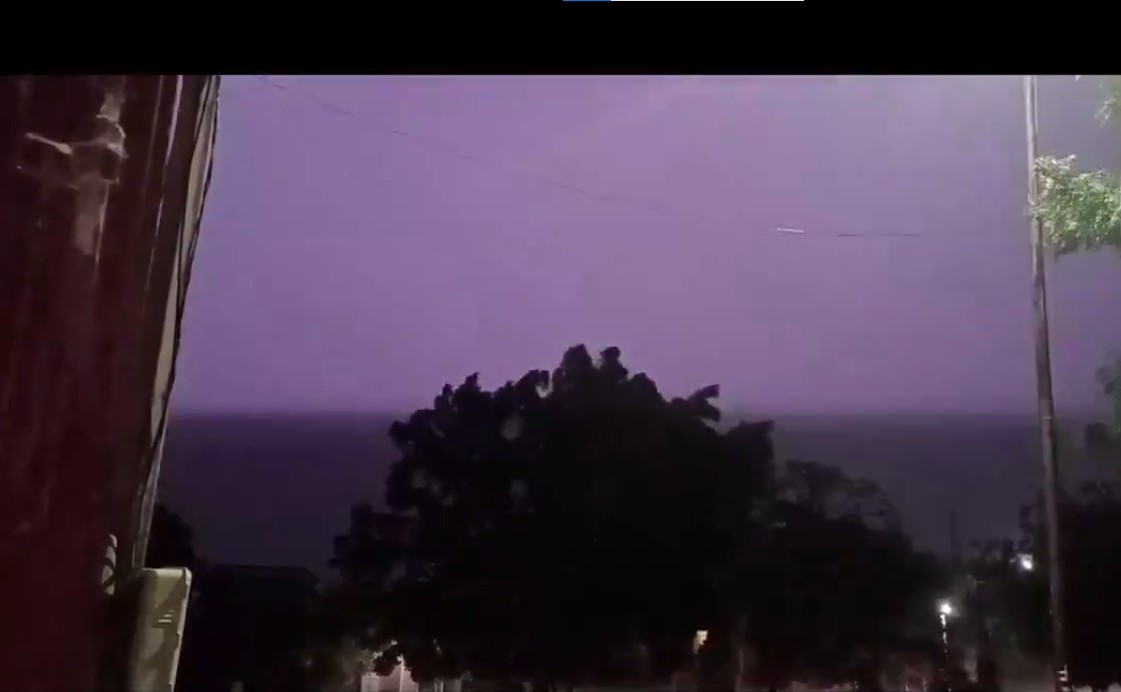
In New Delhi, residents experienced a dip in temperatures by 1-2 degrees Celsius following moderate rainfall accompanied by thunderstorms, lightning, and gusty winds over the past 24 hours.
The India Meteorological Department (IMD) has forecast continued wet weather for the capital, with further temperature drops expected over the next three days.
While Delhi welcomes the cool change, the IMD has issued orange alerts for Uttar Pradesh, Uttarakhand, and Punjab, signalling potential weather-related disruptions. The situation is already severe in several regions.
In Mathura, Uttar Pradesh, overnight heavy rainfall has resulted in extensive waterlogging, significantly hampering traffic and pedestrian movement.

Meanwhile, heavy rainfall was reported in Rajasthan. In Dungarpur, heavy overnight rain accompanied by thunder and lightning led to flooding and waterlogging in several localities, with water levels rising above three feet in parts of the old city, including Ghati, Kanera Pol, Mochi Bazar and Bhoiwada.
The current downpour is attributed to a well-marked low-pressure area currently situated over northeast Madhya Pradesh and adjoining southeast Uttar Pradesh. This system, combined with a seasonal trough and an upper-air cyclonic circulation, is expected to maintain rainfall activity across northern and western India as it moves slowly west-northwestwards over the next 24 hours.
The IMD advised residents in affected areas to remain alert, avoid taking shelter under trees or weak structures, check traffic conditions before travelling, avoid unnecessary journeys and follow advisories issued by local authorities.
The IMD further said a well-marked low-pressure area over northeast Madhya Pradesh and adjoining southeast Uttar Pradesh is likely to move slowly west-northwestwards over the next 24 hours before weakening, while other favourable weather systems, including the seasonal trough and an upper air cyclonic circulation, continue to influence rainfall activity across northern and western India. (ANI)
Related reading