New Delhi [India], July 28 (ANI): Shiv Sena MP Shrikant Shinde on Tuesday said the nationwide protests over alleged irregularities in the NEET examination should be viewed as an opportunity to bring “historic change” to the education system, while asserting that the Centre had acted swiftly to address paper leaks through legal reforms, administrative action and the resignation of former Union Education Minister Dharmendra Pradhan.
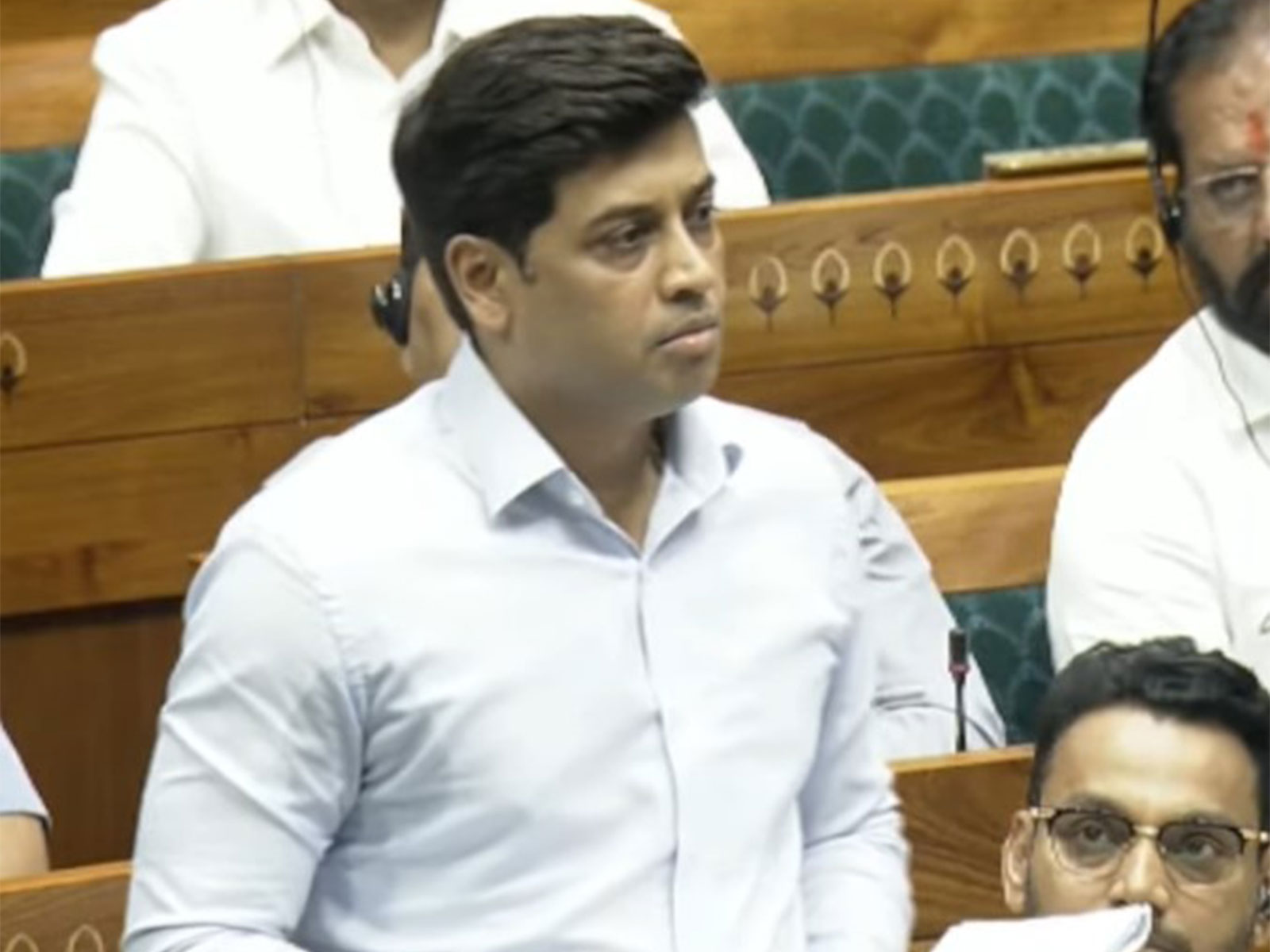
Participating in the discussion on the Public Examinations (Prevention of Unfair Means) Amendment Bill, 2026 in the Lok Sabha, Shinde appealed to students not to lose hope and assured them of the government’s support.
“We do not consider this anger of our youth merely a movement, but an opportunity for historic change in the education system. This is not just a protest, but the beginning of a secure and transparent construction. Today, through this House, I would like to make a very emotional appeal to every youth of our country that no exam can determine your life. I assure you that Prime Minister Narendra Modi and the entire government stand strongly with you,” Shinde said.
Highlighting the government’s response to the examination controversy, the Shiv Sena MP said strict action had been taken against those responsible.
“Immediately after the incidents of paper leaks, our government made strict laws and took decisions in record time so that paper leaks do not happen in the future. We did not just condemn; we cleaned up the system. The CBI took immediate action and put 14 accused in jail from Delhi to Pune, and terminated 47 officials in the NTA. This is called morality; there is morality in this government, which is why Education Minister Dharmendra Pradhan resigned,” he said.
Calling for broader reforms in the examination system, Shinde questioned the structure of the NEET examination.
“I think there is also a need for reforms in the education system. What is the NEET system? The NTA agency decides what the center will be and on which date NEET will be held through the agency. But I want to say here how we can determine the years of penance of students, the hopes of their families, and their future in just three hours in one day,” he said.
Targeting the Opposition over its criticism of the government’s handling of student protests, Shinde invoked the Emergency, alleging that the current government had engaged with protesting students rather than suppressing dissent.
“Today, they are saying here that tear gas was fired and lathi-charged, but I feel that the children whom they are trying to instigate, if those children read the book on the Emergency, they will come to know what dictatorship is, what autocracy is, what autocracy is called. During the Emergency, 111,000 people were crammed into jail without trial; this is called autocracy. 35,000 people were detained in MISA alone, out of which 13,000 were politicians; this is called autocracy,” he said.
“The Shah Commission clearly stated that the purpose of the Emergency was to crush the voice of the opposition. The government listened to the children, talked to those who were agitating; Nadda ji and Jitendra Singh are sitting here, talked to them, heard about what they wanted, and the bill to bring reforms is being passed here. What did they do? They brought the 38th and 40th Amendments to reduce the power of the Supreme Court, which is why they had to lose after the Emergency,” he added.
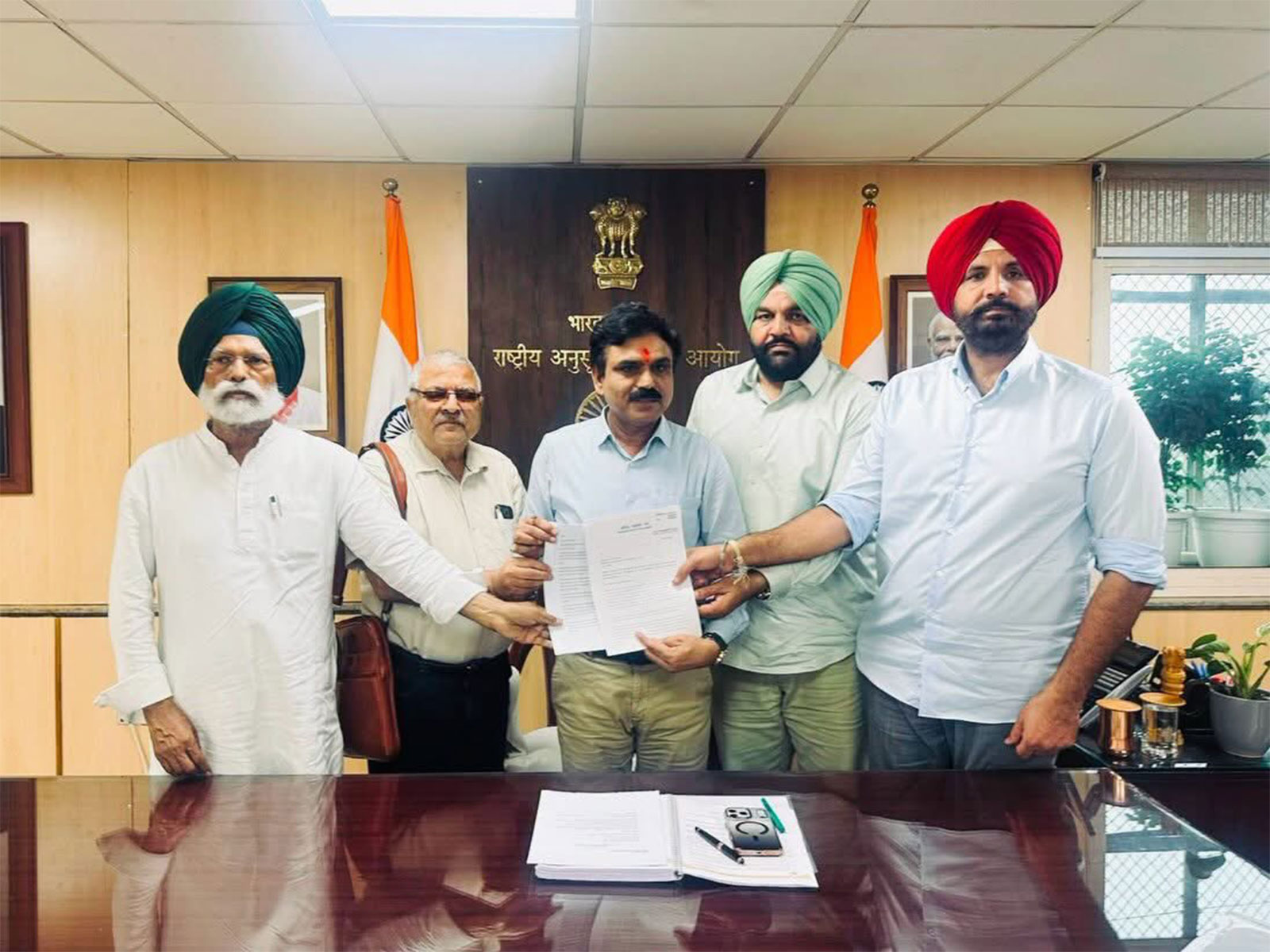
Earlier, Minister of State in the Prime Minister’s Office Jitendra Singh moved the Public Examinations (Prevention of Unfair Means) Amendment Bill, 2026, for discussion in the Lok Sabha against the backdrop of widespread protests over the NEET-UG paper leak.
He affirmed the government’s commitment to the welfare of students and described the Public Examinations (Prevention of Unfair Means) Amendment Bill, 2026, as a “milestone legislation.”
The Union Minister said, “This bill, which was introduced yesterday, is, in fact, an amendment to the earlier Bill–Public Examinations Prevention of Unfair Means Act 2024, which was also brought by this government. And not only was it brought, but it was also perhaps the first of its kind in the history of independent India. The earlier Bill and the amendment today are, in a way, a reaffirmation of this government’s deep commitment to safeguard the welfare of the students and the youth of this country.”
“At the same time, it is also a reiteration of Prime Minister Modi’s resolve–not to allow anyone to compromise with the future of the children of Mother India. Therefore, this bill can be described, in a way, as a milestone legislation in the history of the Indian Parliament,” he added.
Describing the provisions of the Bill, he noted that the amendment aims to “make the law more stringent and to ensure speedy justice so that the credibility of all these exams gets enhanced and gets reinstated.”
The Bill, he said, proposes to enhance the punishment for persons resorting to unfair means by increasing the term of imprisonment to not less than five years, extendable up to ten years, as against the existing provision of imprisonment for a term of not less than three years, extendable up to five years.
The maximum fine is also proposed to be enhanced from Rs 10 lakh to Rs 50 lakh.
For service providers found involved in offences, the Bill proposes to increase the maximum fine to Rs 5 crore and extend the period of debarment from conducting any public examination from four years to eight years.
For organised examination-related crimes, the Amendment Bill proposes to increase the minimum term of imprisonment from five years to seven years, extendable up to ten years, while enhancing the maximum fine from Rs 1 crore to Rs 10 crore.
The Bill also empowers the Centre to constitute a Special Task Force for probing the paper leak and examination-related offences and proposes a new Section 12A providing for completion of investigation within two months, designation of Courts of Session as Special Fast Track Courts for day-to-day trial of offences under the Act, completion of trial within three months from the date of filing of the charge sheet, and appointment of Special Public Prosecutors for every Special Fast Track Court.
“The most important thing which the Prime Minister also mentioned through the video is to ensure speedy justice. We will have special fast-track courts established only for the cases dealing with unfair means in examinations. We have set a time limit in that also. The investigation has to be completed within a span of two months regardless of whether it is a central agency or a special task force,” he told the Lower House.
Further, Jitendra Singh also recalled the paper leaks under the Congress-led UPA governments. Amid an attack on the National Testing Agency (NTA) over the paper leaks, he said that the Congress government had recommended establishing a common national testing agency and the NTA was eventually formed in 2017.
Lok Sabha took up the Public Examinations (Prevention of Unfair Means) Amendment Bill for discussion at 2 pm today. Union Parliamentary Affairs Minister Kiren Rijiju said the leaders of various parties, including the Congress, Samajwadi Party, DMK, and NCP, had agreed to extend the scheduled six-hour discussion by two hours. (ANI)
Related reading