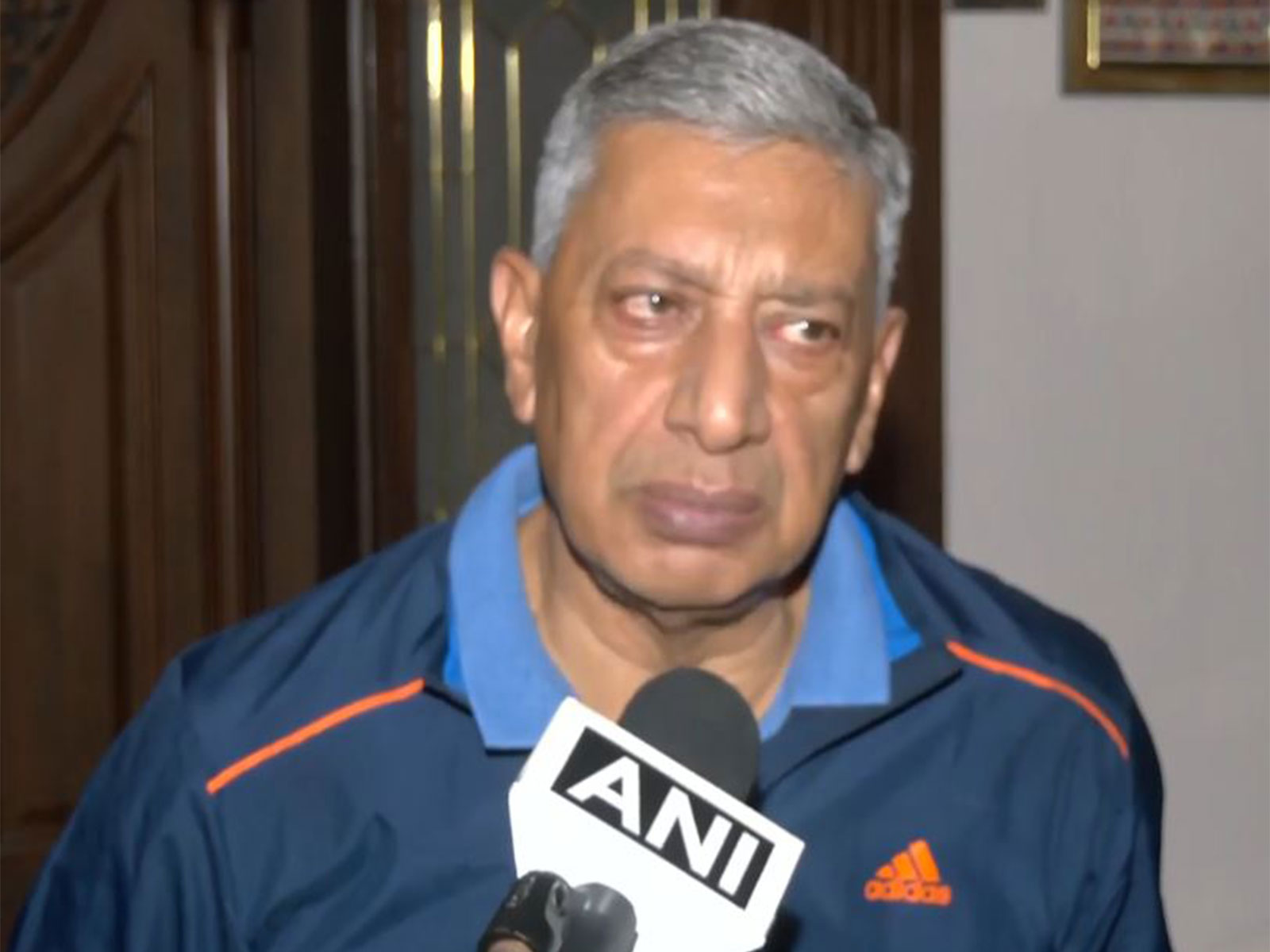
New Delhi [India], November 3 (ANI): Emphasising that the global maritime domain is passing through a period of “considerable uncertainty,” former Indian Navy chief Dinesh Kumar Tripathi on Tuesday warned that maritime instability in narrow waterways can trigger transcontinental economic fallout, directly hurting energy supplies, trade, and developmental resources.
Addressing the Indo-Pacific Regional Dialogue (IPRD) in New Delhi, the former Navy Chief highlighted critical chokepoints and ongoing flashpoints worldwide, including the Red Sea, the Strait of Hormuz, and the South China Sea.
“The international maritime environment is passing through a period of considerable uncertainty. Geopolitical competition, armed conflicts, and technological changes are placing growing pressure on maritime security and international commerce,” Admiral Tripathi said.
“Disruptions in the Red Sea and the Strait of Hormuz have demonstrated how instability in relatively confined waters can have consequences extending across continents. Continuing tensions in the South China Sea, developments in the Black Sea, and concerns over the security of critical undersea infrastructure further illustrate the challenges confronting maritime nations,” he added.
Underlining the direct economic ramifications for India, the Navy Chief stated that disruptions along vital sea lanes inevitably strain national resources by driving up freight and insurance premiums.
“For India, like most nations, the consequences of instability in West Asia have been costly. Our dependence on maritime routes for energy supplies, trade, and industrial capacity means that disruptions to shipping, together with increases in transportation and insurance costs, place an additional burden on the economy and resources. Resources that could otherwise support economic progress must instead be committed to absorbing external shocks,” he pointed out.
Stressing the need for collective maritime resilience, Tripathi called for focused international collaboration grounded in mutual respect and enhanced technological and academic partnerships across the Indo-Pacific region.
“The objective should be to identify areas where collaboration serves clearly understood interests while respecting the responsibilities and concerns of the countries involved. Sustained cooperation in such areas can provide a foundation for wider engagement and greater mutual confidence,” he said.
He further noted, “Maritime instability has demonstrated its capacity to impose substantial economic and human costs on countries far removed from the immediate source of conflict. For nations with limited resources and fewer alternatives, such disruptions can threaten developmental progress accumulated over many years.”
“No scientific programme can guarantee freedom from these shocks. Yet, better knowledge, stronger technological capabilities, and sustained academic relationships can help countries understand their vulnerabilities, prepare more effectively, and respond with greater confidence. For India and the wider Indo-Pacific, strengthening these capabilities is an investment in the security and prosperity of our maritime future,” the former Navy Chief noted. (ANI)
Related reading