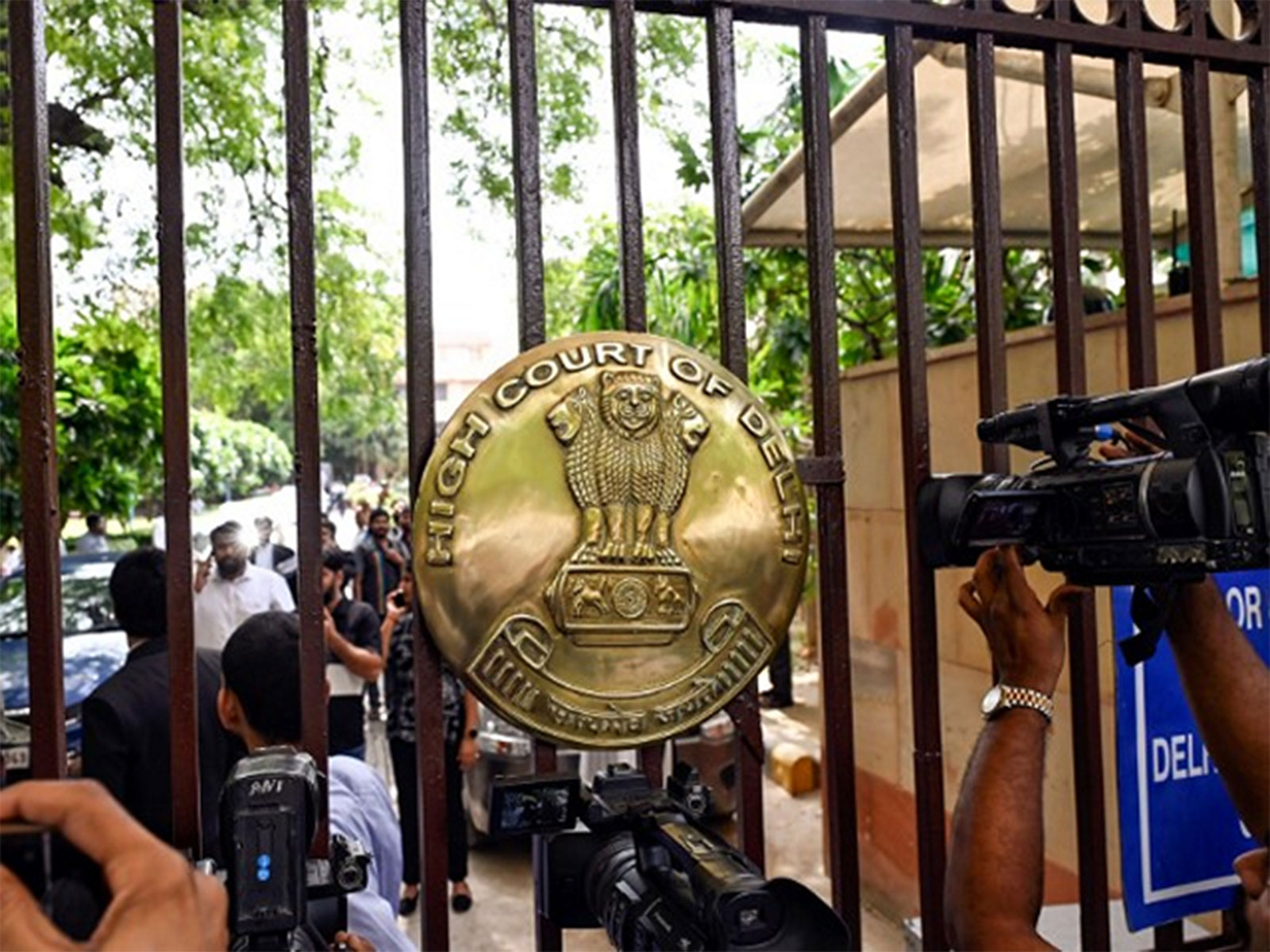
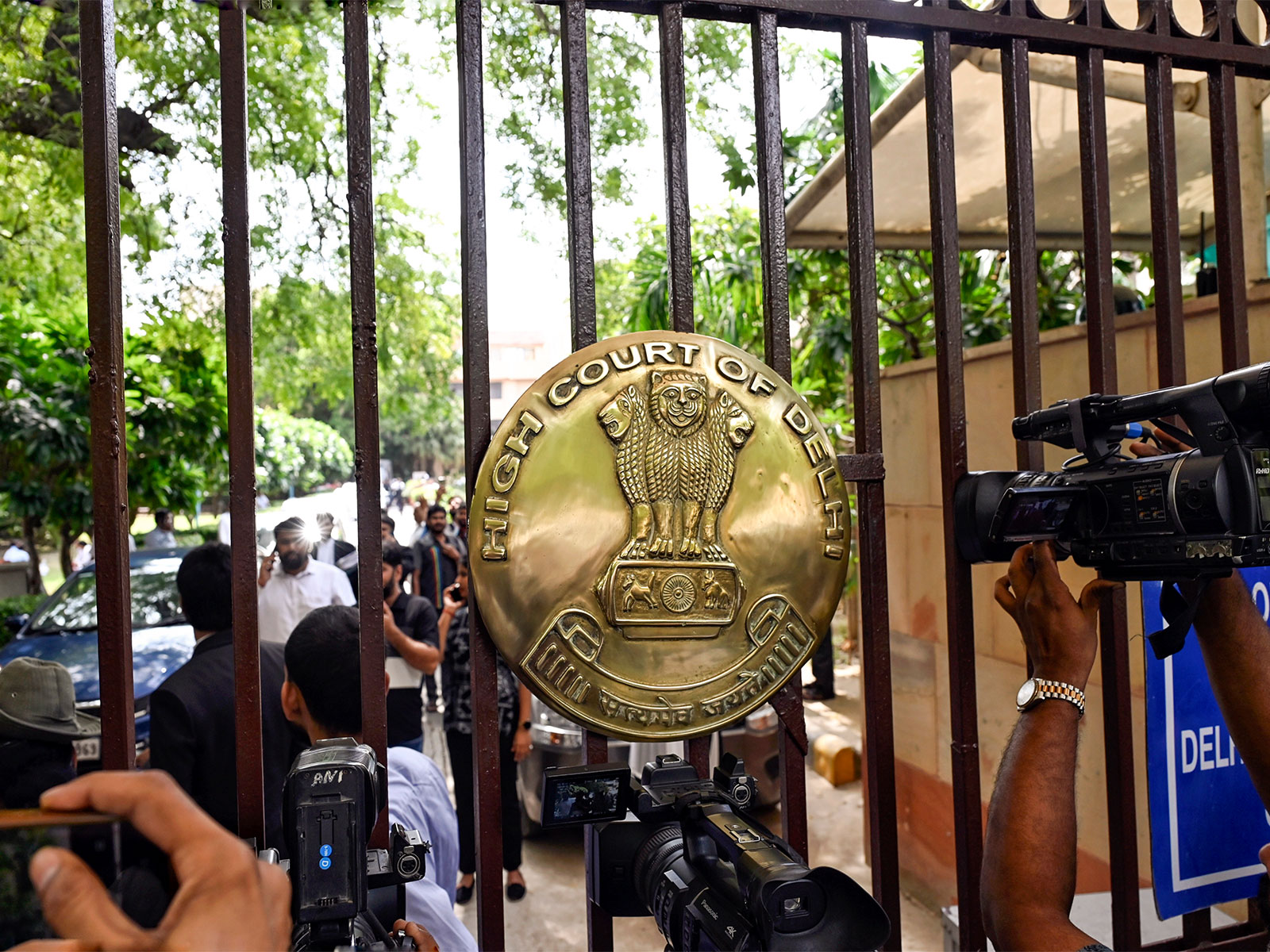
New Delhi [India], November 3 (ANI): The Delhi High Court has dismissed a petition challenging the restriction of a user’s LinkedIn account, holding that the social networking platform does not perform a public function or discharge a public duty and, therefore, cannot be subjected to the High Court’s writ jurisdiction under Article 226 of the Constitution.
Justice Amit Mahajan observed that although LinkedIn plays a significant role in disseminating information and shaping public opinion, its primary function is to provide a platform for expression, with public discourse being a consequence of its operations rather than a public duty.
The court held that the mere provision of a platform for communication and social interaction does not, by itself, constitute a governmental function or a function integral to the discharge of State responsibilities.
The court was hearing a petition challenging the restriction imposed on a LinkedIn account by LinkedIn Technology Information Private Limited. The petitioner alleged that the action was taken without any prior warning or disclosure of the specific provisions of the platform’s User Agreement or Professional Community Policies that had allegedly been violated.
It was contended that LinkedIn had neither identified the particular activity forming the basis of the restriction nor provided any supporting material despite repeated representations, appeals and requests for a manual review.
The petitioner further alleged that the platform continued to issue repetitive, template-based responses referring to the “number and/or severity” of unspecified violations without passing a reasoned order. The restriction, initially represented as temporary, had allegedly continued indefinitely.
Examining the maintainability of the petition, Justice Mahajan noted that the reliefs had been sought against LinkedIn and its resident grievance officer, both private entities. Although the Union of India had also been arrayed as a respondent, no specific prayer or direction had been sought against it.
The court observed that a writ petition under Article 226 can be maintained against a private person or entity if it performs functions that can be characterised as public functions.
It held that, for a private entity to be amenable to writ jurisdiction, its action must involve the performance of a public duty or function, have a nexus with public interest or a State obligation, or be integral to governmental functions or undertaken by virtue of powers vested by law.
“The threshold for a private entity to be amenable to writ jurisdiction is that it must undertake functions that are fundamentally governmental in nature or are performed by virtue of power vested by law,” the court observed.
Applying these principles to LinkedIn, the court noted that the platform’s operations remain private in nature and that no governmental mandate delegates any traditional State function to it.
It further observed that LinkedIn is neither obligated to provide such a platform in discharge of a public duty nor legally compelled to offer its services, which are voluntary and user-driven.
The court accordingly concluded that LinkedIn could not be said to perform a public function or discharge a public duty. It extended the same reasoning to the platform’s resident grievance officer, holding that the officer too could not be considered to be performing a public function or discharging a public duty.
The court held that the two respondents were not amenable to its writ jurisdiction under Article 226 of the Constitution.
It further indicated that the more appropriate legal remedy for the grievance appeared to be a civil suit, through which damages, if any, could be claimed.
The court also took note of the fact that the petitioner had already approached the Grievance Appellate Committee under Section 3A(3) of the Information Technology (Intermediary Guidelines and Digital Media Ethics Code) Rules, 2021, in connection with the grievance.
In view of these findings, the High Court held that the petition was not maintainable and dismissed it. (ANI)
Related reading