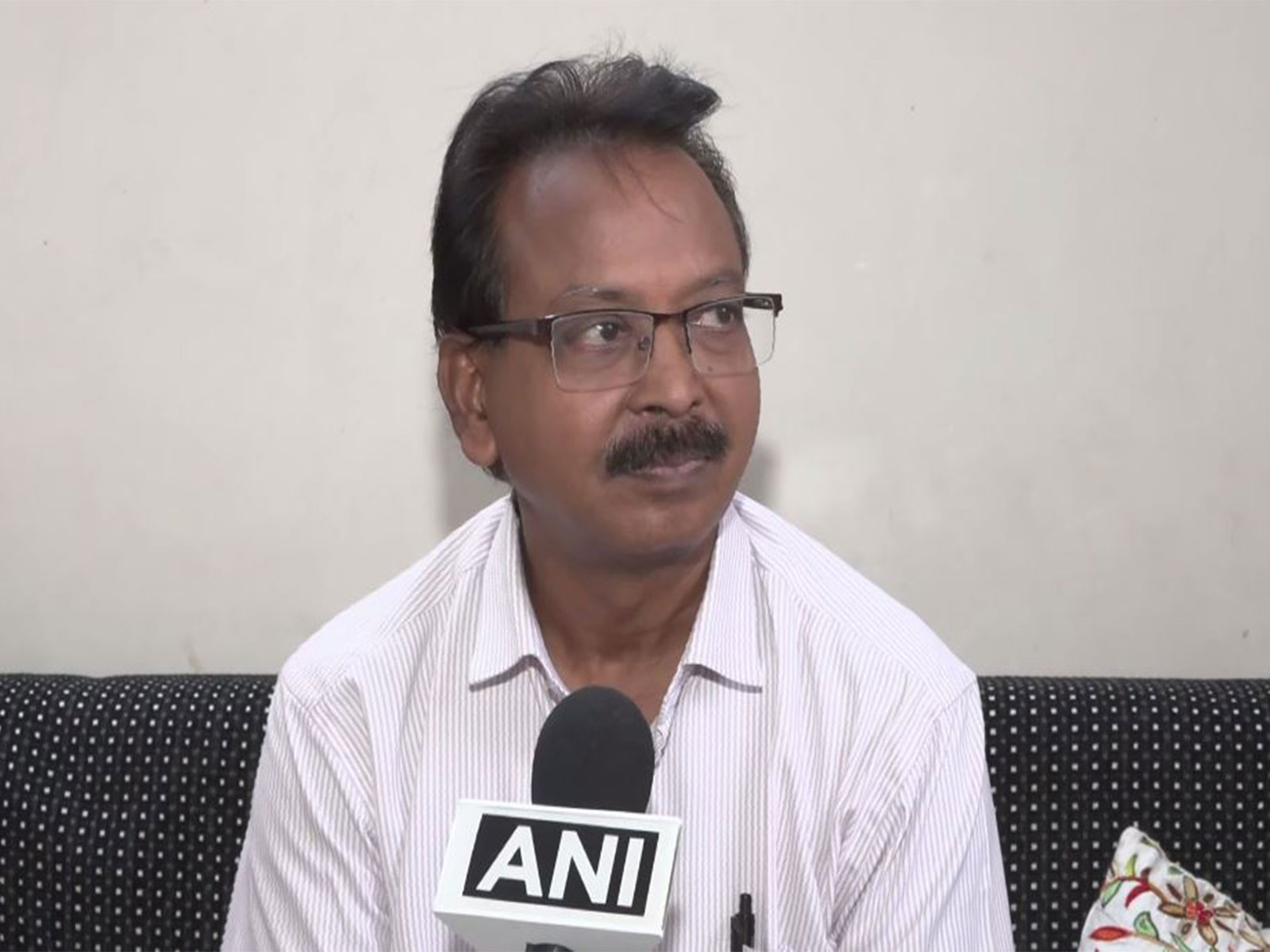
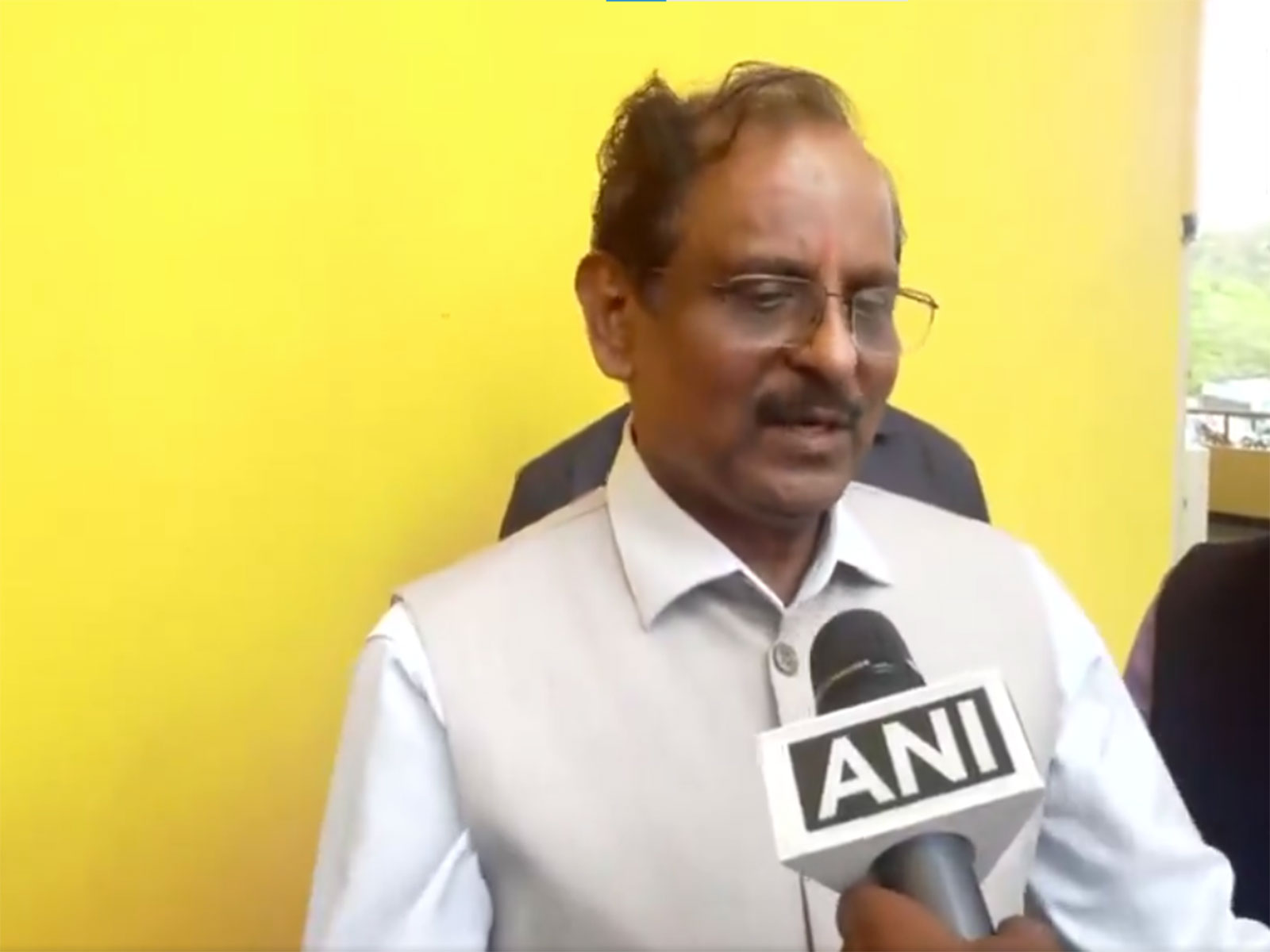
Sriharikota (Andhra Pradesh) [India], July 18 (ANI): Indian Space Research Organisation (ISRO) Chairman V Narayanan on Saturday said a technical glitch during the automatic launch sequence caused a brief delay in the launch of Skyroot Aerospace’s Vikram-1, India’s first privately developed orbital-class rocket, but the issue was resolved quickly, allowing the mission to proceed within 35 minutes.
Explaining the reason behind the initial delay, Narayanan said the problem occurred during the transition from the ground segment to the onboard computer.
Speaking to ANI, Narayanan said, “So the initial glitch, as it was explained when the automatic sequence was running, and there was a smooth transfer from the ground segment to the onboard computer, but that didn’t take place because of a glitch. Then we had to resolve the problem and we had to come back and very immediately we could come back in 35 minutes and had the launch.”
Speaking about ISRO’s upcoming programmes, the Chairman said the space agency is simultaneously working on several major missions, including Chandrayaan-4, Chandrayaan-5, Gaganyaan and the Indian Space Station, while also preparing for the first uncrewed Gaganyaan mission. He also highlighted the government’s decision to open up the space sector to private players and startups.
On projects currently in the pipeline at ISRO, Narayanan said, “We have received several approvals. We are working on missions such as Chandrayaan-4, Chandrayaan-5, Gaganyaan, and the Indian Space Station. We are preparing for the launch of the first uncrewed mission. Simultaneously, multiple satellites are being built for various purposes. We must thank the Prime Minister of India for opening up the space sector. For a nation of 1.4 billion people like ours, if we truly wish to harness the benefits of space, I believe we need a large number of satellites. The decision to reform the space sector and boost the startup ecosystem is excellent.”
Narayanan also shared an update on ISRO’s upcoming launch infrastructure, saying the space agency is targeting the commissioning of the new launch facility at Kulasekarapattinam before the end of the current financial year.
On Kulasekarapattinam, he said, “Kulasekarapattinam we are targeting before this finance year.”
Earlier in the day, from the Satish Dhawan Space Centre, Hyderabad-based Skyroot Aerospace successfully executed ‘Mission Aagaman,’ marking the maiden flight of Vikram-1–the nation’s first privately developed orbital-class rocket.
This isn’t just another launch; it represents a tectonic shift in India’s space narrative. Historically, the domain of government-led programs, orbital access is now open for private enterprise.
The 24-metre, carbon-composite rocket stands as a testament to indigenous engineering, powered by a sophisticated configuration of three solid-fuel stages and a liquid orbital adjustment module.
The mission, designed to deploy payloads up to 350 kg into a 450-km Low Earth Orbit (LEO), signals a future of rapid, on-demand launch services. Among the maiden cargo is the “Diamond Lotus,” a lab-grown diamond from Bengaluru-based Cosmos Diamonds, proving that this new infrastructure is ready for high-value commercial application.
Among the payloads on Vikram-1 Test Flight-1 is something truly special–a handwritten postcard from Prime Minister Narendra Modi with the words, “Vande Mataram.” It travels to space alongside handwritten messages from the Skyroot team, investors, policymakers, and well-wishers across the globe, making ‘Mission Aagaman’ a celebration carried by many hands and shared by millions. (ANI)
Related reading