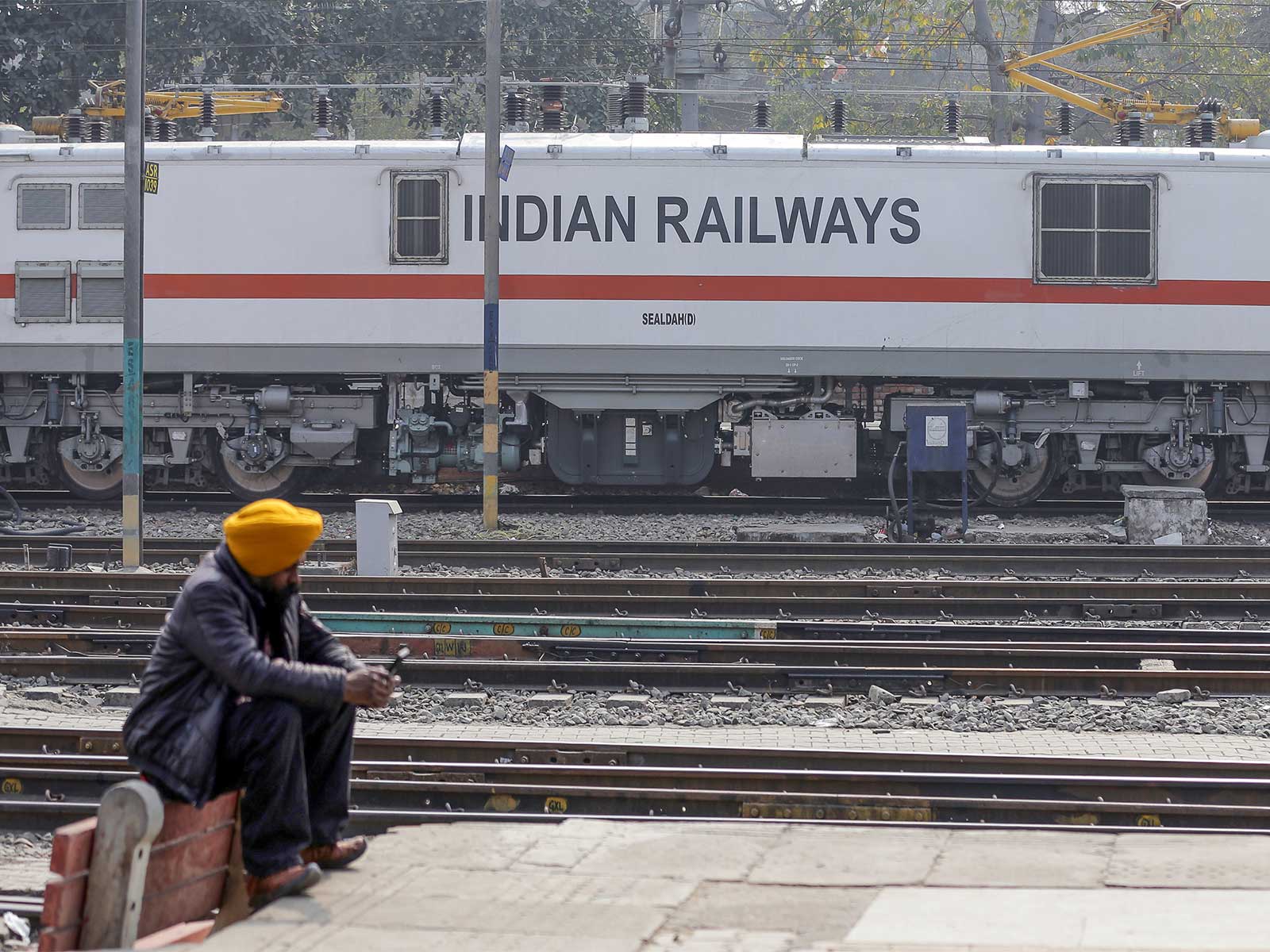

New Delhi [India], September 29 (ANI): In a significant step towards strengthening railway safety through indigenous technology, Indian Railways has approved the provision of Kavach Version 4.0 on 614.75 Route Kilometres of Varanasi (BSB) Division of North Eastern Railway at a total cost of Rs 223 crore.
According to the release, the approved project will extend Kavach 4.0 coverage across the identified balance sections of Varanasi Division, strengthening the safety infrastructure available for train operations.
Kavach is an indigenously developed Automatic Train Protection (ATP) system designed to enhance operational safety. It helps prevent Signal Passing at Danger (SPAD), automatically applies brakes when required and supports safer train movement by monitoring train operations.
The approved work will further strengthen train protection infrastructure across the remaining sections of Varanasi Division. The initiative will contribute to safer and more reliable train operations and support Indian Railways’ ongoing efforts to expand the deployment of indigenous Kavach technology across its network.
Meanwhile, Indian Railways has also approved the 6 km Barbil-Bolanikhadan Doubling Project of South Eastern Railway at a completion cost of Rs 122 crore, strengthening rail infrastructure on an important mineral movement corridor.
According to the release, the project will facilitate additional freight traffic of 8.9 MTPA on this stretch after commissioning of the project. The doubling will also help reduce delays to freight trains.
The Barbil-Bolanikhadan section has been identified under the “Energy, Mineral and Cement Corridor” of Indian Railways. The existing section is a single-line section and currently carries about 9 MTPA, comprising about 6 loaded rakes per day of originating iron ore traffic. The traffic is entirely for high-grade ore and pellets moving from SAIL’s Bolani mines and private sidings (Rungta, Khatau Narbheram) to major steel plants and ports.
Doubling this 6 km stretch, ahead of the full realisation of SAIL’s mine expansion and port/plant capacity additions, will help to prevent capacity constraints in the designated mineral corridor. (ANI)
Related reading