
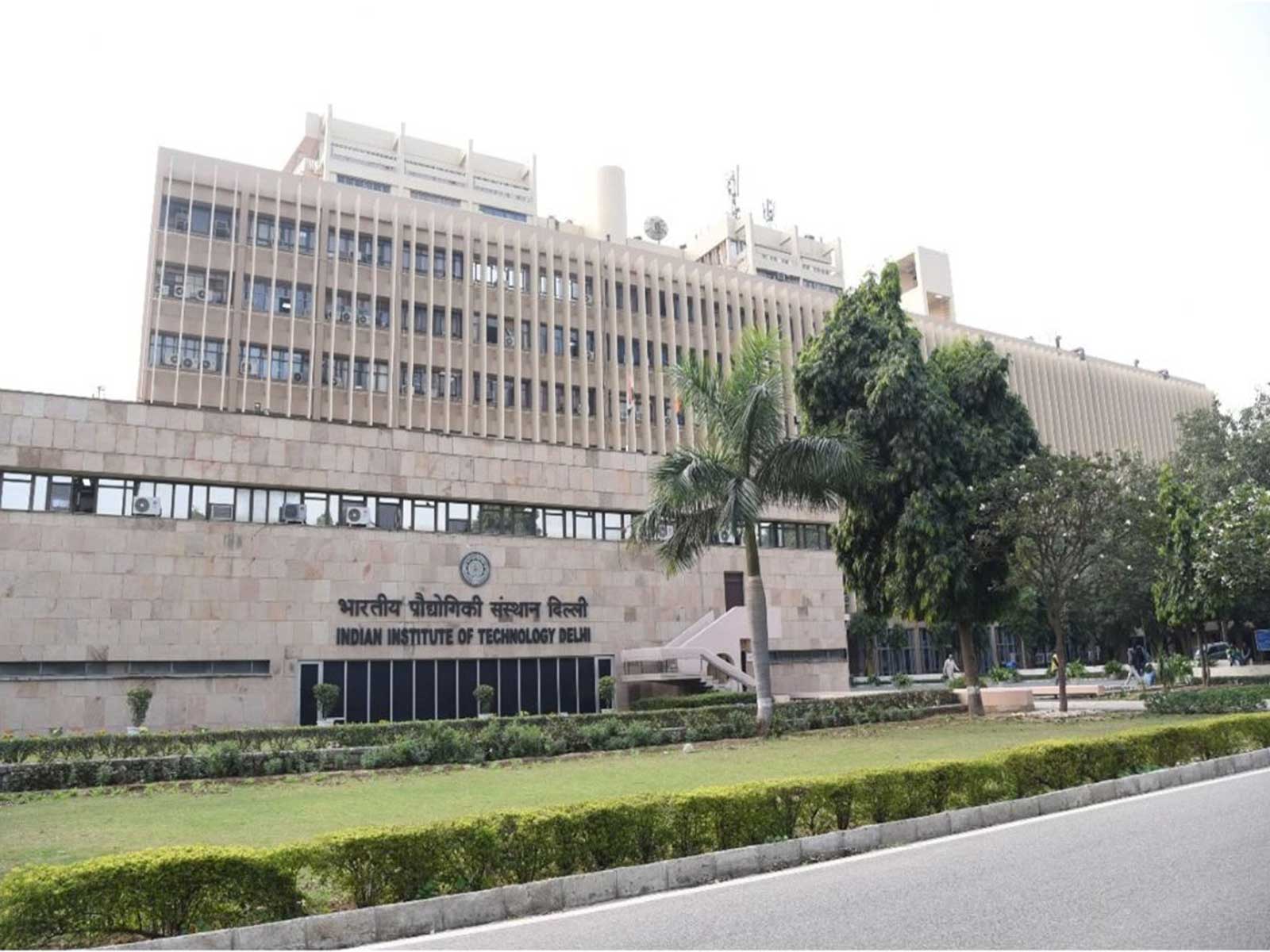
New Delhi [India], August 14 (ANI): Researchers at the Indian Institute of Technology (IIT) Delhi have developed a new visible-light-driven chemical strategy for the precise synthesis of unnatural amino acids (UAAs) and peptides, a development that could aid the design of next-generation medicines and biomolecules.
The research, led by Prof Ravi P Singh of the Department of Chemistry at IIT Delhi, uses light energy and a chiral copper catalyst-ligand system to control chemical transformations with a high degree of selectivity.
Unnatural amino acids are modified versions of naturally occurring amino acids and are increasingly used in medicine and biotechnology to develop molecules with improved stability, longer activity and better target selectivity. Several approved drugs, including bortezomib, octreotide and baclofen, use modified amino acids to enhance their therapeutic properties.
A key challenge in synthesising such molecules is controlling their chirality, or molecular “handedness”. Molecules with the same atoms and bonds can exist as mirror-image forms, known as enantiomers, but biological systems can recognise and respond to the two forms differently.
“The biggest challenge was to generate a single enantiomer of the amino acid in a selective way, which is important because biological systems usually only recognise one specific three-dimensional configuration of a molecule,” Prof Singh said.
According to the researchers, their method starts with simple and readily available natural amino acid building blocks and enables the efficient introduction of new chemical groups, allowing the synthesis of a diverse range of unnatural amino acids.
The researchers demonstrated the strategy through 43 examples of unnatural amino acids and peptides, creating building blocks that can potentially be combined in numerous ways to engineer proteins with new properties and functions.
“With this strategy, we could generate 43 examples of UAAs and peptides. Thus, we created building blocks for various unnatural proteins, which can be formed with unlimited possibilities of combining UAAs, opening an entire world of new biological space,” Prof Singh said.
Unnatural amino acids have applications beyond drug development. They are used in protein engineering, the study of biological processes, organic synthesis, catalysis and the development of advanced biomaterials.
The researchers said the major advantage of the new approach is its ability to provide a broad repertoire of structurally precise unnatural amino acids, potentially expanding the chemical building blocks available for designing proteins and other biomolecules. (ANI)
Related reading