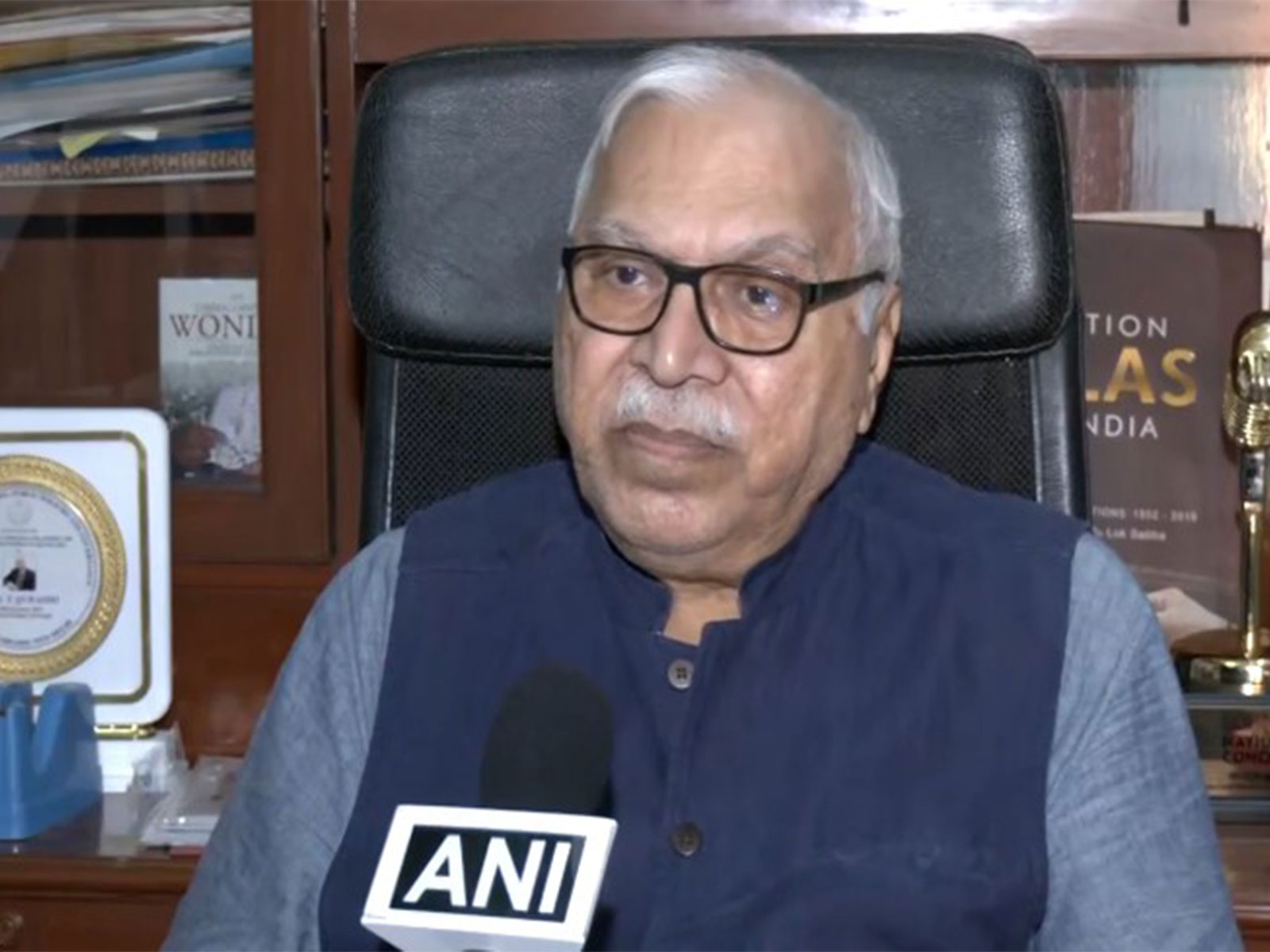
New Delhi [India], September 23 (ANI): Former Chief Election Commissioner SY Quraishi on Wednesday asserted that any administrative or policy choice made by the poll panel without a majority consensus is fundamentally illegal, stepping into the national debate surrounding internal friction within the apex electoral institution.
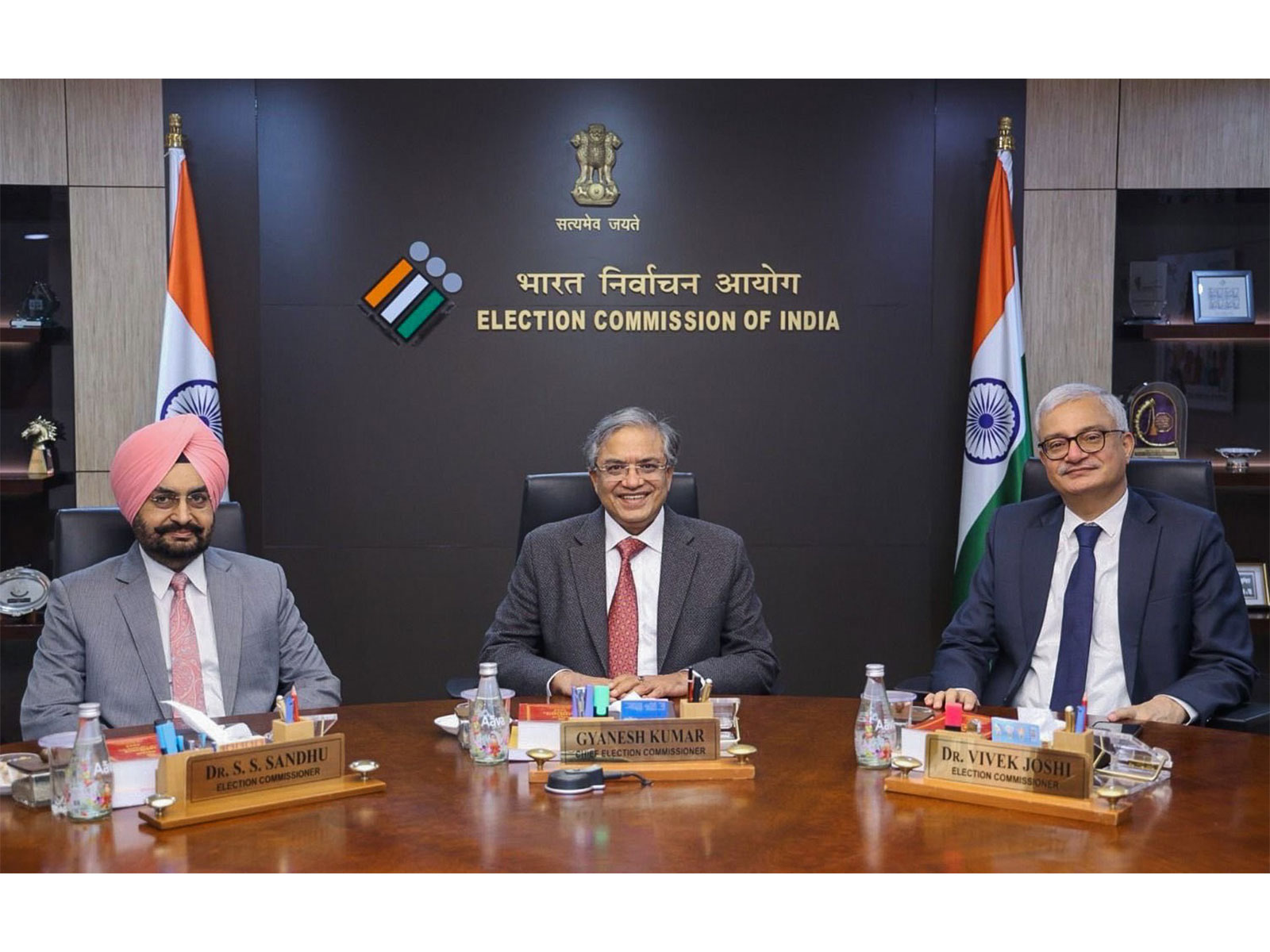
While referencing the Indian Express report that stated that two Election Commissioners had raised objections multiple times over decisions related to the Special Intensive Revision (SIR) process and electoral roll procedures, Quraishi emphasised that the statutory framework established in 1993 explicitly prevents unilateral executive control, recalling the historical shift toward a multi-member body.
“It is very clearly written that all decisions… when this multi-member commission was constituted in 1993, at that time… Before that, there used to be only one CEC [Chief Election Commissioner] who, in his own view, was the lord, master, and god. So the government constituted a multi-member commission in which it was very clearly stated that its decisions should be unanimous as far as possible, and in any case, it must be a majority decision. All three have equal rights; any two who form the majority, their view will prevail—whether those two are the commissioners, or one commissioner and the CEC, any two,” SY Quraishi told ANI.
Drawing comparisons to historical administrative challenges faced during past tenures, the former CEC expressed deep concern over reports indicating that fellow commissioners were allegedly excluded from critical deliberations.
Pointing to the structural safeguards underlined by the Supreme Court’s 1995 rulings, Quraishi said, “In this case, it appears that both Election Commissioners were firmly questioning and opposing many things, and they were not taken into confidence. I also learned that for four months at a time, no meetings of the Election Commission were even held. Such arrogance was not seen even during T.N. Seshan’s time, on which the Supreme Court delivered a judgment in 1995 stating that Seshan sahab had developed a habit of exercising power, and that no matter how wise or intelligent a person is, vesting so much power of the Election Commission in a single individual is not healthy; having a multi-member body is proper. After that, the government made it a multi-member body and defended the matter”.
Outlining the criteria for judicial validation, he noted, “If decisions were not made by a majority, then all those decisions are illegal. Quite simply, there must be transparency here. A complete list should be compiled and made public detailing all the decisions taken over the past year and a half: How many were unanimous? Those are fine decisions whatever they are, good or bad, if they are unanimous, they stand valid. How many were taken by majority? Those are also valid decisions; no one can challenge them. But decisions taken by being in the minority, or by bypassing members, overruling their objections, and ignoring them such decisions are illegal and unlawful. Therefore, all of them must be reversed; they must all be overturned.”
Underscoring that democratic bodies must operate strictly according to legislative intent, he added, “Act I mentioned explicitly states that decisions should be unanimous wherever possible. However, differences of opinion can occur, and in such situations, a majority decision prevails. We live in a democracy; this is not a banana republic. We function within a democracy. The Election Commission, the most vital democratic institution, must function democratically. The Act explicitly mandates decisions by majority. Any decision not taken by a majority is illegal. Full stop.”
Critiquing attempts by administrative channels to downplay internal friction through anonymous background briefings, Quraishi challenged the leadership to face open scrutiny, particularly as the matter reaches judicial forums.
Urging transparent communication, he stated: “This matter is now before the Supreme Court. The Supreme Court should summon the entire list, as the public has a right to know. Today, claims emerged through “sources” saying, “No, no, everything was unanimous.” Does this game of using “sources” take the whole country for fools? What childishness is this? Instead of leaking through “sources,” hold a press conference. You seem fond of press conferences abroad—hold one here with all three members present, and let them state on record that today’s report is false and baseless, and that all decisions were indeed unanimous. In that case, there is no issue; well done, and we will applaud them.”
Concluding his evaluation of the evolving institutional dynamic, Quraishi admitted his earlier misgivings regarding the functioning of appointed commissioners.
“I have been saying this for the past year and a half, and I used to speak with hesitation because I didn’t realise that divisions ran this deep. In fact, to be frank, I used to feel quite disillusioned with the two Election Commissioners, wondering why the Constitution and the government had appointed them in the first place… As the court also noted,” SY Quraishi said.
Opposition parties had earlier moved motions seeking the removal of Gyanesh Kumar. In April 2026, Congress leader Jairam Ramesh had said that 73 Opposition Rajya Sabha MPs submitted a fresh notice seeking the removal of the CEC on grounds of “proven misbehaviour”.
Earlier in April, a similar notice was submitted in the Lok Sabha, which was rejected by Speaker Om Birla after consideration, according to a Lok Sabha bulletin. The Rajya Sabha Chairman C.P. Radhakrishnan also rejected the motion. (ANI)
Related reading