Shimla (Himachal Pradesh) [India], October 16 (ANI): Himachal Pradesh Governor Kavinder Gupta on Thursday inaugurated an art gallery dedicated to Kangra miniature paintings at the Indian Institute of Advanced Study (IIAS) in Shimla, marking a step towards preserving and promoting the state’s traditional artistic heritage.
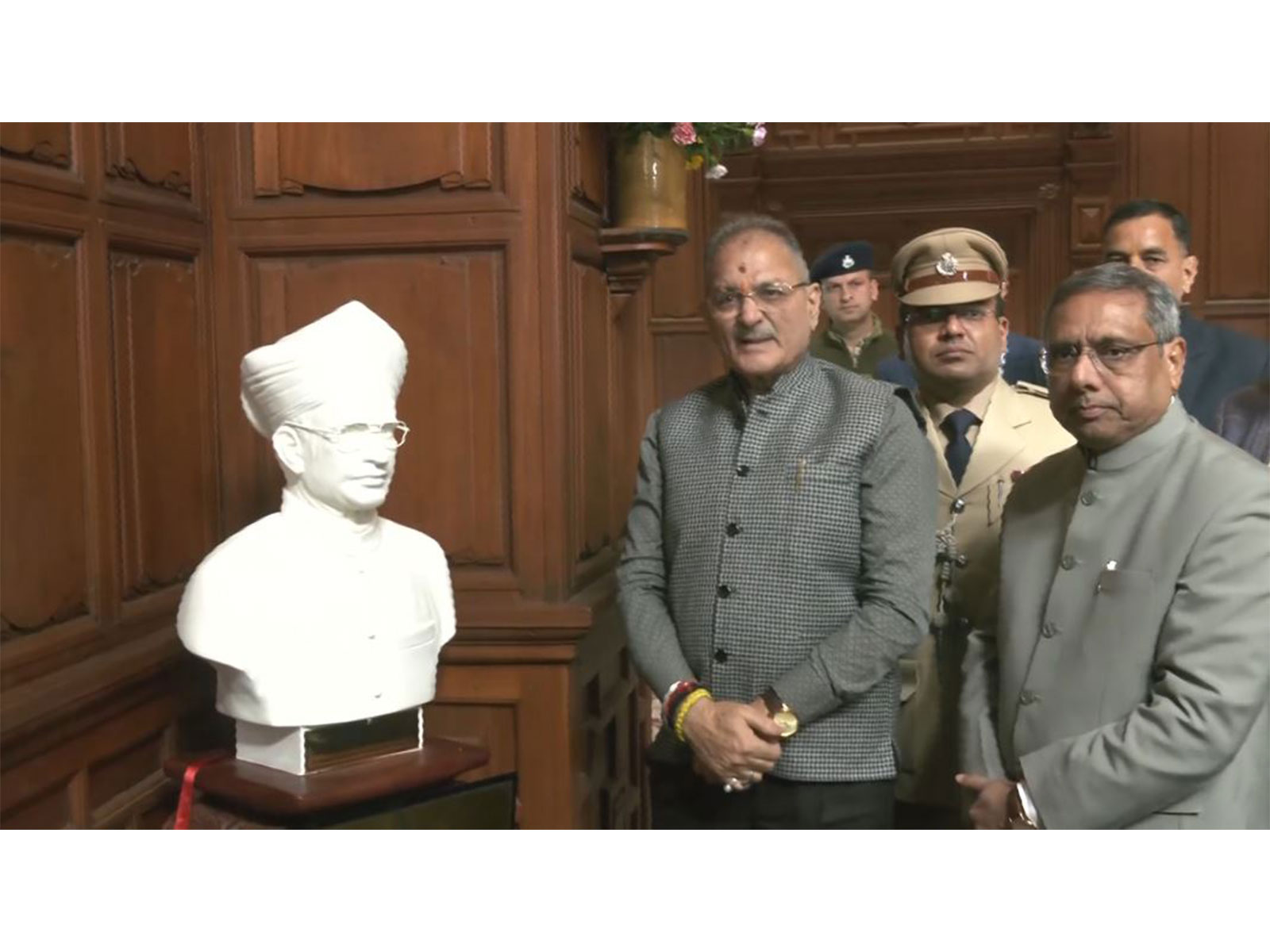
The Governor also unveiled a bust of Sarvepalli Radhakrishnan, the founder of the Institute, and released a book titled Folk and Rural Imagery in Kangra Miniatures: An Indigenous Indian Art Perspective on the concluding day of the Institute’s Diamond Jubilee celebrations.
Addressing the gathering, Gupta said Kangra painting symbolised India’s civilisation and culture. He highlighted the cultural similarities shared by the Himalayan regions of Jammu and Kashmir, Himachal Pradesh and Uttarakhand, noting that these traditions were reflected in the region’s paintings.
The Governor expressed confidence that the newly established gallery would help visitors from India and abroad understand the artistic traditions and cultural heritage of the Himalayan region. He also stressed the importance of preserving traditional art forms and acknowledged the efforts of artists working to keep these traditions alive.
Titled Kangra Kalam: The Pahari Miniature Art Gallery, the permanent gallery is located in Room No. 8 of the Institute’s main building. It aims to showcase Kangra miniature paintings beyond their familiar depictions of royal courts and religious narratives, with a focus on rural life, folk traditions and the everyday experiences of Pahari communities.
The gallery features themes such as farming, folk music, traditional customs, the life of the Gaddi community, food preparation and processions of local deities. Through these subjects, the initiative seeks to highlight the relationship between art, nature and everyday life in the Himalayan region.
The initiative is also linked to a five-day miniature painting workshop organised at the Institute in June 2026, during which traditional artists and their disciples worked using natural colours, traditional tools and established painting techniques. The workshop followed the Guru–Shishya Parampara, or teacher–disciple tradition, facilitating the sharing of artistic skills and traditional knowledge.
The book released at the event, authored by Prof Himanshu Kumar Chaturvedi and Dr Pankaj Gupta, explores Pahari folk life, rural settings and local cultural experiences through Kangra miniature paintings. It seeks to document traditional artistic practices and make them accessible to wider academic and cultural audiences.
As part of the Diamond Jubilee celebrations, IIAS employees also presented a cultural programme featuring music, dance, poetry and folk performances showcasing traditions from Himachal Pradesh and Rajasthan.
The programme included a dance based on Ram Stuti by Rajni, solo singing performances by Anuradha Raturi and Swastik Verma, a solo dance by Som Prakash Thakur, and a poetry recital by Ojasvi. A Rajasthani group folk dance and a Pahari dance were among the other performances.
The celebrations also featured the art exhibition Bharatiya Forms, Expressions and Consciousness, showcasing works by artist Nisha Jaiswal, and a book fair featuring publications from national and international publishers. The exhibition was held at the Rabindranath Tagore Art Gallery from October 11 to 15.
The Diamond Jubilee celebrations, held from October 11 to 15, highlighted the Institute’s academic activities alongside art, literature, cultural traditions and indigenous knowledge systems. The inauguration of the permanent gallery and the release of the book marked the Institute’s efforts to document, preserve and promote India’s artistic heritage. (ANI)
Related reading