Gandhinagar (Gujarat) [India], June 12 (ANI): Gujarat has recorded significant progress in the rural development sector over the past 12 years. Under the leadership of Prime Minister Narendra Modi, and with the guidance of Chief Minister Bhupendra Patel and Rural Development Minister Kunvarji Bavaliya, the state’s villages are undergoing a transformative journey.
According to the Gujarat Chief Minister’s Office (CMO), release, the effective implementation of welfare schemes such as the Mahatma Gandhi National Rural Employment Guarantee Scheme (MGNREGS), Pradhan Mantri Awas Yojana (Gramin), Swachh Bharat Mission (Gramin), PM-JANMAN, Watershed Development, and various initiatives of Gujarat Livelihood Promotion Company Limited (GLPC), fresh momentum is being provided to the rural economy.
MGNREGS has emerged as a boon for livelihood security in Gujarat’s rural areas. Through this scheme, more than 4,557 lakh person-days of employment have been generated in the state over the past 12 years, with special priority given to Scheduled Castes, Scheduled Tribes, and women. Under the scheme, more than 19 lakh labour-intensive works related to water conservation, agricultural land development, plantation, and livestock-based activities have been undertaken.
In line with the digital governance vision of the Central and State Governments, the Aadhaar-Based Payment System (ABPS) and Direct Benefit Transfer (DBT) have been implemented to ensure transparency in MGNREGS.
Furthermore, the use of modern technologies such as the National Mobile Monitoring App, drone inspections, geotagging, and geofencing has enhanced the quality of works and prevented duplication.
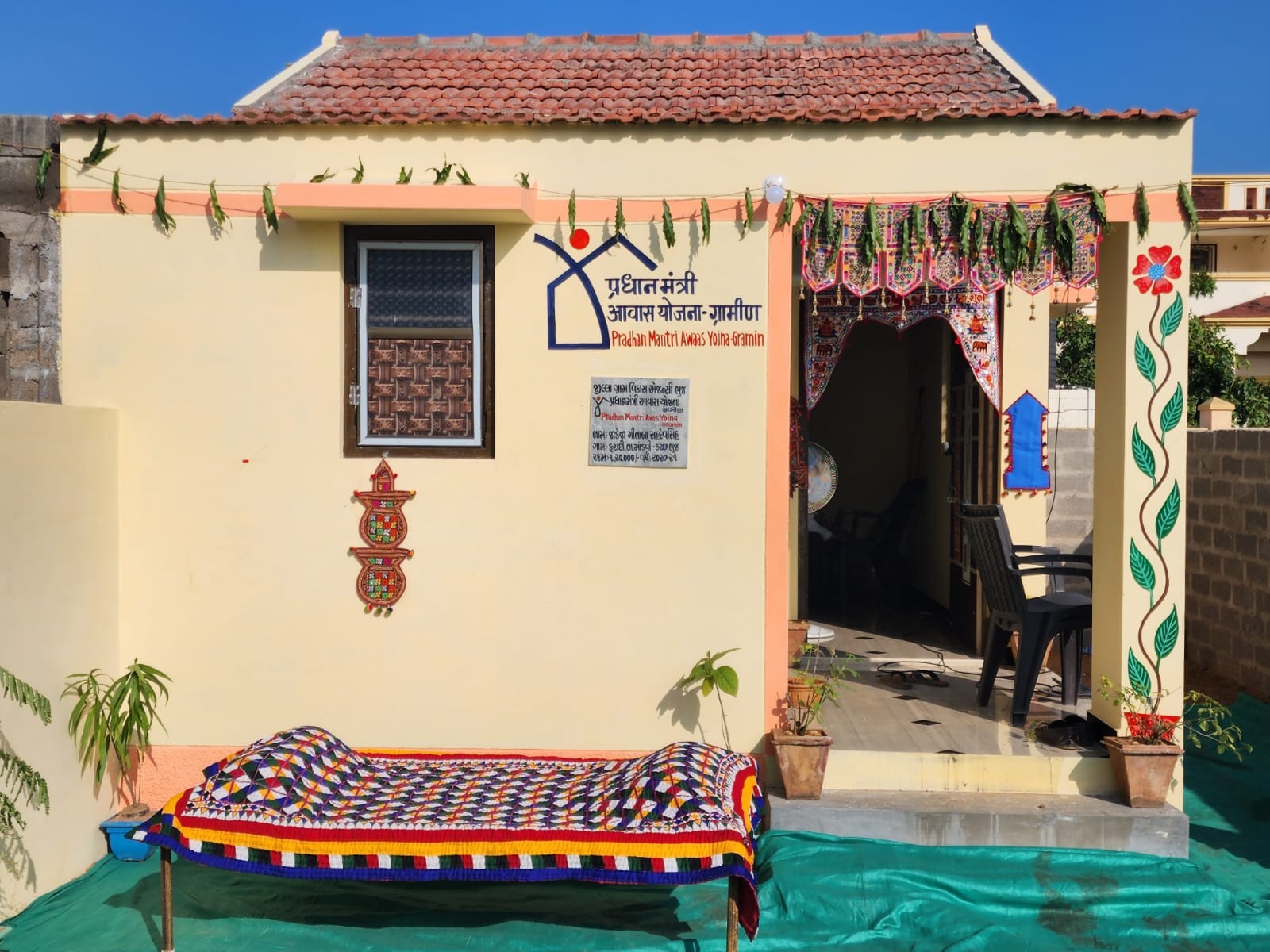
The release stated that under the Pradhan Mantri Awas Yojana (Gramin), implemented since 2016 to provide dignified housing to poor rural families, more than 8.29 lakh houses have been sanctioned up to 2026-27. Of these, more than 6.99 lakh houses have been completed as of 30 April 2026, while over 1.38 lakh houses are under construction. The Central and State Governments have incurred an expenditure of more than ₹9,213 crore for this initiative.
Under this scheme, funded in a 60:40 ratio by the Central and State Governments, beneficiaries receive regular assistance of Rs 1.20 lakh. However, under the sensitive and people-centric approach of Chief Minister Bhupendra Patel, an additional assistance of Rs 50,000 at the roof-casting level has been announced under the 100 percent State share from the financial year 2025-26, increasing the total assistance to Rs 1.70 lakh. In addition, beneficiaries receive Rs 25,920 as wages for 90 days of labour under MGNREGS and Rs 12,000 for toilet construction. Those who complete their houses on time are provided an additional incentive of ₹20,000 under the ‘Mukhyamantri Protsahak Yojana’, while women beneficiaries receive Rs 5,000 assistance for bathroom construction.
Under the Pradhan Mantri Janjati Adivasi Nyaya Maha Abhiyan (PM-JANMAN), launched in 2023, 9,151 pucca houses have been completed at a cost exceeding Rs 226 crore for families belonging to Particularly Vulnerable Tribal Groups (PVTGs) such as Kathodi, Kotwalia, Padhar, Siddi, and Kolgha communities in the state. Under this scheme, beneficiaries receive direct financial assistance of Rs 2 lakh in their bank accounts.
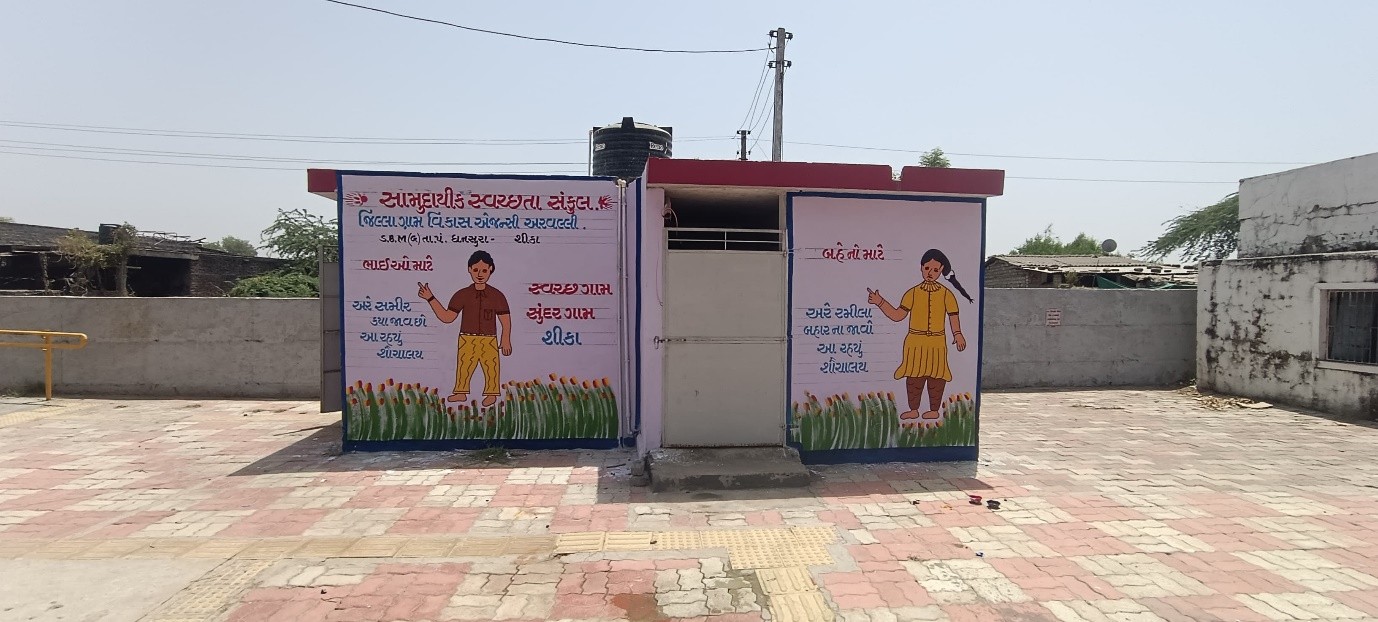
Gujarat has maintained a leading position in the country in the field of rural sanitation and health security. Over the past 12 years, against a provision of ₹7,162.37 crore under this mission, an expenditure of Rs 5,994.54 crore has been incurred. Following the declaration of the nation as Open Defecation Free (ODF) on 2 October 2019, emphasis is now being placed on developing ‘ODF Plus Model’ villages under Phase II. So far, more than 44.82 lakh individual household toilets have been constructed in the state.
Additionally, for the scientific management of solid and liquid waste at the rural level, 1.74 lakh community soak pits, 56,369 community compost pits, and 13,575 segregation sheds have been established. Under the ‘Waste to Wealth’ approach, 38 cluster-based biogas plants across 33 districts and 14,000 individual biogas plants have been established under the GOBARdhan scheme.
Under the Pradhan Mantri Krishi Sinchayee Yojana (Watershed Development Component), 1,36,589 works have been completed over the past 12 years at a cost of Rs 617.90 crore. The objective of this scheme is to maintain ecological balance in project areas through the management of natural resources such as land, water, vegetation, and land cover. Activities including water conservation, land development, and livelihood enhancement are undertaken under the scheme, resulting in improved living standards for rural communities. Water conservation structures such as check dams, ponds, causeways, and farm ponds are developed under the scheme, preventing rainwater runoff and facilitating its storage. Increased groundwater recharge leads to higher groundwater levels and improved water availability in wells and borewells.
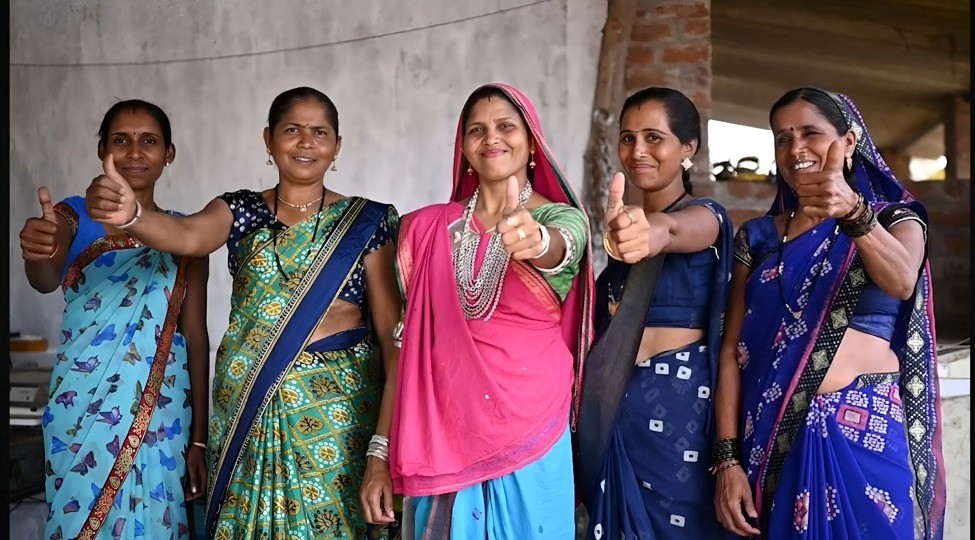
Gujarat Livelihood Promotion Company Ltd. (GLPC) has emerged as an effective platform for making the state’s women self-reliant. Under DAY-NRLM, 2.82 lakh Self-Help Groups (SHGs) have been formed by mobilising 26.25 lakh rural women across 248 talukas of the state. These groups have been financially strengthened through revolving funds, community investment funds, and bank linkage support exceeding Rs 5,600 crore.
Furthermore, under the Prime Minister’s ‘Lakhpati Didi’ campaign, more than 6 lakh women in Gujarat have become financially self-reliant. Products manufactured by members of Sakhi Mandals are being provided market access through regional fairs, SARAS Melas, and e-commerce platforms. In addition, ‘Mangalam Canteens’ operating at more than 300 centres are providing a steady source of income to women. (ANI)
Related reading